MMXX draws the reader into the world of Cameron Bruhn as he reflects on the landscape of Australian architecture of 2000 to 2019.
June 17th, 2021
One of the delights to lift the clouds during last year was the publication of a new book from Cameron Bruhn entitled MMXX (Roman numerals for 2020). The book is big, bold and beautiful with full-page glossy images, plans and large-font text.
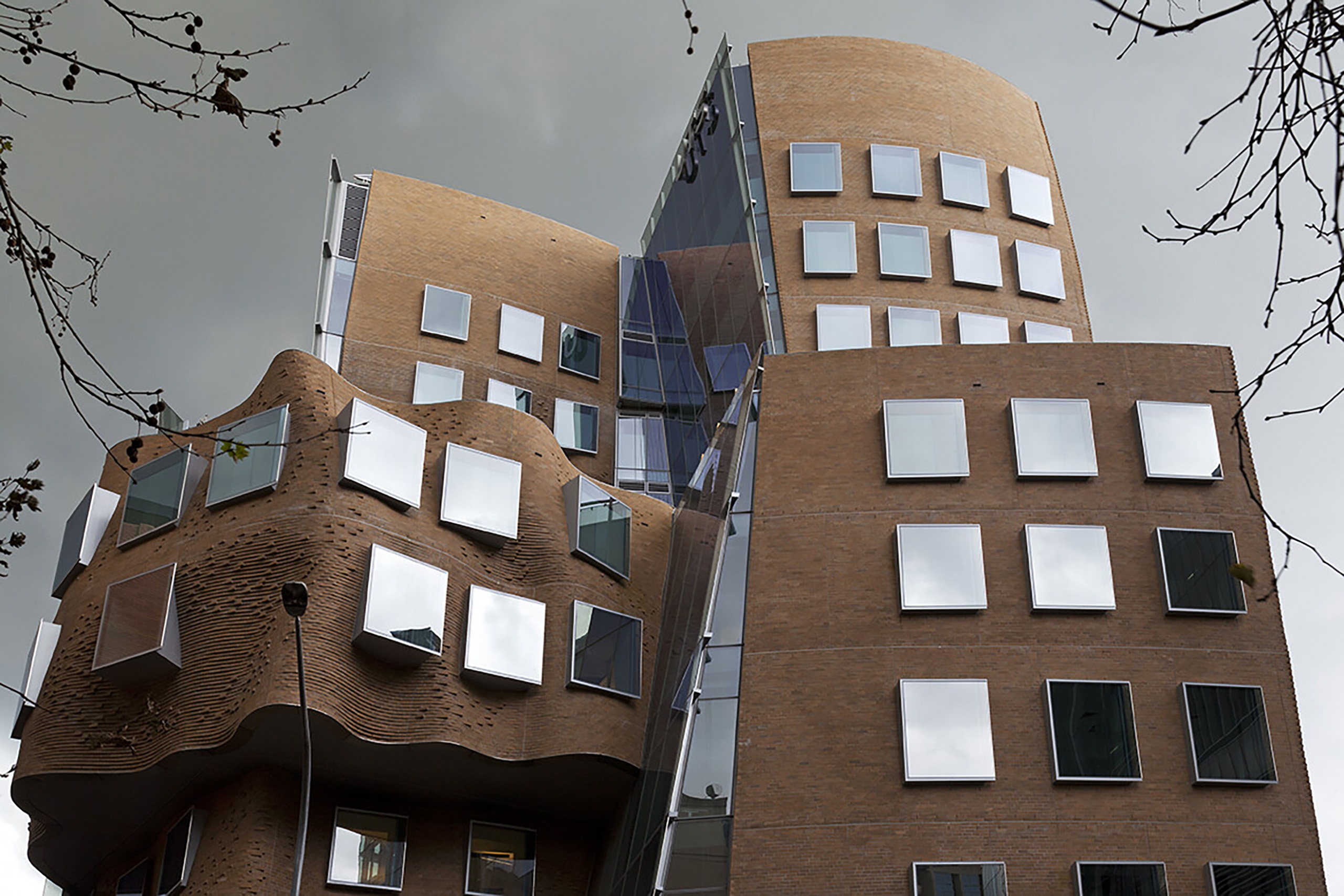
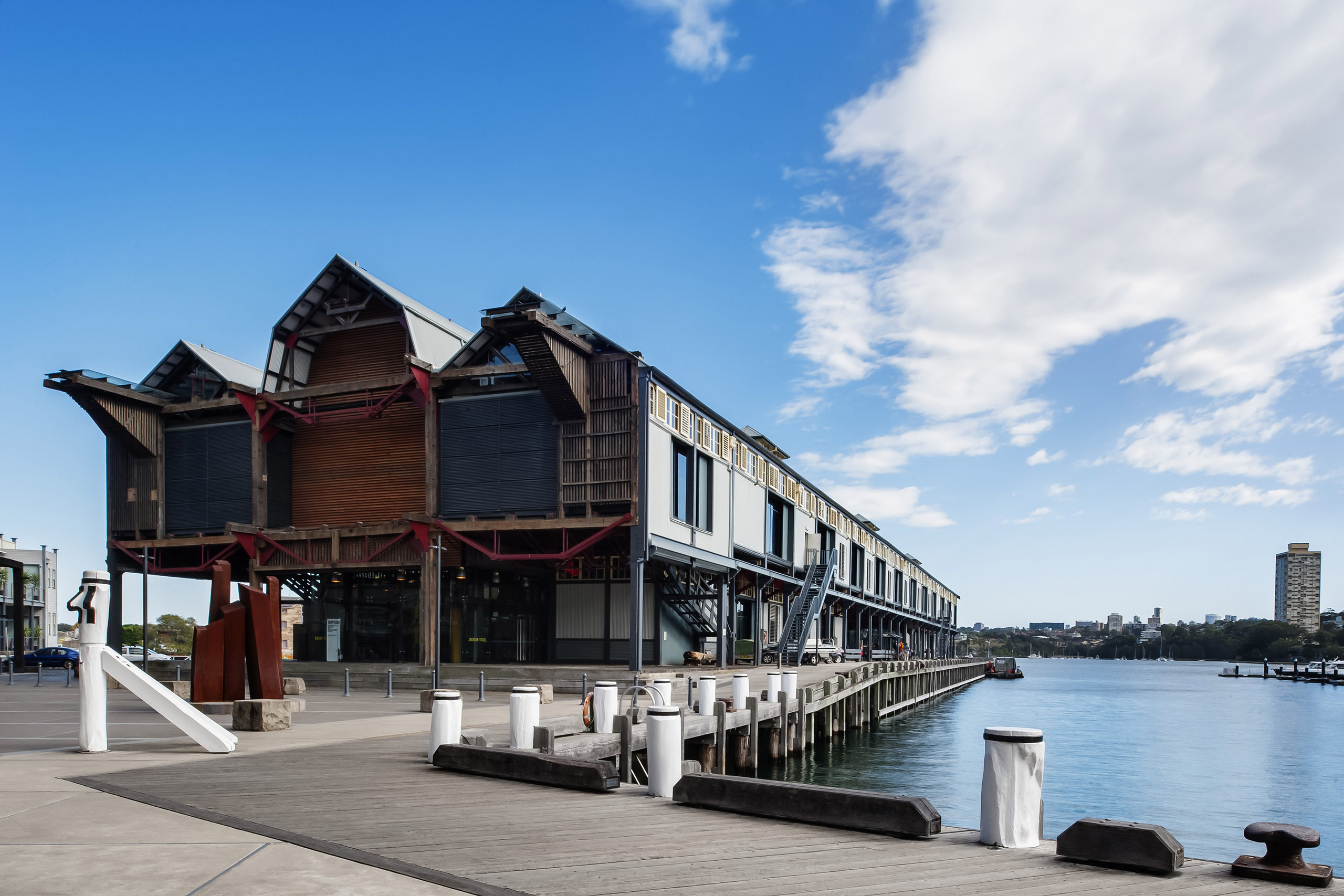
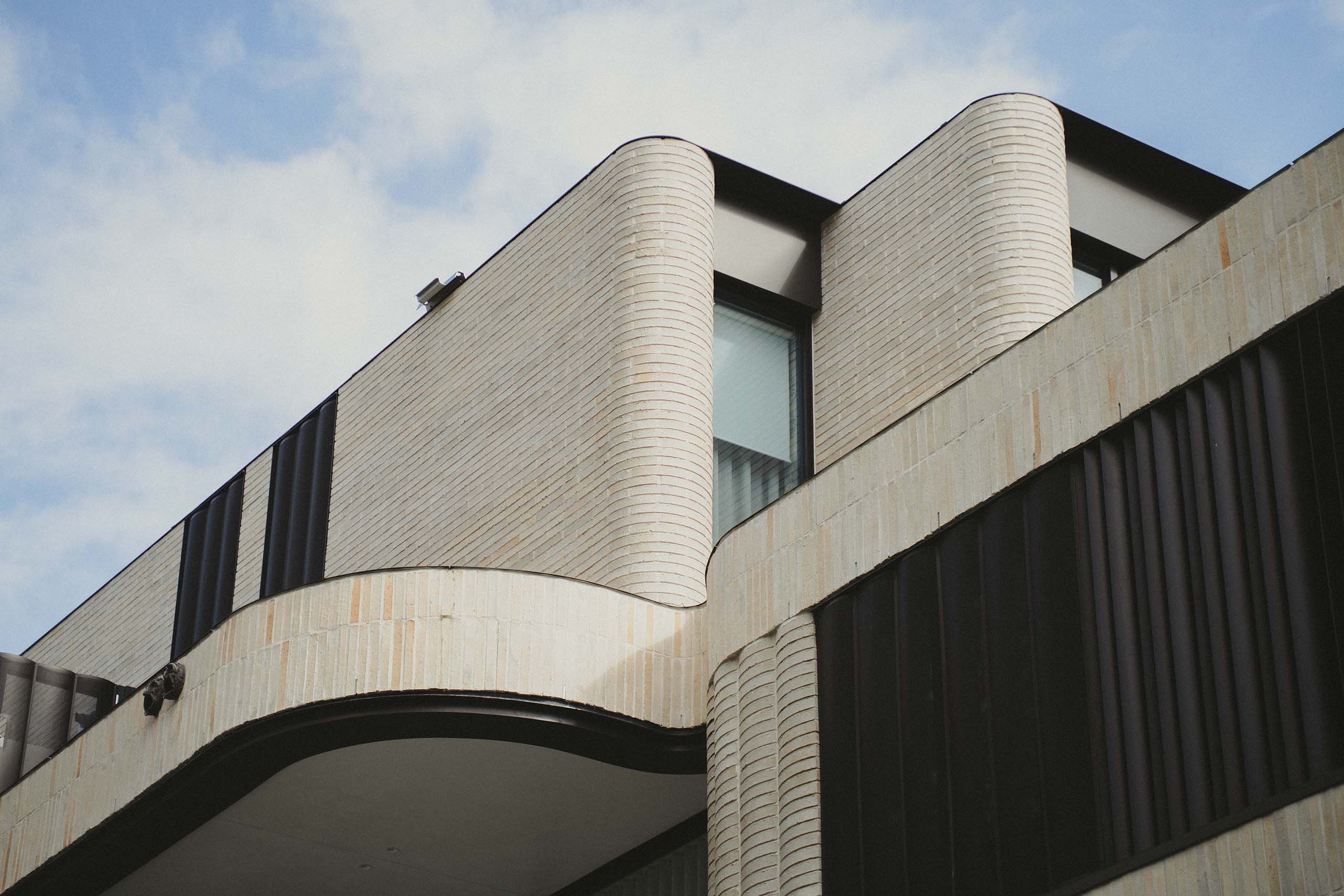
With a foreword from Professor Leon van Schaik and 10 essays by prominent practitioners, academics and curators, it’s then on to the almost 60 projects from Australian architectural practices from 2000 to 2019. Here we have the chance to explore some of Australia’s most interesting buildings of this time and discover the breadth of talent that is our national architectural community.

Yagan Square, Perth by Lyons with iredale pedersen hook architects and ASPECT Studios. Photo by Dianna Snape.
The size of the book is near A3 and so it will take up the lion’s share of the coffee table top but MMXX draws the reader into the ‘world of Bruhn’ as we enjoy his reflections of architecture over this two-decade span. Is it definitive? Almost, and it’s a wonderful place to view a slice of what Australian architecture is all about in all its various manifestations.
There is also an injection of humour to the layout of the projects; little facts that make one pause and ponder. Each project has been given a number; whether that is the number of shearers on a property – one (Deep Water Woolshed); the number of residents of a building – 138 (Casba) or the number of babies born – 1544 (Bendigo Hospital) and so on. These add lightness to the text and establish a human connection to each of the projects by delving into how people actually use, reside in and relate to the buildings they inhabit.
This is a wonderful book and Bruhn should be rightfully proud. The soft cover presentation is an eye catcher and the premise of the book engaging. However it is the images and words that draw the reader to explore and devour each page and then to savour what is uniquely our own, the powerhouse that is Australian architecture.
INDESIGN is on instagram
Follow @indesignlive
A searchable and comprehensive guide for specifying leading products and their suppliers
Keep up to date with the latest and greatest from our industry BFF's!
Natural stone shapes the interiors of Billyard Avenue, a luxury apartment development in Sydney’s Elizabeth Bay designed by architecture and design practice SJB. Here, a curated selection of stone from Anterior XL sets the backdrop for the project’s material language.
Stepping into Intuit’s Sydney workplace certainly doesn’t feel like walking into an office. Why? In this film, we discover that, when joy takes precedence as a design driver, even a high-performing commercial CBD headquarters can feel like an intuitive wonderland that invites employees to choose their own adventure.
In the last instalment of our three-part performance seating series, Alex Bain from Architectus explains why sitting well shouldn’t feel like sitting at all and explores an unexpected success metric of the hybrid workplace: the grounding power of emotional support.
The Geelong College’s Sport and Wellbeing Centre ‘Belerren’ designed by Wardle is designed around bringing in natural light. But Shade Factor’s job was to help modulate and precisely control it for the most important competitive moments.
Led by SJB, Newcastle Quay is imagined as a mixed-use waterfront precinct where housing, hospitality, public space and heritage work together to reconnect Newcastle with its harbour.
Architects Neil Durbach, Camilla Block and David Jaggers of Durbach Block Jaggers have been named as joint recipients of the Australian Institute of Architects (AIA) Gold Medal for 2026.
The internet never sleeps! Here's the stuff you might have missed
Curator, writer and educator Kate Goodwin was in town for Melbourne Design Week. Here, she reflects on how light-touch organising and designer-led spaces created some of the most impactful, distinctive exhibitions.
In the last instalment of our three-part performance seating series, Alex Bain from Architectus explains why sitting well shouldn’t feel like sitting at all and explores an unexpected success metric of the hybrid workplace: the grounding power of emotional support.