The home of architecture and design in the Asia-Pacific
Get the latest design news direct to your inbox!

Get the latest design news direct to your inbox!
Lightweight and shipped flat-packed, Zetraum’s new table Taut is a slot-together composition of nine parts that allows users to assemble it using a rubber mallet and a turning pin.

Founded in 1990, German furniture brand Zeitraum is known for simple yet sophisticated solid wood furniture crafted with precision using sustainable processes. ”
We consider it to be our responsibility to preserve traditional crafts in wood while relying on state-of-the-art technologies at the same time. This knowledge enables us to produce sensual furniture with a high level of practical value,” say Zeitraum founders Birgit Gämmerler and Peter Gaebelein.
Zetraum hit the ground running this year, starting with publishing its very first sustainability report at IMM Cologne, followed by launching a fantastic new collection at Salone del Mobile.
“We are constantly striving to increase quality and ensure that the CO2 balance of each piece of furniture is constantly optimised throughout the entire production chain,” say Gämmerler and Gaebelein.
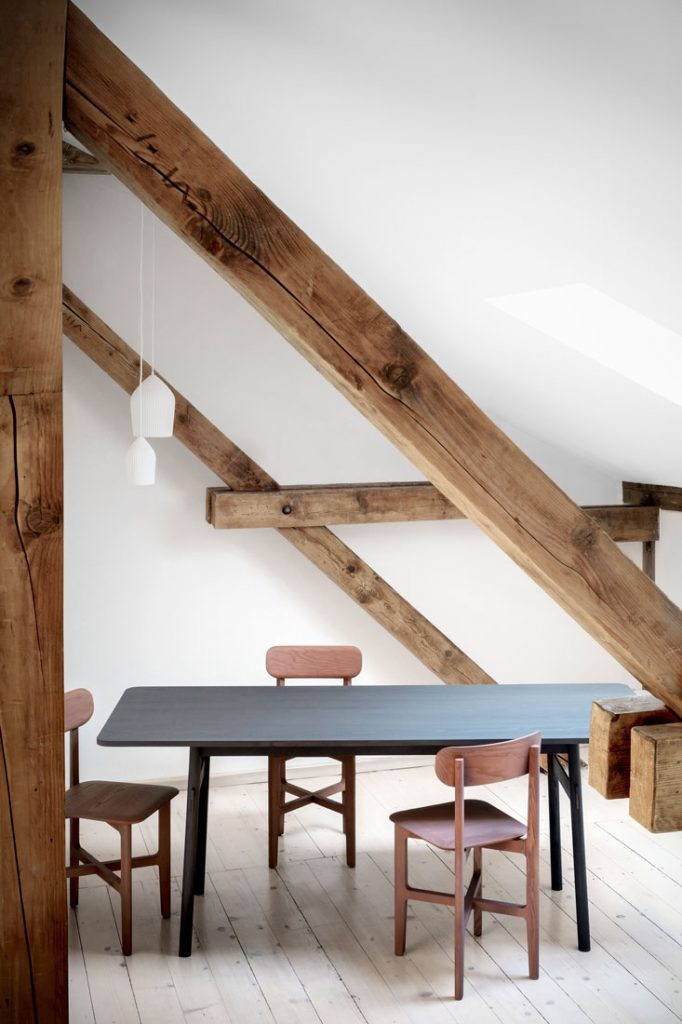
One of the standout pieces in the new 2019 collection is the Taut table by German designer and master carpenter Klemens Grund. A celebration of timber construction, Taut was named after the renowned architect, urban planner and author Bruno Taut, whose work was greatly influenced by Japanese minimalism.
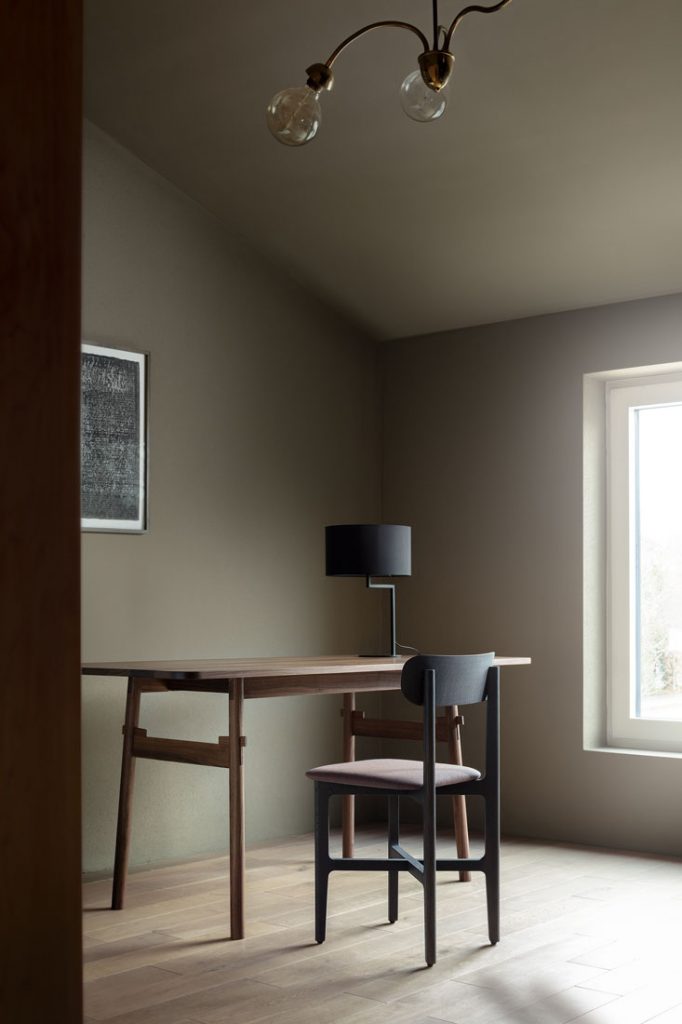
Taut is a lightweight, slot-together composition of nine parts that is shipped as a flat pack. Traditional connections like swallowtail and wedge joints allow the end-user to assemble the table using a rubber mallet and a turning pin.
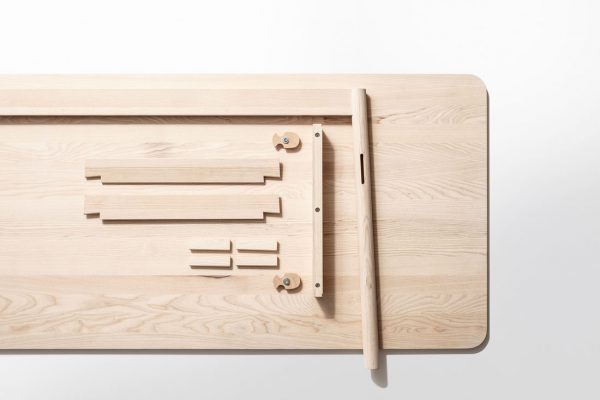
Grund’s objective was to create a lightweight, well crafted and demountable table that is suitable for a variety of life situations.
Taut’s formal clarity and the expression of its joints help to demystify its construction, while its amenity is maximised by its light weight; the tabletop is particularly thin at just 20 millimetres.
Taut is produced in two tabletop lengths: 160 and 190 centimetres. It is available in a variety of solid woods, including ash, oak, knotty oak, stained oak, American cherry and American walnut. Other timber and sizes are available by custom order.
In Hong Kong, Zeitraum is available from Ladeux.
INDESIGN is on instagram
Follow @indesignlive
A searchable and comprehensive guide for specifying leading products and their suppliers
Keep up to date with the latest and greatest from our industry BFF's!
The internet never sleeps! Here's the stuff you might have missed