The home of architecture and design in the Asia-Pacific
Get the latest design news direct to your inbox!

Get the latest design news direct to your inbox!
Taiwan’s Golden Pin Concept Design Award makes an international call for entries with a theme focused on the philosophies and ideologies of the huaren movement.

June 11th, 2015
Top: New Taiwan Bench: Raving about Landscape by Chia Wei Kuo. Image courtesy of Taiwan Design Center
The Golden Pin Concept Design Award, previously known as Taiwan International Design Competition, has been recognising innovative design concepts since 2002, offering a total of NT$1 million (approx. US$33,000) in cash prizes to winning entries.
Open to students, design professionals and corporations, the 2015 award is open to international participants for the first time. Centered on huaren ideology and philosophy, the theme for this year, Zhong guan, translates to ‘center’ or ‘middle’ and ‘to observe’ or ‘to watch’ respectively. When combined, the phrase refers to “mastery gained from the perspective of those at the center of things.” This is crafted by esteemed Taiwanese designer and Freeimage Design founder, Chen Jun-Liang, who was commissioned to task by award executive, the Taiwan Design Center.
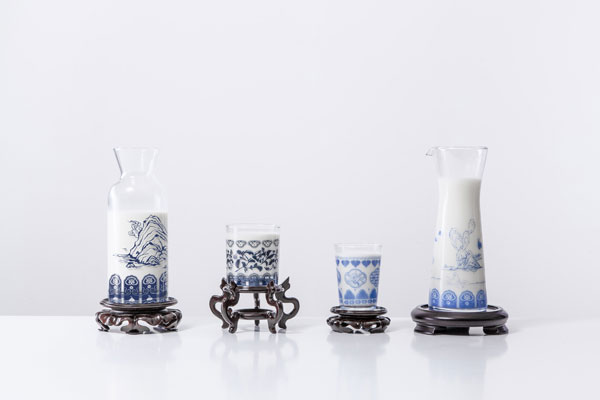
Making China by Kelly Lin, Ketty Shih and Alex Yeh. Image courtesy of Taiwan Design Center
“The Golden Pin Concept Design Award, along with its parent award, the Golden Pin Design Award, seeks to deepen awareness of and appreciation for design inspired by huaren ideology and philosophy. By bringing individuals from around the world together in the exploration of the role of huaren thought in the design of both products and projects, the Golden Pin Concept Design Award hopes to contribute to greater perspective, and ultimately, to raise the capacity of designers to incorporate these concepts into tomorrow’s most influential products and projects,” says Wenlong Chen, CEO of the Taiwan Design Center.
With no entry fee, the award accepts international product and project concepts across design disciplines – individual or group entries are accepted. Entrants are encouraged to consider the philosophies, ideologies, principles and values that attribute to the huaren culture or lifestyles in their concepts that must not be available in the market, nor may they be produced within the year of the award.
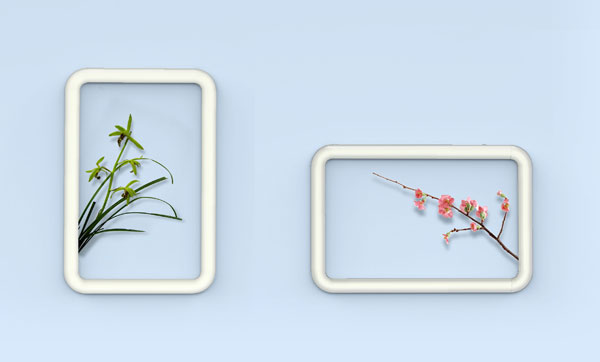
Frame Vase by Xiakai. Image courtesy of Taiwan Design Center
The entries will be assessed in two stages. Award winners will receive one of 13 cash prizes at a ceremony held in Taipei in November: three Best Design of the Year Awards, each worth NT$300,000 (approx. US$9,800); and ten Golden Pin Concept Design Awards, each worth NT$10,000 (approx. US$330). All winners will receive additional promotional benefits offered by the Golden Pin Concept Design Award team.
To enter, visit here and submit before July 31, 2015.
INDESIGN is on instagram
Follow @indesignlive
A searchable and comprehensive guide for specifying leading products and their suppliers
Keep up to date with the latest and greatest from our industry BFF's!
The internet never sleeps! Here's the stuff you might have missed