The home of architecture and design in the Asia-Pacific
Get the latest design news direct to your inbox!

Get the latest design news direct to your inbox!
Get your work recognised – the Asia Pacific Interior Design Awards is now inviting interior designers from around the region to enter their best work.

July 16th, 2014
Top image: Hotel Space (2013 Gold winner) – Xi-an Westin Museum Hotel by Neri&Hu Design and Research Office

Installation & Exhibition Space (2013 Gold winner) – City Crossing by KLID
Now in its 22nd year, the Asia Pacific Interior Design Awards (APIDA) returns to give recogition to outstanding interiors and their designers across the Asia Pacific region.

Food Space (2013 Gold winner) – The Commune Social by Neri&Hu Design and Research Office
The awards is open to both professionals and students, and projects can be entered in a total of 10 categories covering a full-spectrum of spaces that facilitate our day-today living. They include: Shopping Space; Food Space; Work Space; Public Space; Installation & Exhibition Space; Living Space; Leisure & Entertainment Space; Hotel Space; Sample Space; and Student.

Leisure & Entertainment Space (2013 Gold winner) – Nanchang Insun International Cinema by One Plus Partnership Ltd
There are two rounds of judging, with the shortlist for the final round to be reviewed by an illustrious international jury panel which this year includes Johannes Torpe, Founder of Johannes Torpe Studio, Denmark; Iijima Naoki, President of Iijima Naoki Design Studio and President of Japan Commercial Environmental Design Association, Japan; and Kenneth Ko, Director and Chief Designer of Kenneth Ko Designs, Hong Kong, just to name a few.
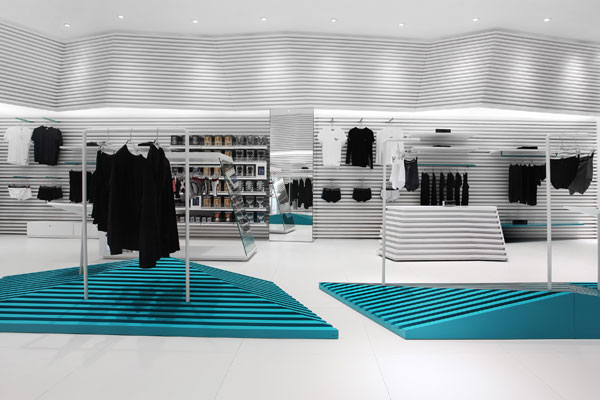
Shopping Space (2013 Gold winner) – Umix Top Underwear Multi-brand Store by AS Design Service Limited
Previous APIDA winners include well-known projects such as The Commune Social and the Nanchang Insun International Cinema.
Submission deadline is 22 August 2014. For more information, visit apida.hk
INDESIGN is on instagram
Follow @indesignlive
A searchable and comprehensive guide for specifying leading products and their suppliers
Keep up to date with the latest and greatest from our industry BFF's!
The internet never sleeps! Here's the stuff you might have missed