The home of architecture and design in the Asia-Pacific
Get the latest design news direct to your inbox!

Get the latest design news direct to your inbox!
Arup Hong Kong, the engineering giant behind numerous large infrastructural projects in the city including the Hong Kong-Shenzhen Western Corridor and the Hong Kong International Airport Passenger Terminal, is celebrating its 40th anniversary. Sylvia Chan speaks with Arup Director Wilfred Lau about the firm’s contribution to the city.
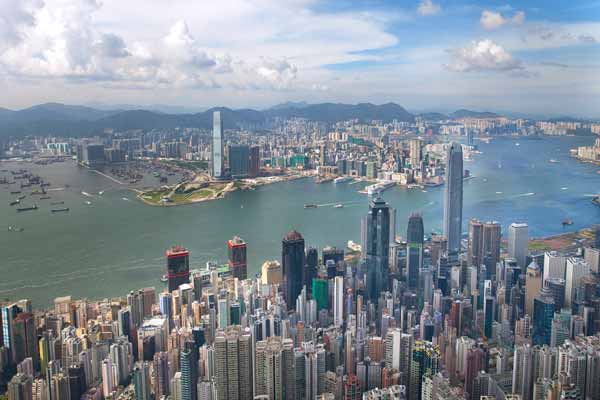
May 18th, 2016
Top image: Hong Kong Harbour
Images courtesy of Arup
Over the past 40 years, Arup Hong Kong has contributed to shaping the city’s urban fabric through projects of different types. These include the 484 metre-high International Commerce Centre, the tallest building in Hong Kong. The engineering firm also has a significant role in building the city’s sophisticated railway network, according to Wilfred Lau, Arup Director. “Our influence on the city’s urban fabric can be seen and felt everywhere,” he says.

Wilfred Lau, Arup Director
Apart from construction, Arup Hong Kong is also engaged in research projects. One of the topics of interest is the Smart Green Resilient framework that involves the planning of next-generation towns. “It stems from our participation in East Asia’s rapid urbanisation for over a decade,” says Lau. Arup Hong Kong observed that critical challenges in city environments were often dealt with in a piecemeal manner, while problems in cities should be considered in a holistic way. “By pushing for solutions that apply systems of thinking across multiple dimensions and at multiple levels, we hope to contribute to making our urban environments more vibrant, diverse and ultimately sustainable,” Lau continues.
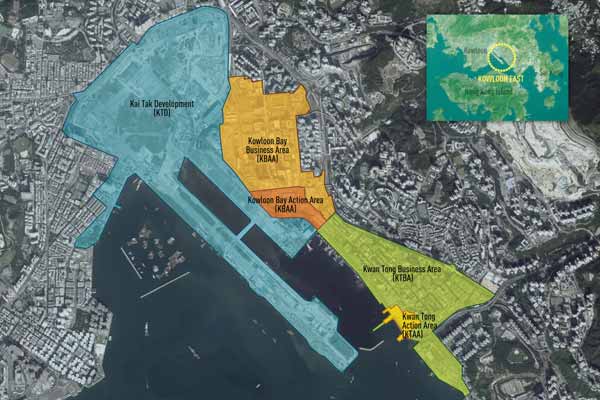
Kowloon East Smart City
Recently, the firm has been appointed to design Hong Kong’s first smart city at Kowloon East, formulating strategies and a business model that will transform the district into a new sustainable CBD. “The project will support economic growth and strengthen the city’s global competitiveness,” says Lau.
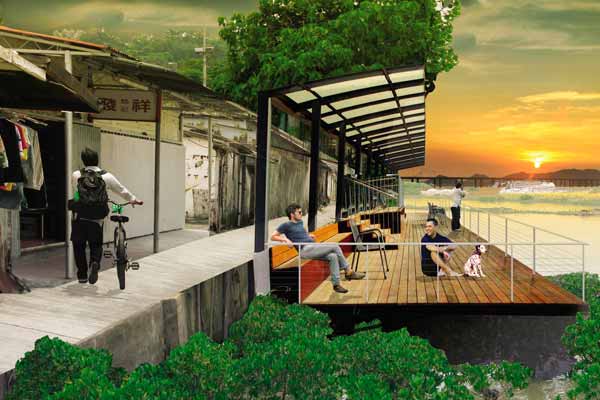
Lau Fau Shan Rural Township
Over the past two years, the firm has also been working with the Hong Kong government to examine the development potential of the Northern New Territories. In addition to identifying potential development zones and proposing land uses that will meet the long-term needs of the district, Arup Hong Kong is also defining the next generation of new towns through the project. Lau says, “We adopted a comprehensive approach based on our Smart Green Resilient planning concept.” The new towns will capitalise on infrastructural developments and make better use of the vast area in Northern New Territories to meet housing, social and economic needs. “They [the new towns] will also support preservation of natural resources with high ecological, landscape and environmental value,” says Lau.
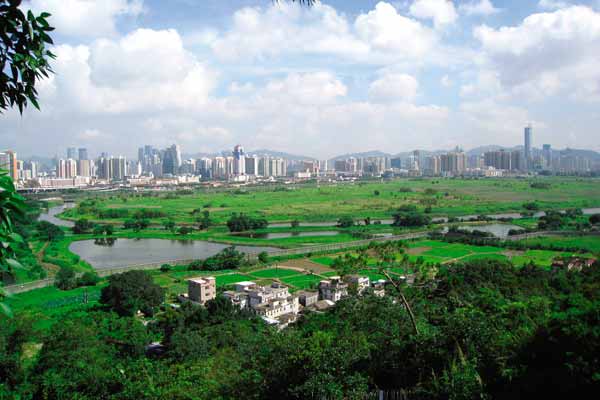
Lok Ma Chau Loop
Smart cities proposed by Arup Hong Kong do not only concern traditional infrastructural planning but also involve development concepts that will shape future lifestyle and management of cities. For example, digital infrastructure with integrated hardware and software will enable new forms of data processing and sharing, facilitating decision making about city development. A circular economy model for the construction industry will re-conceptualise how products and services are procured, designed, constructed and operated, encouraging recycling of resources. “This will shift the industry towards a more sustainable and resilient future,” Lau says. He adds that in a consultancy study about Hong Kong’s future waste infrastructure, Arup Hong Kong proposed strategies for the city’s waste treatment up to 2041 based on this vision.
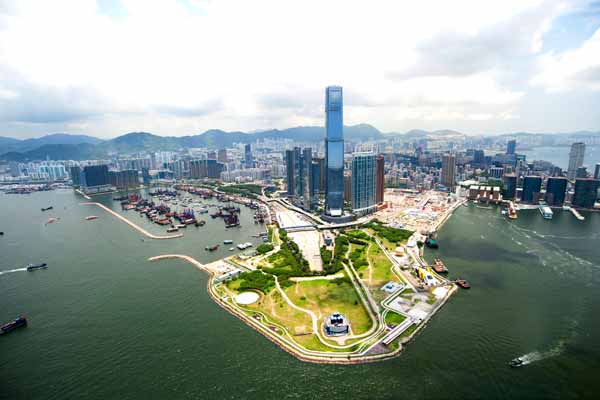
The Elements, The Cullinan, International Commerce Centre
Envisioning future cities, Lau anticipates that citizens will have a greater role to play in shaping the environment. “New technologies, and a growing public awareness of environmental issues and the value of built form, will provide city-dwellers with opportunities to increasingly contribute to city form,” Lau says.
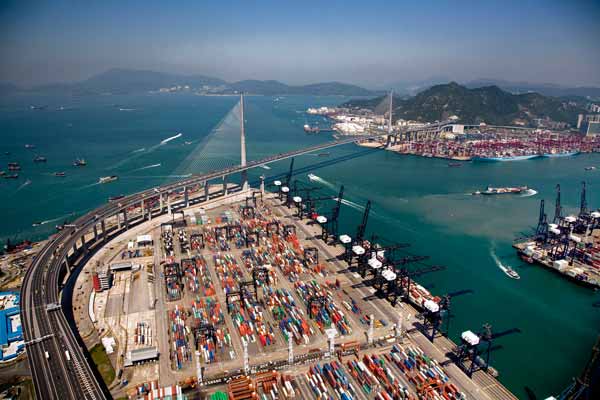
Stonecutters Bridge
He believes that for Hong Kong to remain competitive and maintain its world-class status, the city will need to ensure that its development is sustainable and resilient. He says Hong Kong will need to address several issues in particular, including future land use, spatial arrangement, and integration with the region. Effective and efficient smart infrastructural systems will also need to be developed.
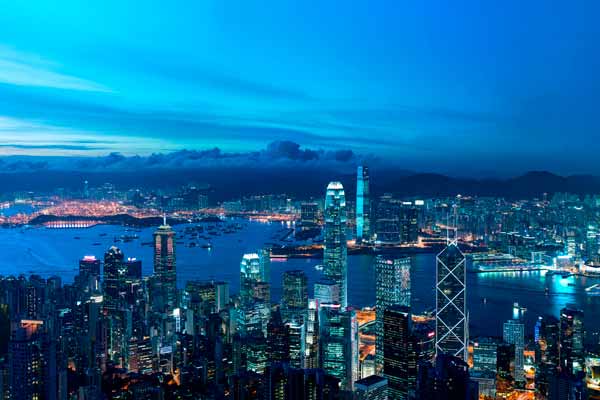
Victoria Harbour Skyline. Photo by Marcel Lam
Local talents are essential for Hong Kong’s future development. As part of Arup’s 40th anniversary, a mentorship programme was launched. Under this programme, 20 Arup engineers will serve as mentors to 20 high school students, exposing them to the planning and engineering profession. “Our past 40 years is a journey that we have shared with the local community. We will continue to shape a better future by assisting in the development of our future leaders,” Lau says.
Arup
arup.com
INDESIGN is on instagram
Follow @indesignlive
A searchable and comprehensive guide for specifying leading products and their suppliers
Keep up to date with the latest and greatest from our industry BFF's!
The internet never sleeps! Here's the stuff you might have missed