The home of architecture and design in the Asia-Pacific
Get the latest design news direct to your inbox!

Get the latest design news direct to your inbox!
Shaun Purcell, architect at Wilson Architects, looks at some key elements of a research-led design approach that can have significant positive impacts on a senior living environment.
August 19th, 2015
Universities, student housing and science research organisations have many things in common with the senior living sector, and share similar challenges. In these sectors, a research-led design approach that explores how the end user will use the space, and how the space will influence how they feel and behave, works particularly well. Many senior living providers are now applying this approach to their own facilities to provide a better standard of care and increase operational efficiencies. Here are some key elements of this approach that can have significant positive impacts on a senior living environment.
Designing a quality residential experience
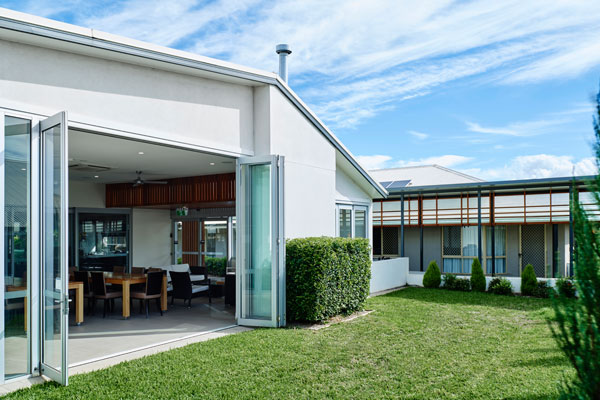
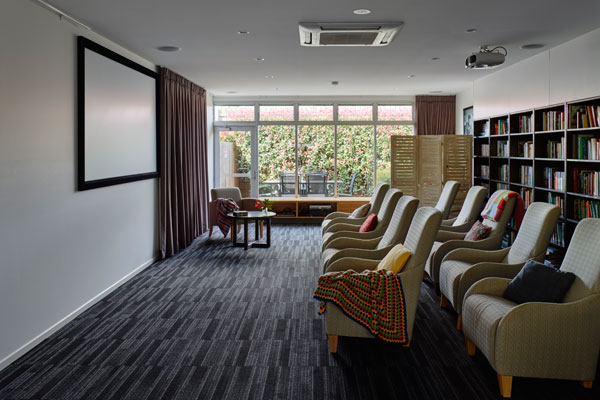
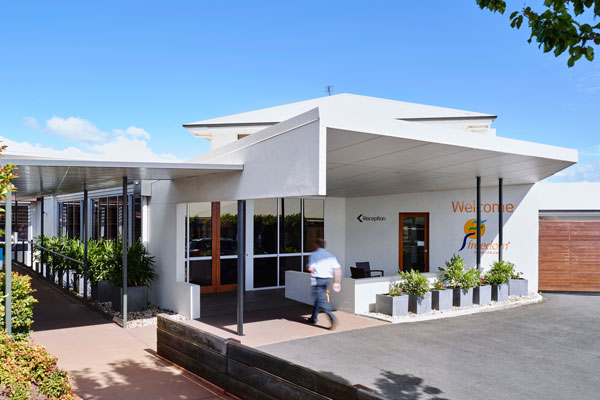
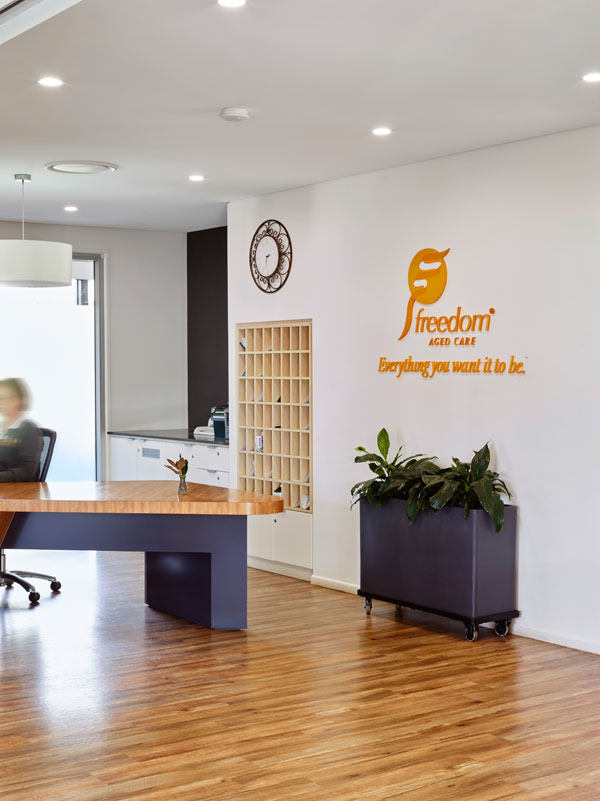
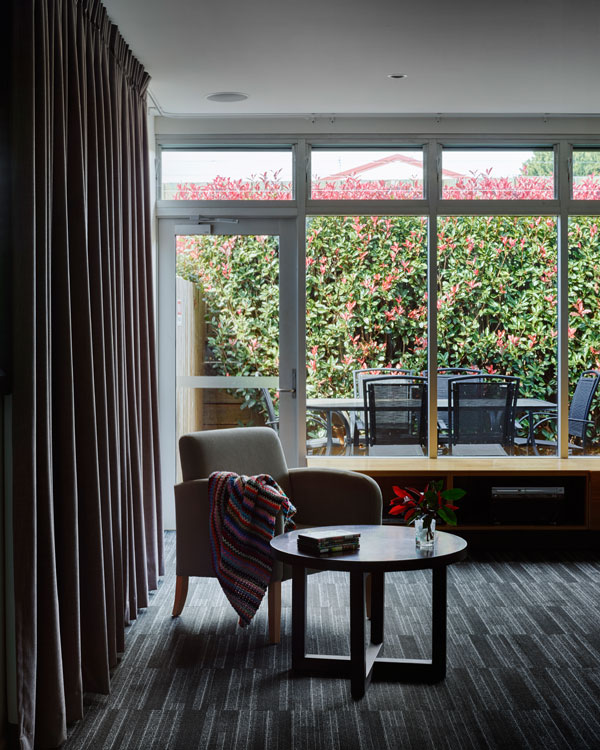
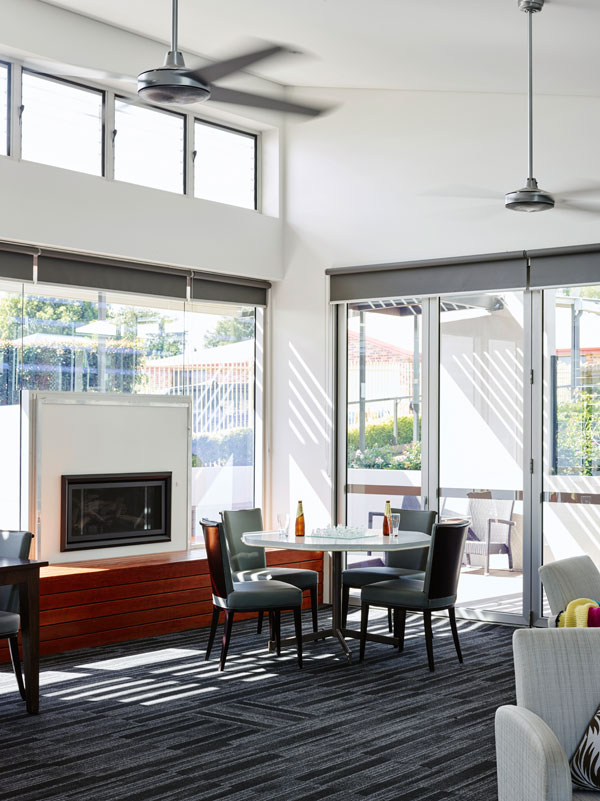
University student housing projects can provide insight into how to design quality, flexible housing that is cost effective and appealing. The refurbishment of the Freedom Aged Care village in Toowoomba puts residents at the centre of the design in the same way successful university accommodation projects do. It’s about liveability – about tailoring the facilities to the residents first so the perception is of home, and using design principles for higher-end residential architecture such as attention to detail and timeless, quality materials.
Putting technology in its place
Health care technology pervades all aspects of senior living care, and should be an enabler, not a driver of design. Around the clock care can now be embedded, unseen, in a friendly environment where nursing staff monitor each resident, with different levels of care supported seamlessly. Another strategy that can add years to the life of a senior living project is designing design to adapt to technologies that don’t exist yet in the way universities and science-based research laboratories do.
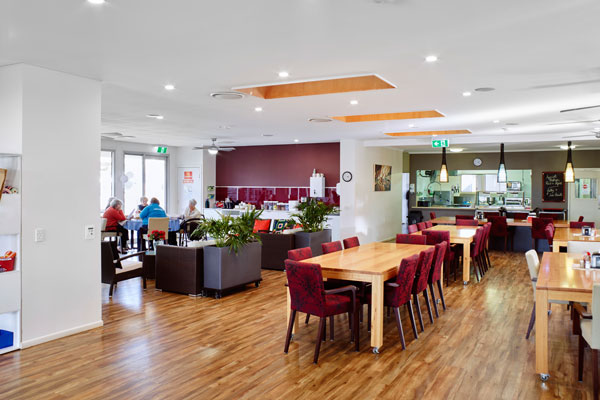
Building a strong community feel
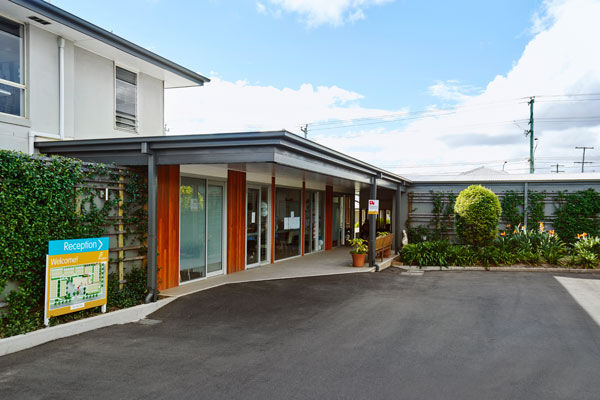
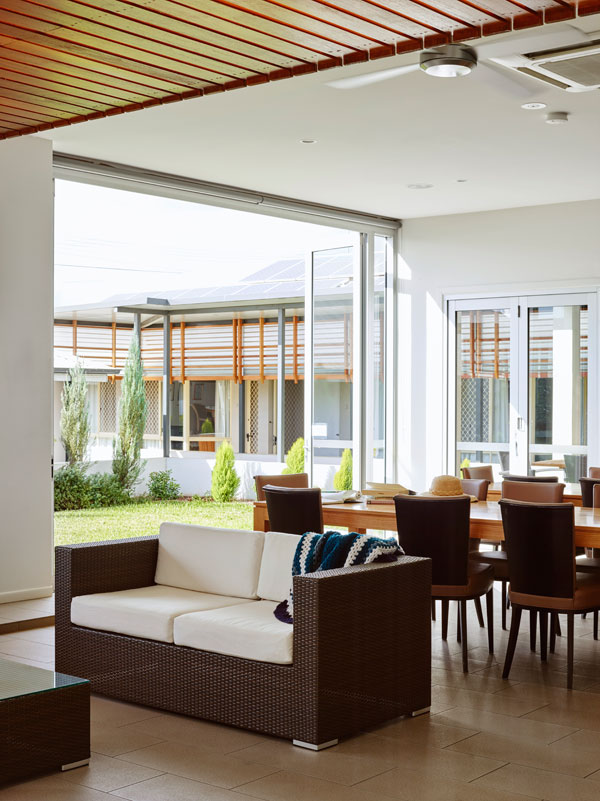
The latest research shows that both students and residents in senior living environments highly value a sense of community, and that it has a strong influence on quality of life and health outcomes. The Freedom village was re-designed into community-focused accommodation that encourages interaction, and feels welcoming for family and friends. Although all the apartments have kitchens, most residents prefer the camaraderie of the dining or activity rooms, or to meet friends at the bar and café. These areas are the heart of the space and integral to building a strong residential community feel where people feel truly at home.
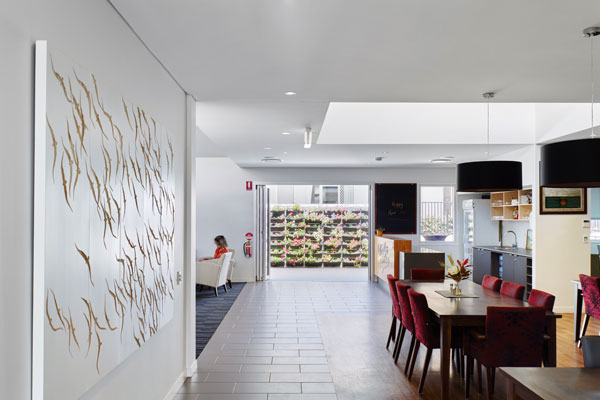
Taking landscape one step further
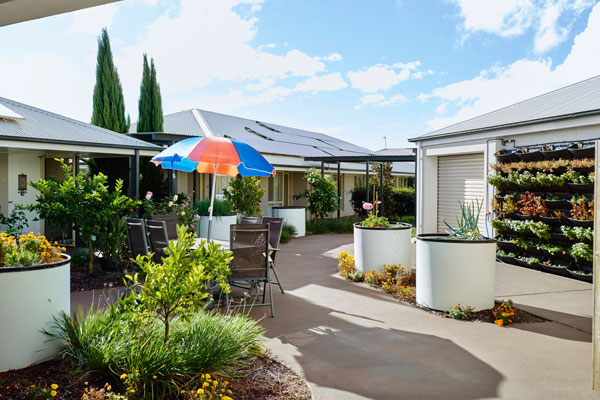
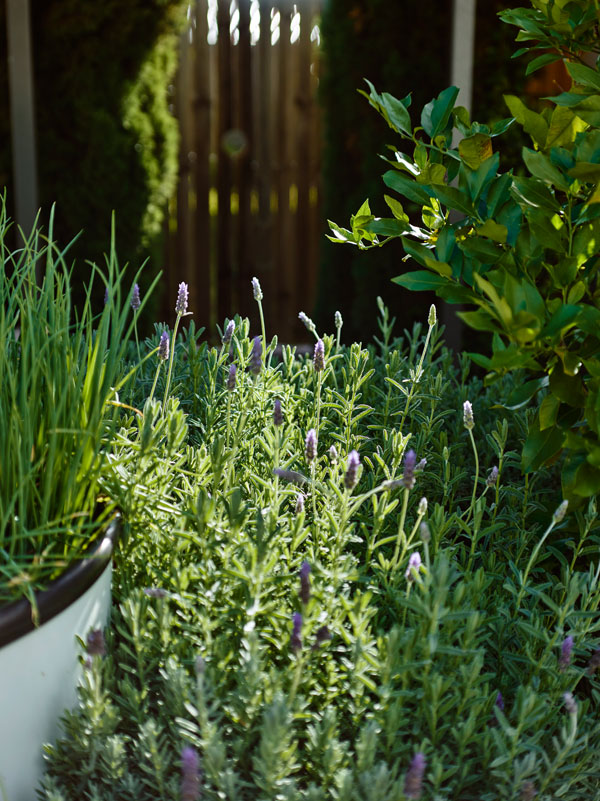
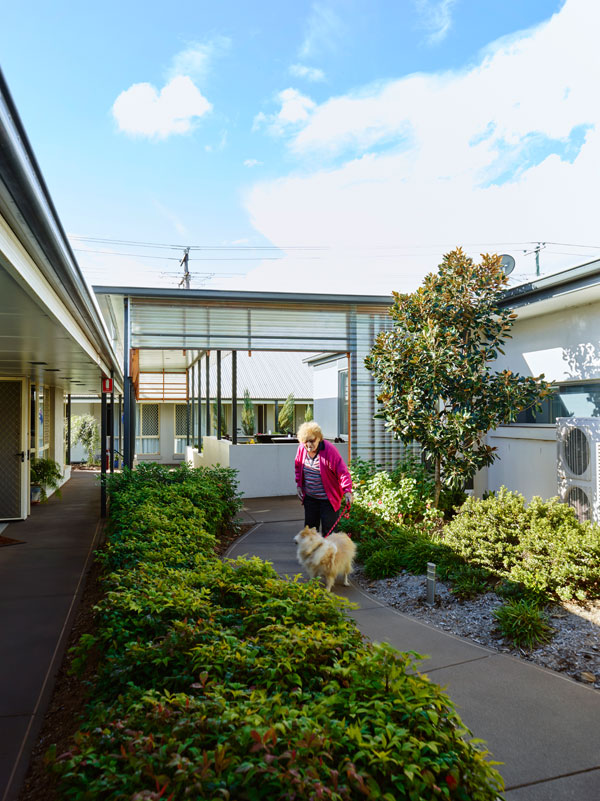
The benefits of therapeutic gardens in the senior living environment are well known and they have been in use for some time. In the Freedom Toowoomba village, landscape is taken a step further incorporating fish ponds, kitchen gardens, chook pens, aviaries and safe sensory landscapes to evoke memory and aid in wayfinding. Gardens bring joy, regulate the environment, and are a very cost effective response to the clinical nature of the traditional senior living environment, and a strategy often seen in health care, labs and schools.
Senior living environments that are designed to view residents as valued members of their community will increase in popularity and become the norm in the coming years. Research-led design for institutions is a practical approach to senior living design that can add value in this increasingly challenging market.
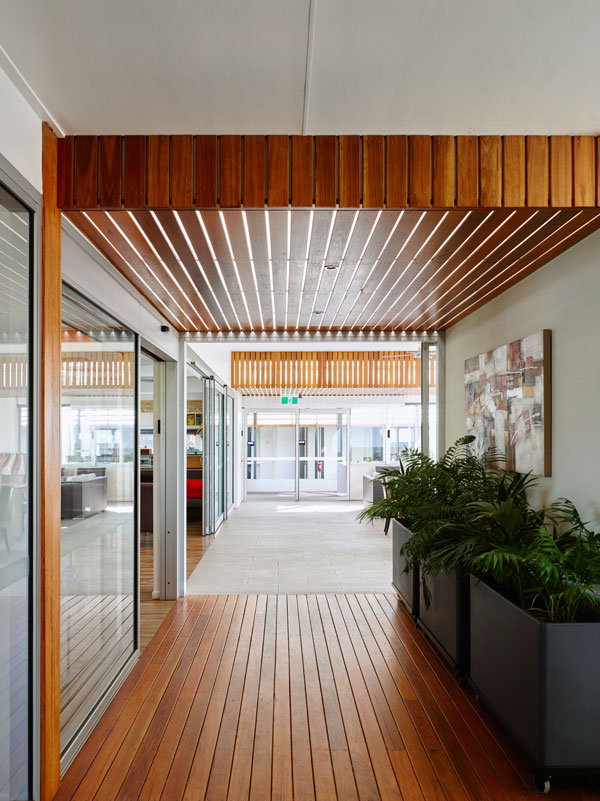
Photography by Toby Scott.
INDESIGN is on instagram
Follow @indesignlive
A searchable and comprehensive guide for specifying leading products and their suppliers
Keep up to date with the latest and greatest from our industry BFF's!
CIBO Design has recently launched a brand new website created with the design savvy market in mind. “Our new website provides enhanced access to CIBO product information, services and resources,” said Co-Founder and Designer, Darrin Ingleton, CIBO Design. “A clearer structure, simplified navigation, improved search functions and a stunning array of inspirational images make finding […]
The internet never sleeps! Here's the stuff you might have missed