The home of architecture and design in the Asia-Pacific
Get the latest design news direct to your inbox!

Get the latest design news direct to your inbox!
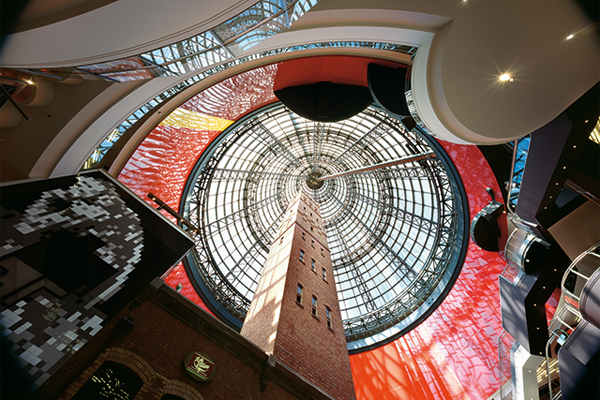
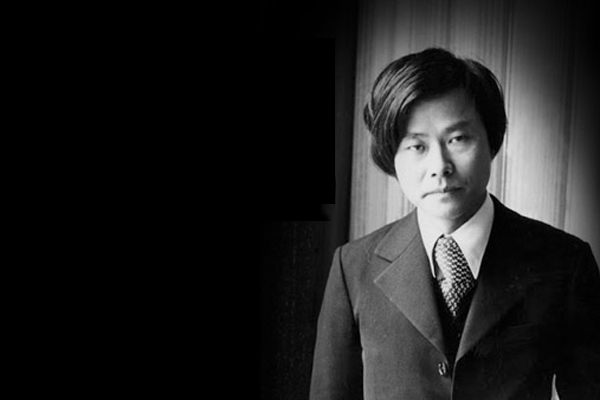
Melbourne Central owners announce significant prize for local creative talent in honour of international design great, Kisho Kurokawa who designed the centre in the 1980s.
October 1st, 2013
The initiative invites entrants to create concepts for an installation that will be displayed within the iconic CBD Centre. The Kisho Prize winner will be provided a budget of $30,000 for production and building costs, a respective prize of $10,000 and the personal accolade of becoming a part of Melbourne’s rich architectural design history.
In 2013, its inaugural year, The Kisho Prize has reached out to five early to mid-career creatives to develop and submit concepts for consideration. A panel of expert judges has selected Lucas Chirnside and Bianca Looney of SMLWRLD, Caleb Shea, Nathan Gray, Hamish Munro and Tai Snaith.
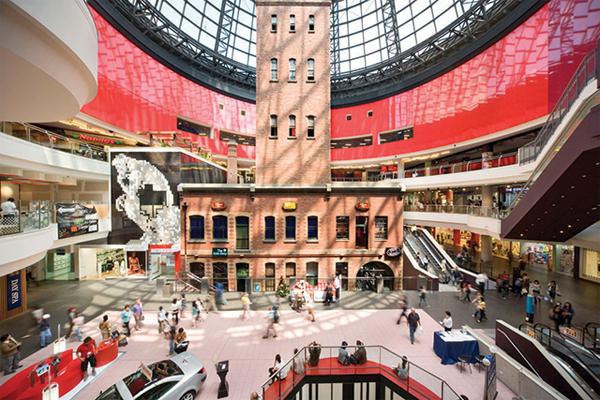
Led by mentors Melissa Loughnan of Utopian Slumps and respected industrial designer Jean‐Pierre Biasol, the five talents will have the next month to develop and deliver their design impressions before being brought forth for public vote through the Centre’s online channels. Artists are provided $1,000 for their costs and time throughout the initial design process.
“The artists involved are recognised for their unique design presence and ability to develop concepts that make a mark, provoke thought and inspire conversation. My role is simply to support the each artist’s creative vein, and in conjunction with Jean-Pierre, guide the winner from concept to installation, assisting the creation of Melbourne’s newest landmark,” said Loughnan.
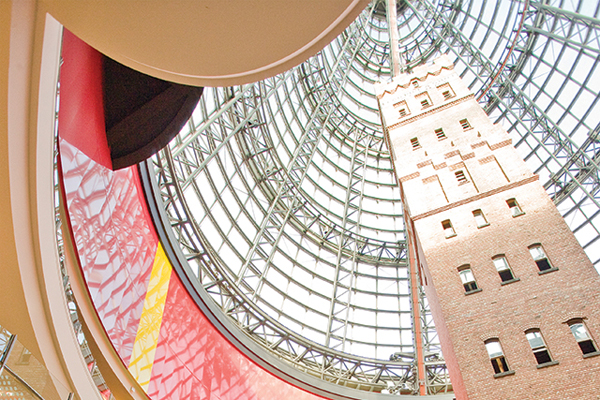
The Kisho Prize winner will be announced in November with final installation into Melbourne Central’s Lonsdale building that month. Taking its cues from the city’s iconic laneways and hidden cafes, Melbourne Central is a cultural hub spanning two blocks of the CBD that offers unique retail, dining and entertainment.
The Kisho Prize
Kisho Kurokawa
INDESIGN is on instagram
Follow @indesignlive
A searchable and comprehensive guide for specifying leading products and their suppliers
Keep up to date with the latest and greatest from our industry BFF's!
The internet never sleeps! Here's the stuff you might have missed