The home of architecture and design in the Asia-Pacific
Get the latest design news direct to your inbox!

Get the latest design news direct to your inbox!
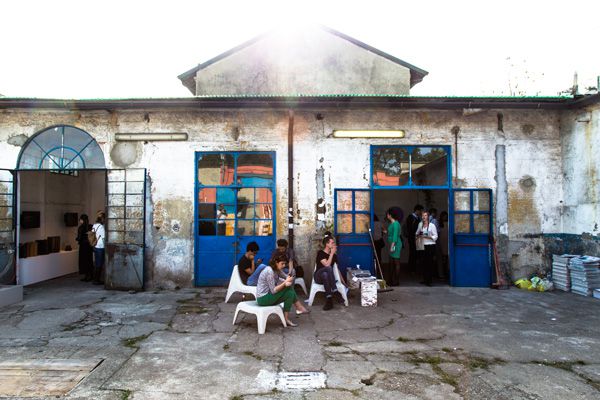
With design fairs proliferating across the world, and events competing for points of difference, the definition of design is broadening to include creative, clever content across disciplines. Ventura Lambrate, which coincides with the Milan Design Week, is at the crest of this wave.
April 30th, 2015
Above Photo: Marco Ranocchio
The general consensus among younger, more alternative visitors of the Milan Furniture Fair is that the Fiera is a corporate wasteland where creativity is cannibalised for profit, while the Fuori Salone champions young talent, fresh ideas, and responsible practices.
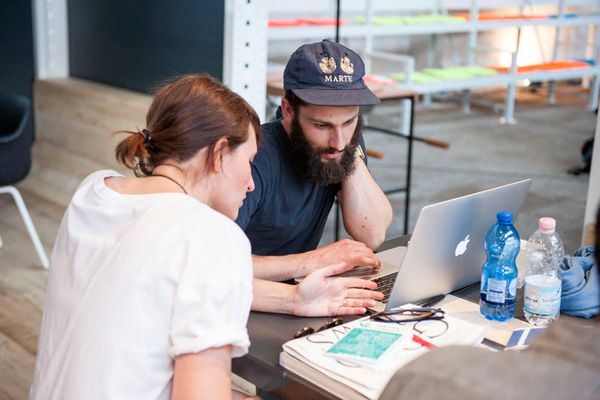
Photo: Marco Ranocchio
The reality, as per usual, is more complicated, however the polemic highlights the plurality of sentiment and purpose amongst both exhibitors and audiences. And, whichever side of the battle-lines we may fall on, a holistic vision is that a successful, worthwhile design fair needs to marry the reality of economic viability with the whimsy of conceptual exploration.
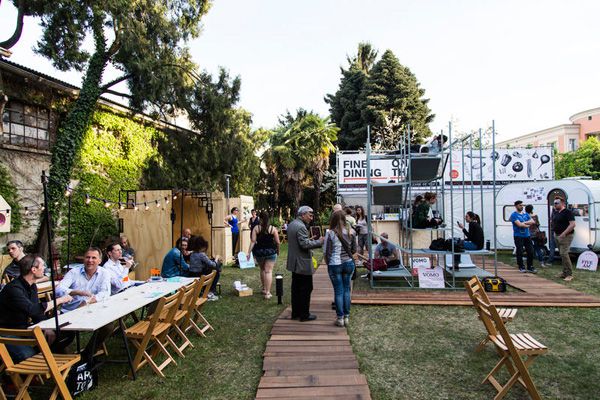
Photo: Marco Ranocchio
As such Ventura Lambrate, the only curated – and largest – component of the Fuori Salone, plays a vital role in the health of the design week overall by creating a veritable carnival of audacious ideas. Whilst the guiding theme of the event changes yearly (in 2015 it was ‘Unite & Connect’), the central ethos of finding and bringing together emerging designers remains unchanged.
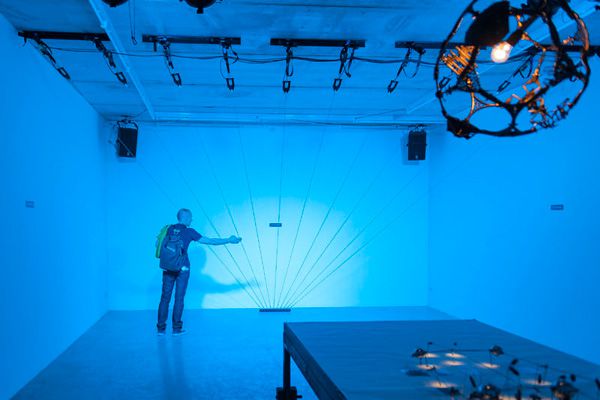
Photo: Claudio Grassi
And, once again, the precinct was brimming with intriguing creations, see our favourites below:
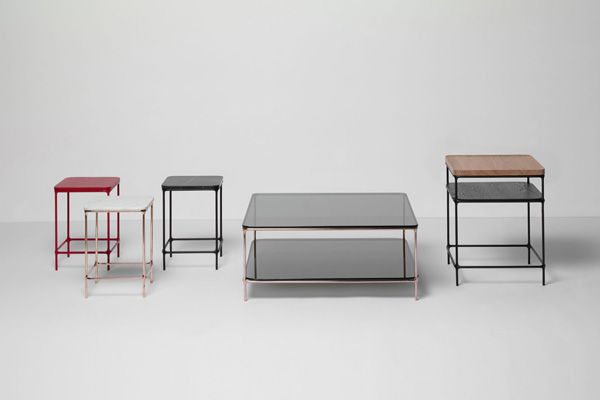
Branch’s MC Collection showcased gorgeous materiality from one of the few remaining family-owned foundries in the US.
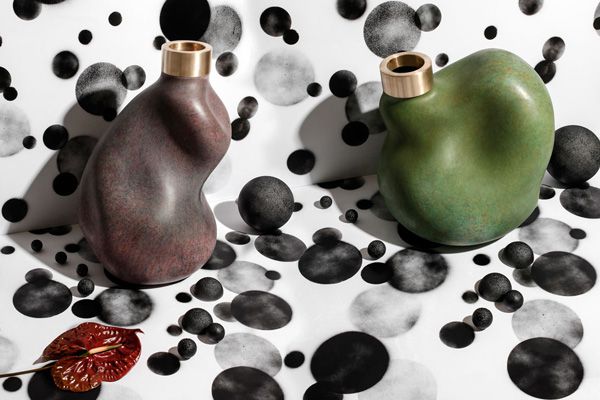
Composed of individual granules that bond together at low temperatures, the colour of Breaking the Mold’s Bronze Vessels vessels can be carefully controlled, and they can be reheated and re-cast.
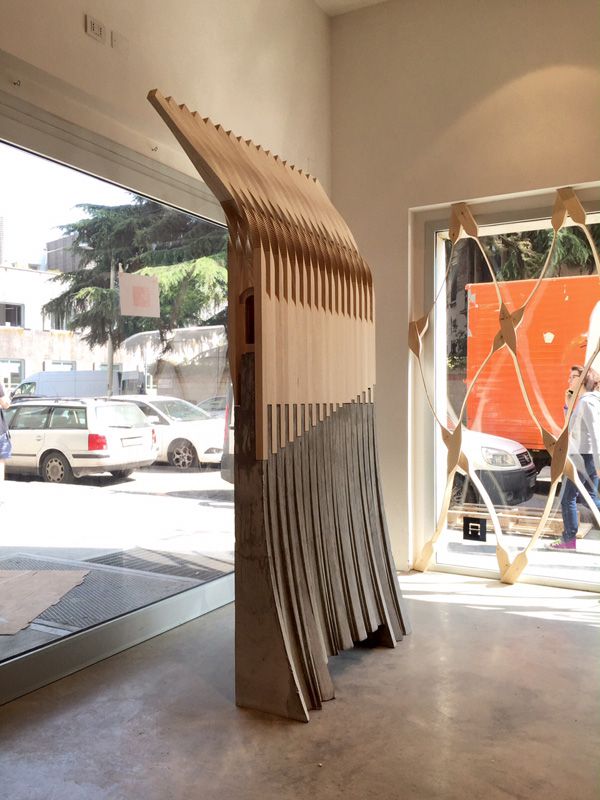
The Aarhus School of Architecture in Denmark presented an exhibit exploring materiality and craftsmanship; The Augmented Timber Curtain explores relations between digital precision and material indeterminacy. The structure consists of an assembly of wood components digitally crafted through advanced production techniques.
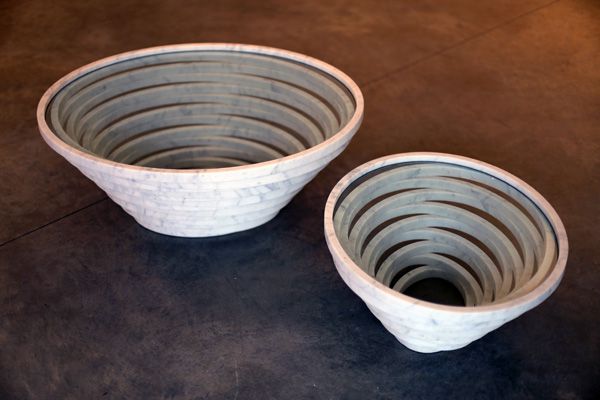
Bufalini Marmi + Paolo Ulian presented extraordinary creations in marble that push the boundaries of stoneworking.
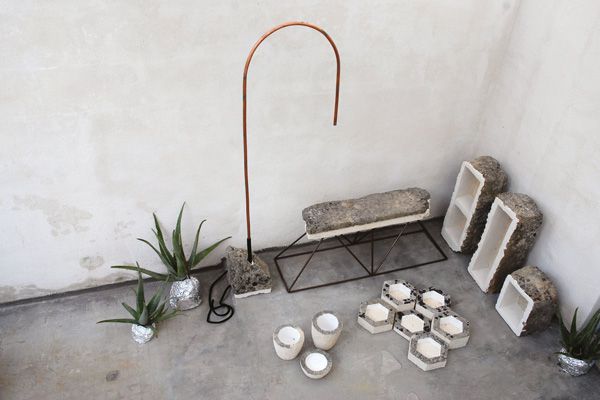
Made from the native stone of designer Cosma Frascina southern Italian hometown, this collection combines rusticity with refinement.
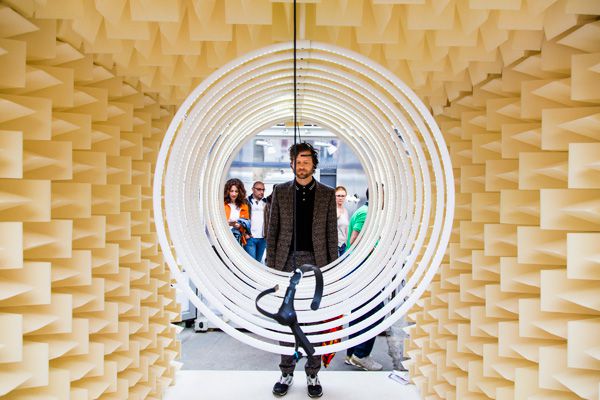
Danish students of the Design School Kolding put on an impressive show this year, with interactive, multi-sensory and neuro-responsive installation ‘The Tube’ being a definite highlight.
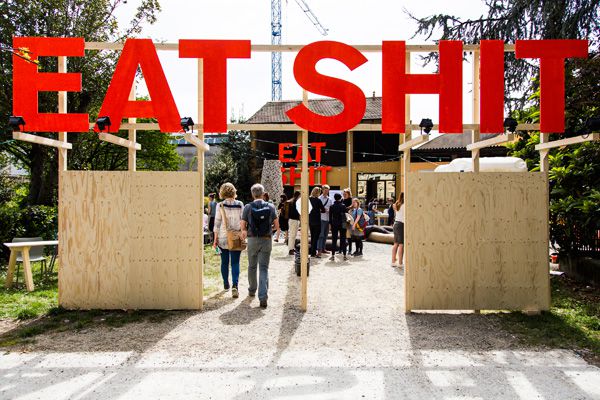
A number of designers addressed various issues surrounding food, efficiency and waste, most visibly, Design Academy Eindhoven’s ‘Eat Shit’ series of installations. The first exhibition by the academy’s new Food Non Fooddepartment, ‘Eat Shit’ involved the entire department (18 students and their teachers) travelling to Milan to explore the politics of how, where and why we eat in a part exhibition, part public laboratory format.
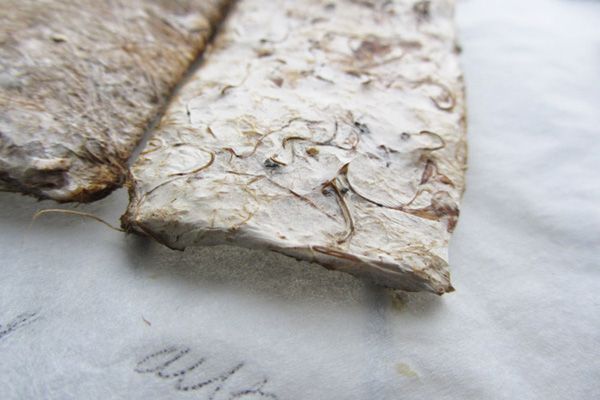
Emma van der Leest’s hemp-and-fungus grown packaging material furthered this theme, providing a compostable, insulating alternative to plastic.
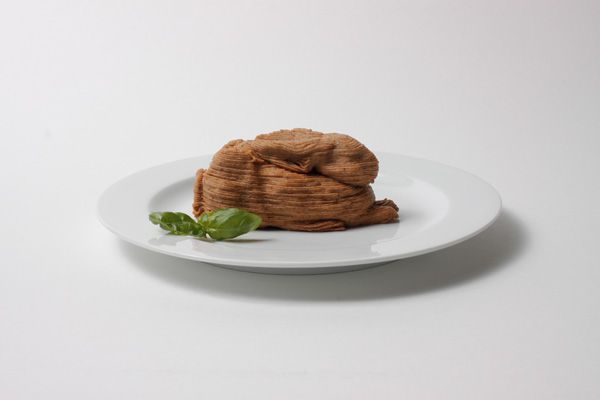
Carolin Schulze also explored the food topic, combining 3-D printing technology with cultivation of insects for human consumption. The result: Bugs Bunny – a tongue-in-cheek but thought-provoking rabbit 3-D printed from mealworm.
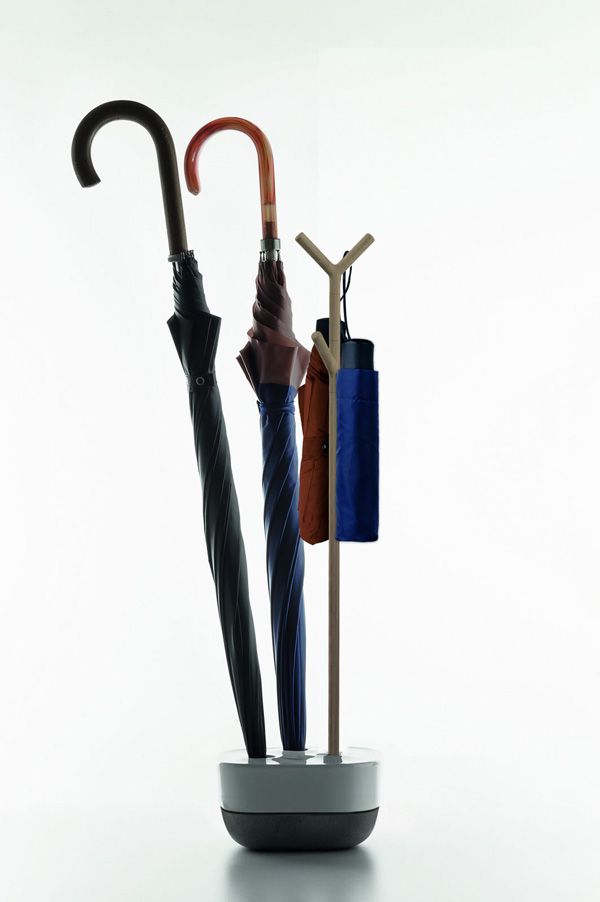
Incipit’s ‘Vide’ stand – a simple, effective and strangely pleasing umbrella stand.
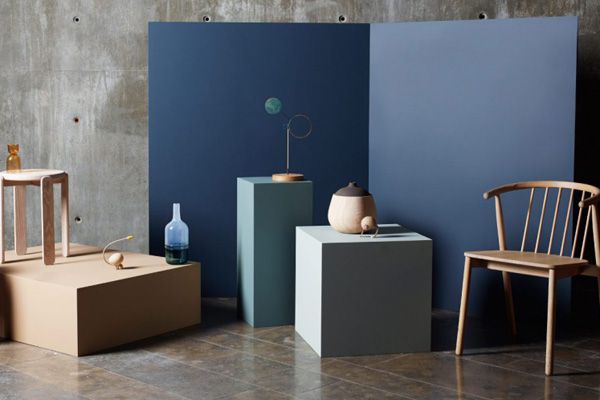
Another high calibre Scandinavian collective was Norwegian Experience – with ‘fjordfiesta’ scoring well for both humour and aesthetic.
Yet another, The Royal Danish Academy of Fine Arts Schools of Architecture, Design and Conservation presented work from various students and members of faculty, including this beautiful light designed by Julie Maj Andersen
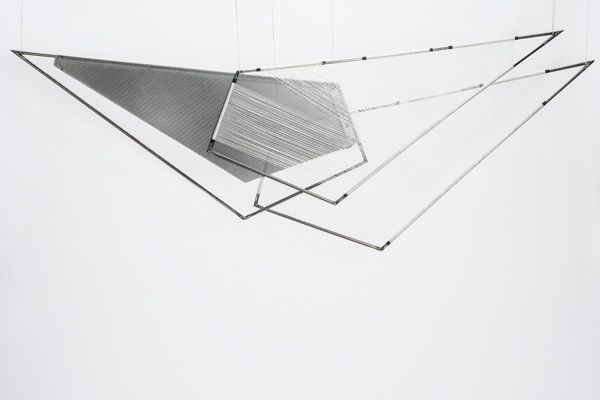
Czech student collective ‘Popup Show’ played on the ‘pop-up’ phenomenon in design, showcasing a series of fun, playful creations.
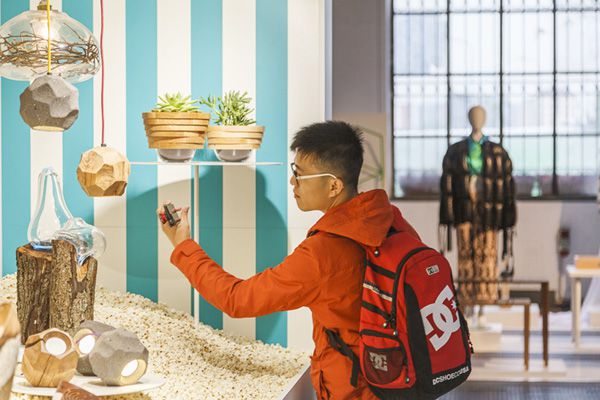
Demonstrating an exquisitely delicate touch, Studio WM presented a series of designs centred around scent diffusion – the Ventus being a personal favourite.
Trialog’s sinuous, fluid wood designs evoke various organic forms, but are surprisingly functional and adjustable.
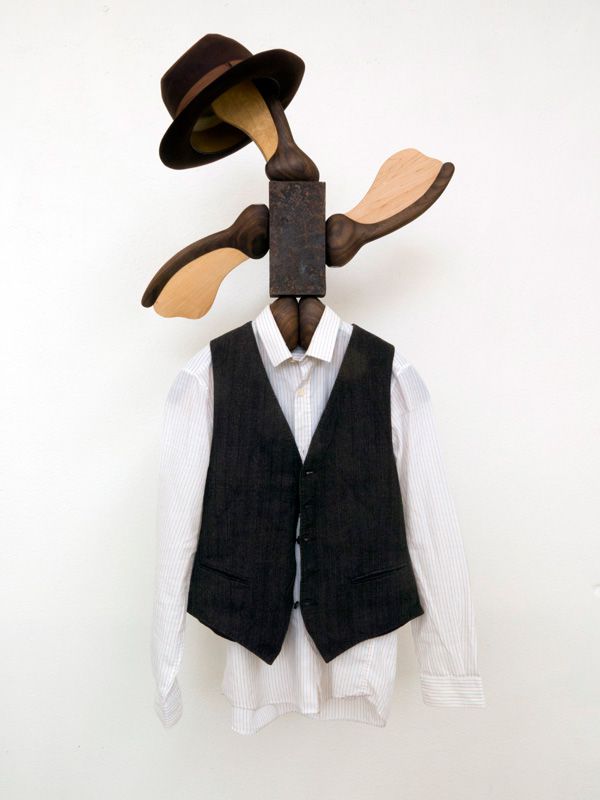
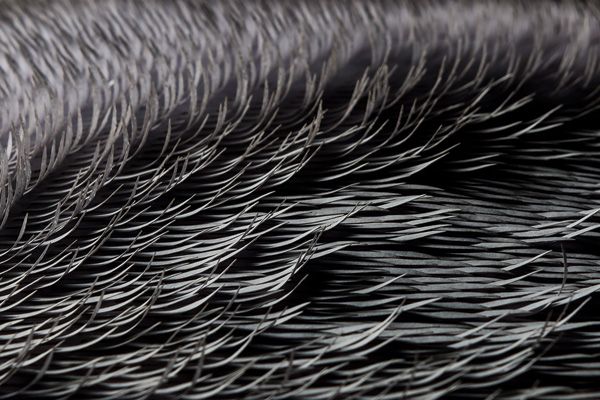
German students from Offenbach University of Art and Design experimented with responsive materials, employing magnetism, electricity and moisture to create fascinating effects. Florian Hundt’s transformative paper (below), plays with paper and wood’s sensitivity to humidity, creating a material who’s visual and tactile dimension responds to the air around it.
Whilst the above selection were favourites, there were many more worthwhile creations – we only wish we had more time to explore, meet the designers, and share their ideas with you in more depth.
Ventura Lambrate
venturaprojects.com
For more in-depth discussion of Ventura Lambrate’s role in the broader context of the design industry, pick up a copy of Indesign Magazine Issue #62, on sale in August
INDESIGN is on instagram
Follow @indesignlive
A searchable and comprehensive guide for specifying leading products and their suppliers
Keep up to date with the latest and greatest from our industry BFF's!
The internet never sleeps! Here's the stuff you might have missed