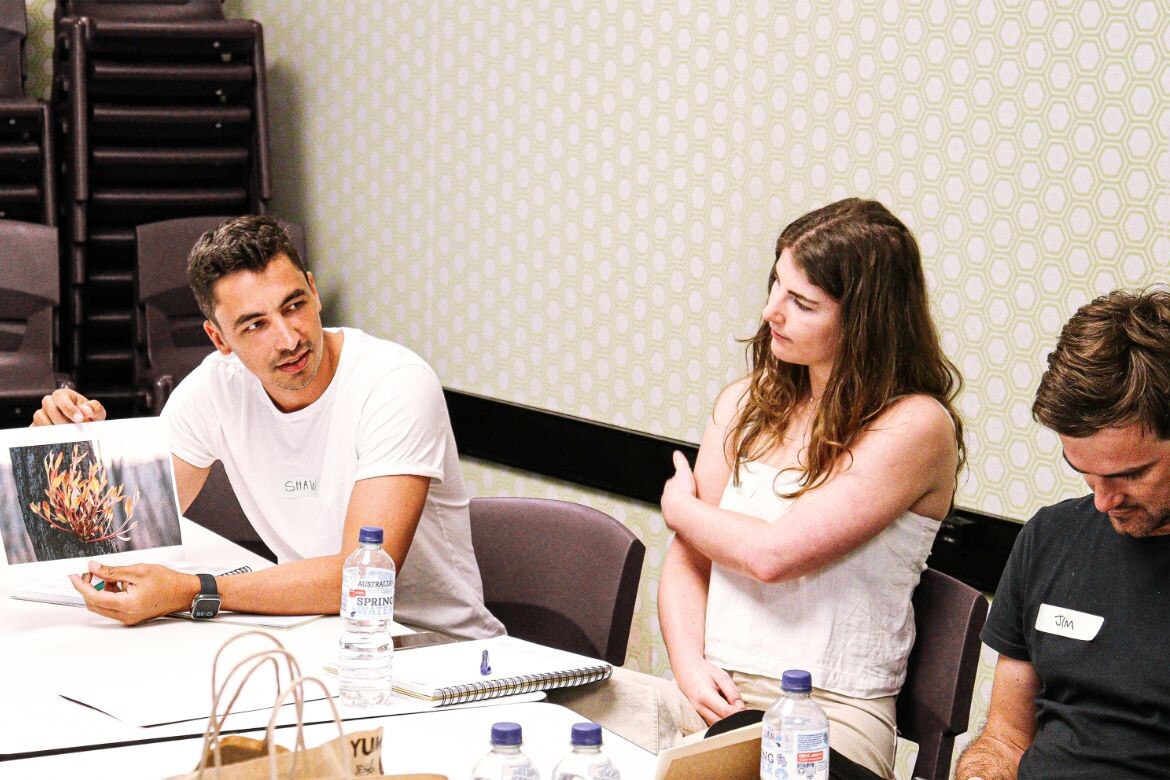
Two design houses have announced a pioneering collaboration that aims to redefine the landscape of architectural design. McGregor Coxall, an interdisciplinary design firm, and Yulendj Weelam Lab, a design research lab from RMIT’s School of Architecture and Urban Design, have just launched a three-year design research partnership.
In a commitment to First Nations reconciliation, the collaboration seeks to explore how the harmony of academia, Indigenous knowledge holders, and design practitioners can construct an architectural future that sincerely recognises, engages with, and upholds Australia’s First Nations people and culture.

The partnership kicked off with a potent workshop helmed by eminent academics, including Barkandji scholar Sophia Pearce, landscape architect Jock Gilbert, architect Dr Christine Phillips, and Gamilaraay academic researcher Beau De Belle.
Dr Christine Phillips expressed her enthusiasm for the collaboration, saying, “This crucial work promises to revolutionise our design practice, painting design as a powerful instrument of reconciliation.”
Related: “Caring for Country is infinite” at Hobsons Bay Wetlands Centre

As the Reconciliation Partnerships leader at McGregor Coxall, Thomas Flugge recognises the communal essence of this transformational journey, emphasising the importance of respectfully engaging with Indigenous knowledge and Country, and highlighted the individual’s role in this process.
“This process starts by understanding and discussing our own personal story and relationship with this continent,” says Flugge. ” ‘Whose Country are you on?’ is a key part of relating yourself to Country.”

“It has been a great opportunity for our employees to continue the meaningful dialogue and effect positive action following on from the recent First Nations-led ‘Country’ AILA Festival in Meandajin [Brisbane], which has been received as an incredibly special moment and a catalyst for change in Australian landscape architecture and the design industry as a whole,” says Flugge.
“The conference was empowering for all participants and this research partnership will influence the way we practice here at McGregor Coxall.”

Coming up later in the year, an immersive field trip to Culpra Station and Lake Mungo awaits the participants as part of the third workshop in the series.
With studios in Australia and the UK, McGregor Coxall is a global design player known for its commitment to shaping successful cities and environments. It continually seeks to provide design solutions to complex urban and environmental challenges.
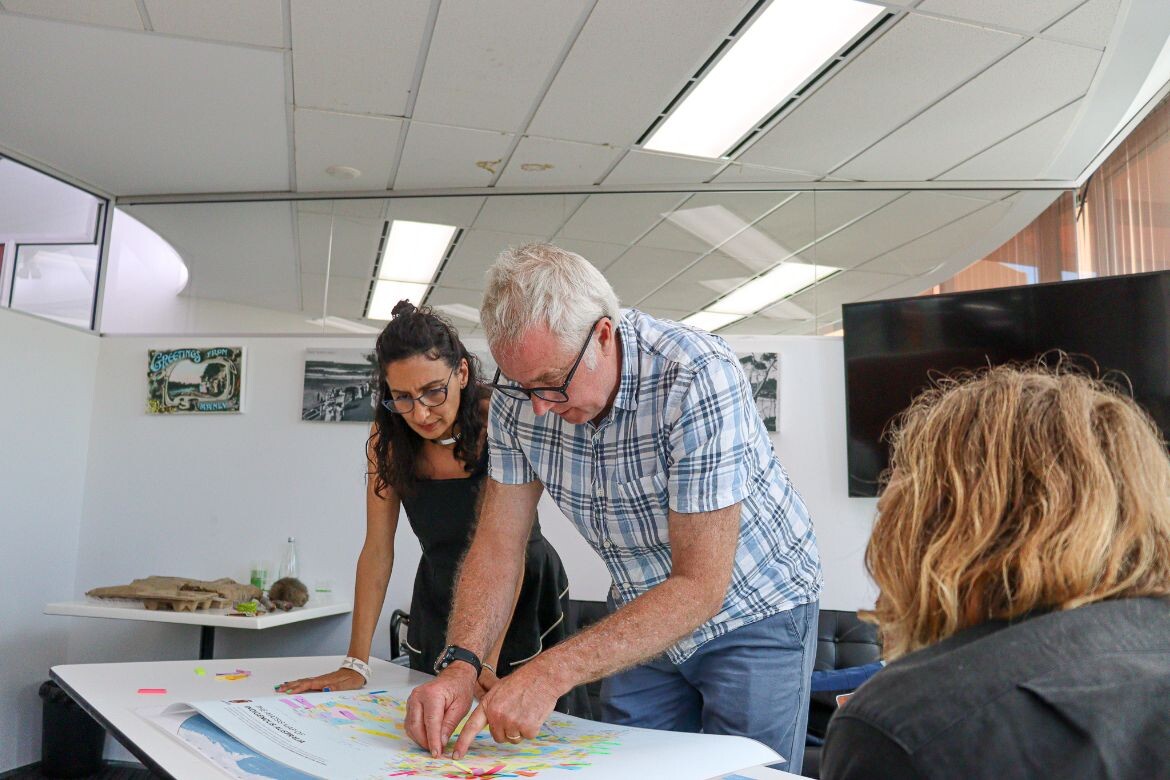
On the other side of this partnership, the Yulendj Weelam Lab brings together a team of design researchers. Operating through RMIT’s Architecture and Urban Design School, the lab champions Indigenous sovereignty and self-determination through design.
McGregor Coxall
mcgregorcoxall.com
RMIT Architecture and Urban Design School
architecture.rmit.edu.au

Sydney’s second workshop with RMIT and Yulendj Weelam Lab.
We think you might like this article about mapping concrete and Brutalist architecture.