The home of architecture and design in the Asia-Pacific
Get the latest design news direct to your inbox!

Get the latest design news direct to your inbox!
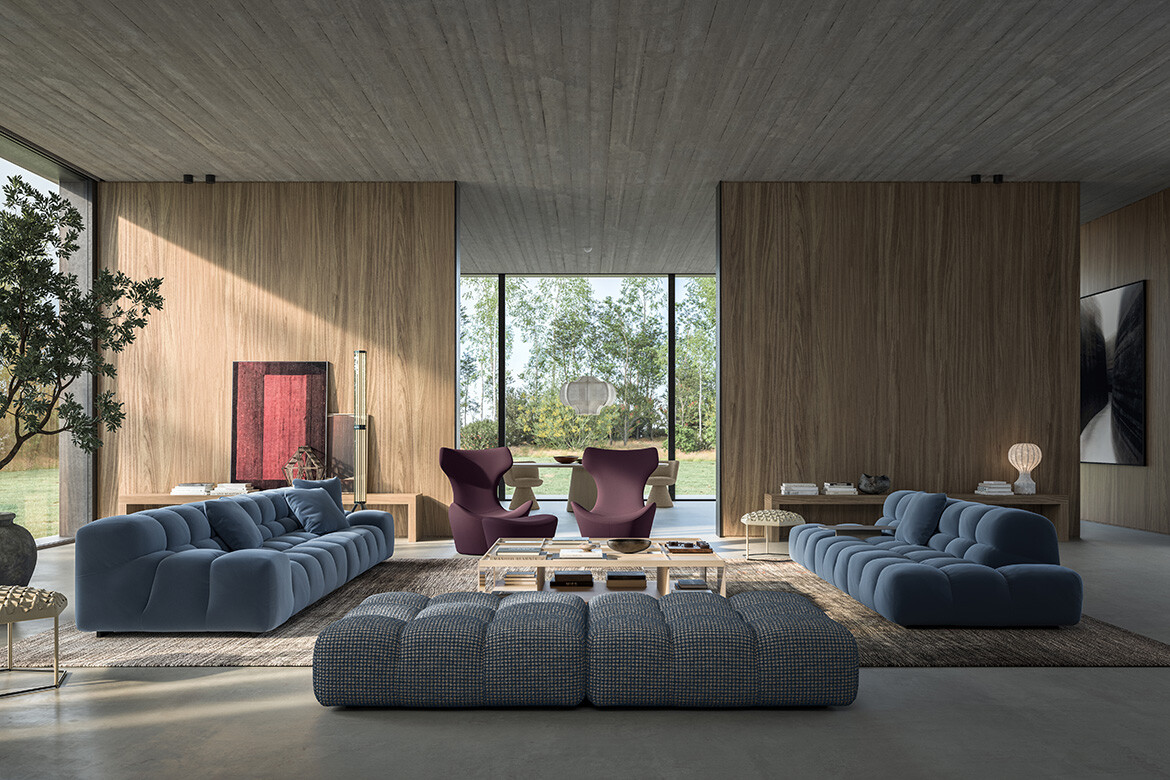
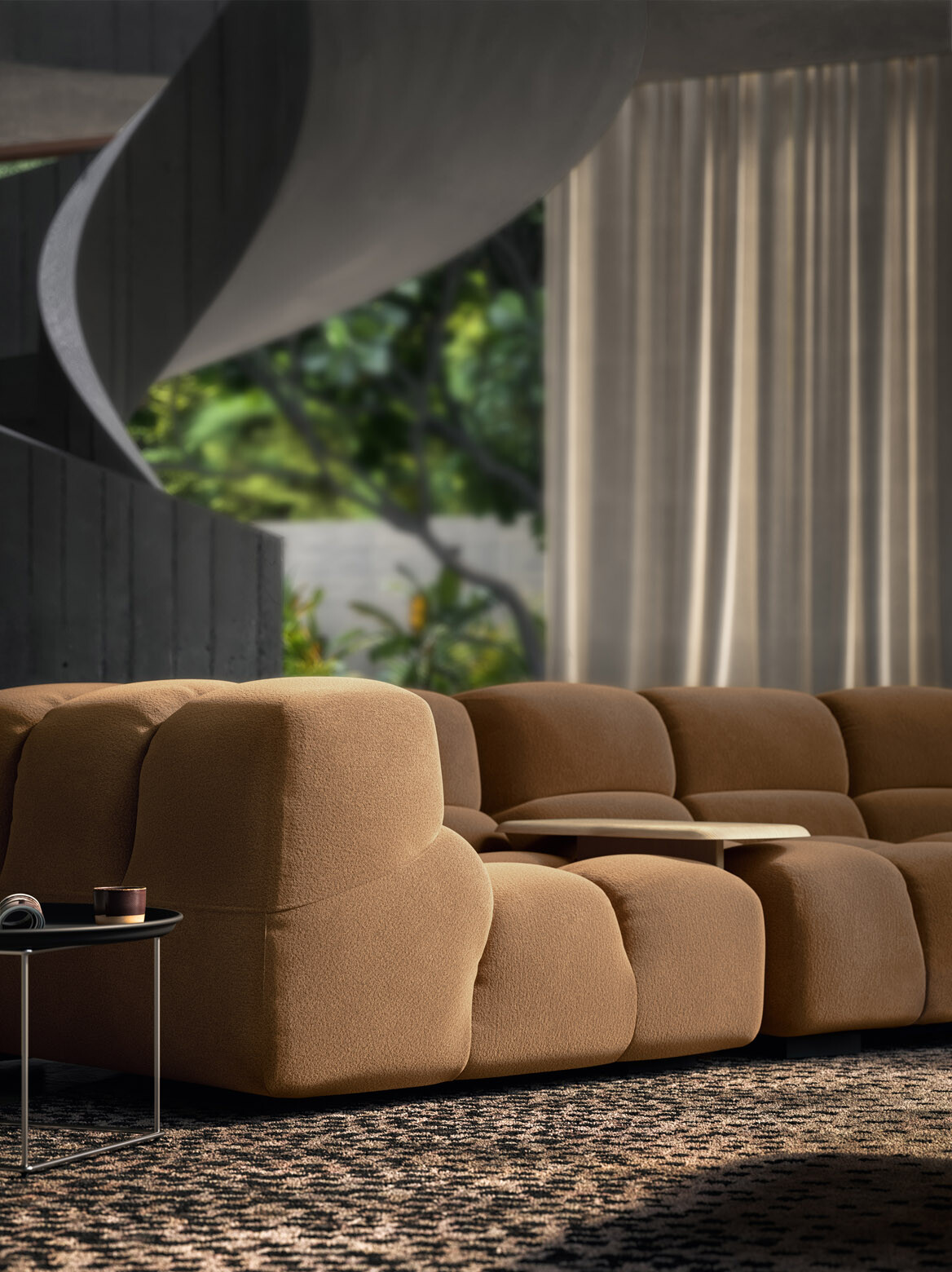
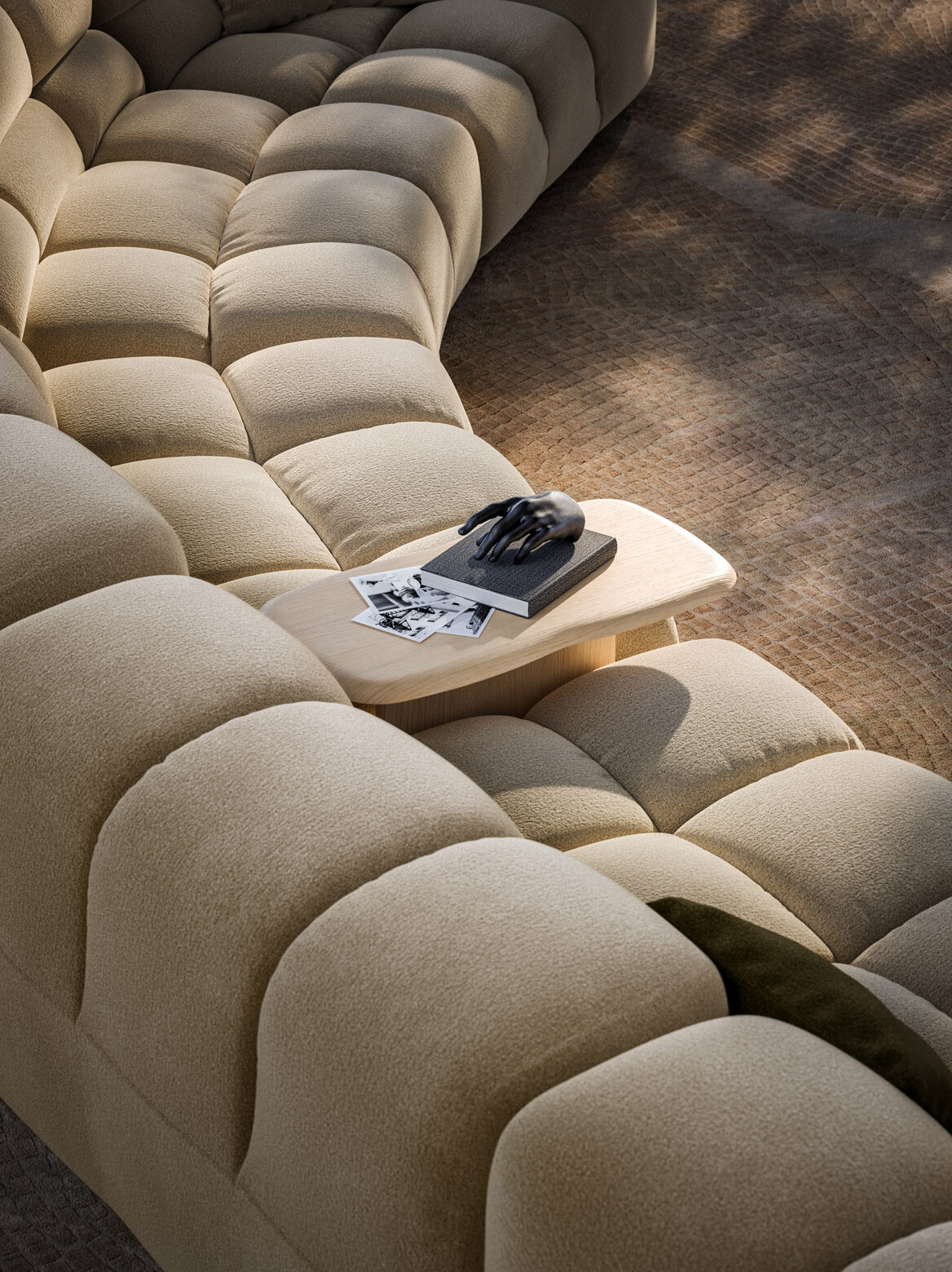
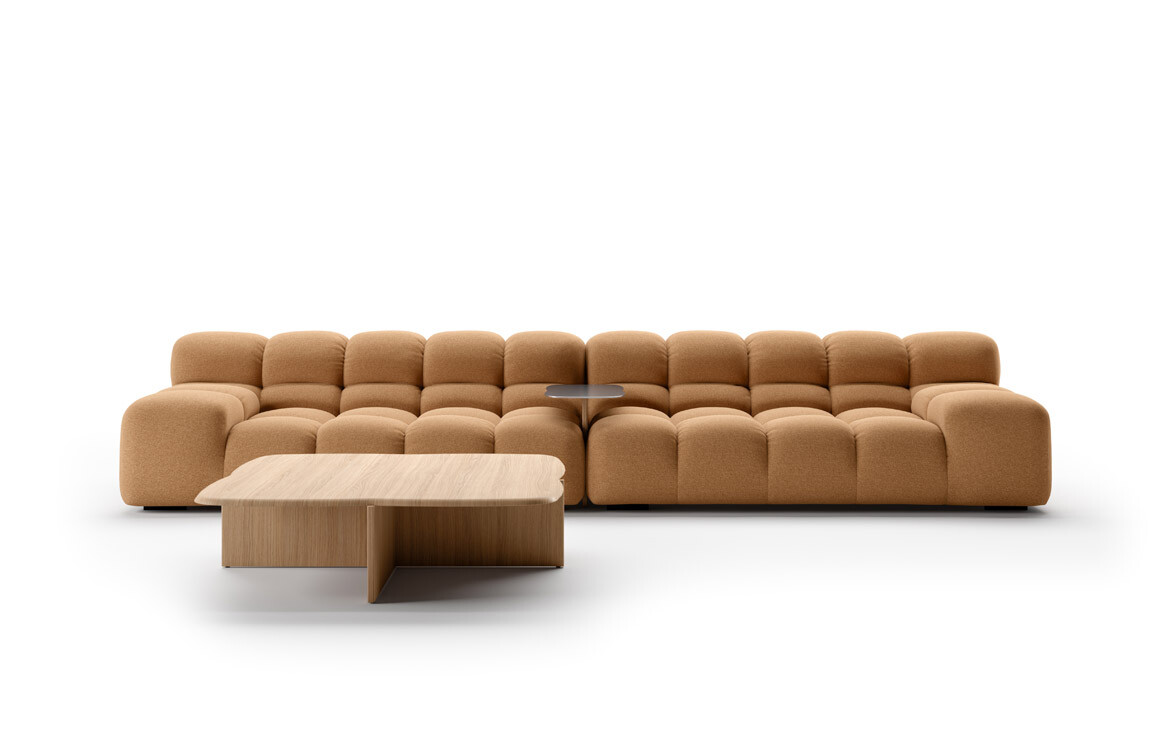
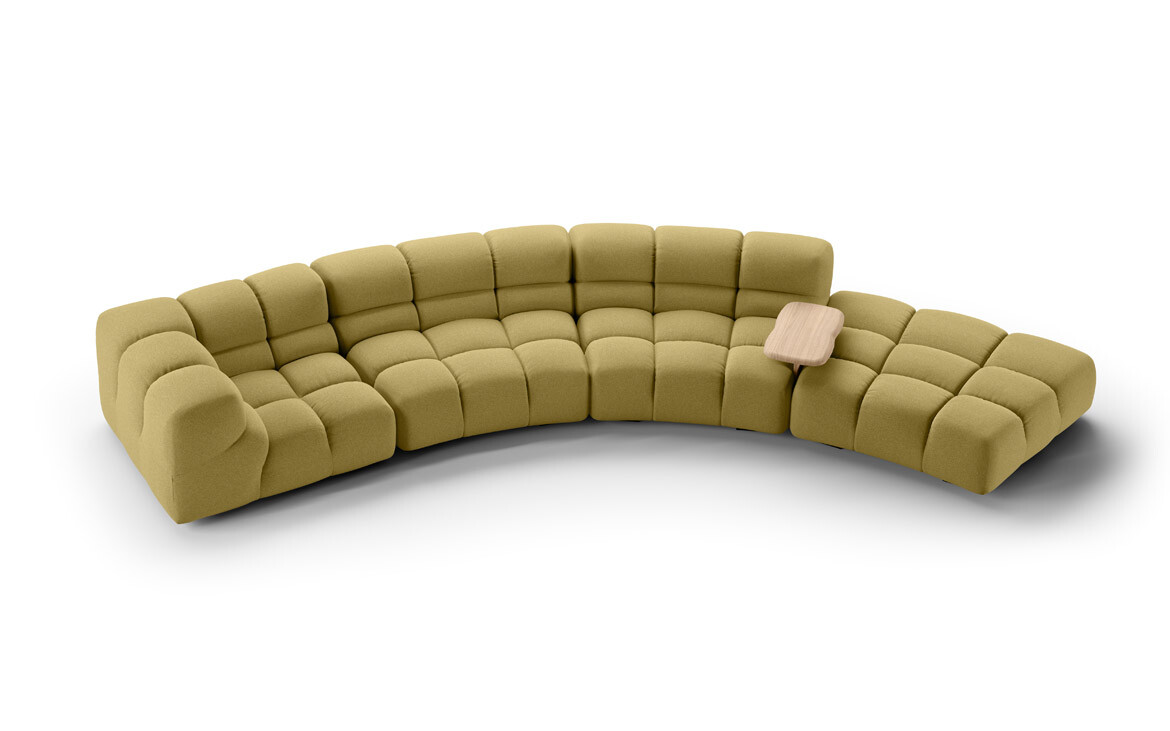
Two decades after it first redefined the classic Chesterfield, B&B Italia’s Tufty-Time returns in a new edition. Tufty-Time 20 refines the original’s comfort, form and flexibility while embedding circularity at its core.

February 17th, 2026
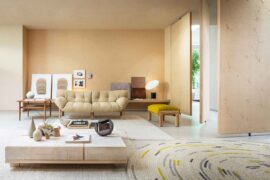
Tufty-Time cemented itself as a classic straight out of the gates. Now, twenty years after its debut, it returns as a recalibrated edition. With the arrival of Tufty-Time 20 in Australia, B&B Italia revisits one of its most influential seating systems and updates it for the way we live, work and gather now. Available exclusively in Australia at Space Furniture, the new edition marks a considered evolution of an icon – one designed to endure for the next two decades and beyond.
Designed by Patricia Urquiola, Tufty-Time charted a shift in sofa culture when it was first launched in 2005. The sofa reinterpreted the Chesterfield and capitonné traditions through a contemporary lens, introducing a softer, more relaxed language of modular living. With its generous proportions, low-slung comfort and flexibility, it was a sofa that moved easily between residential interiors and commercial environments, quickly becoming one of B&B Italia’s most recognisable and enduring designs.
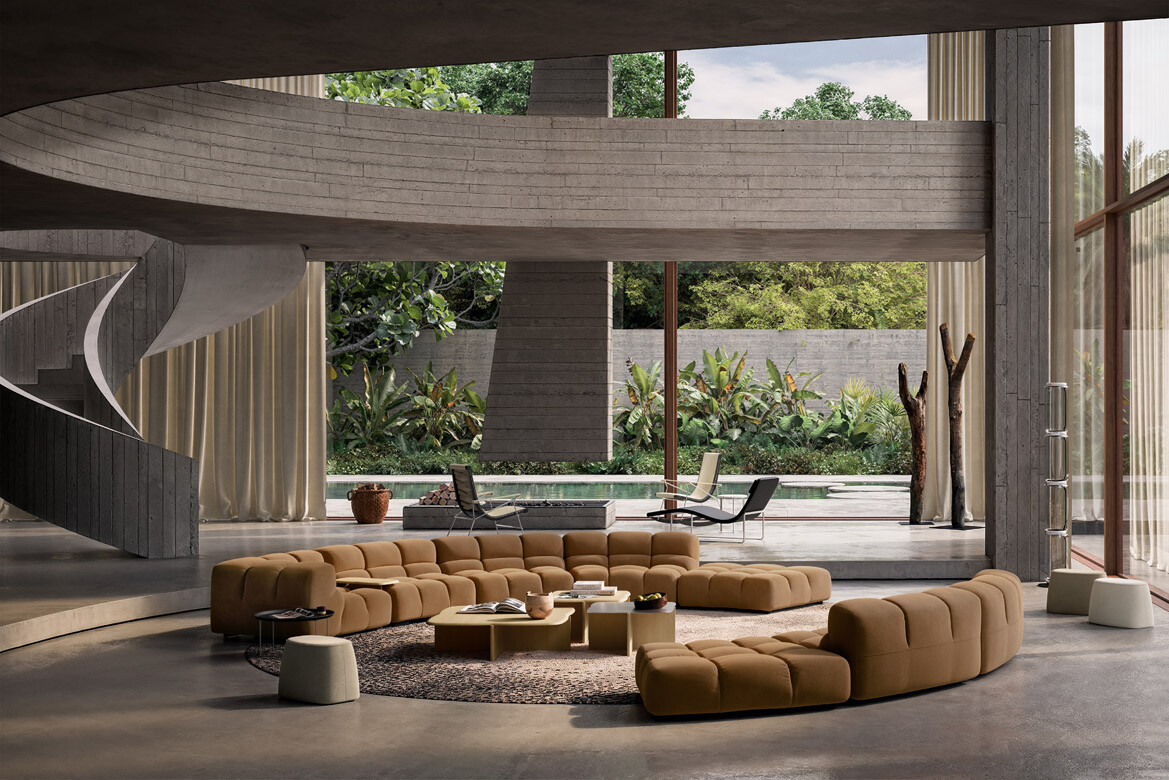
“B&B Italia celebrates 20 years of Tufty‑Time, a piece very dear to me. A new version designed with longevity in mind, a fundamental quality for a design approach that looks ahead,” says Urquiola.
Tufty-Time 20 builds on this legacy with a series of deliberate refinements. At its core is a commitment to circularity. The system has been engineered for complete disassembly, allowing materials and components to be separated and recycled at the end of their life – an approach that places environmental responsibility on equal footing with comfort and form.
The new structure introduces thicker layers of padding, and recycled materials to deliver a softer and more enveloping seating experience. The seat height has also been subtly increased to improve ergonomics, which is a response to contemporary expectations of comfort across both home and workplace settings. These changes are understated but impactful, enhancing the everyday experience without altering the character that made the original so recognisable.
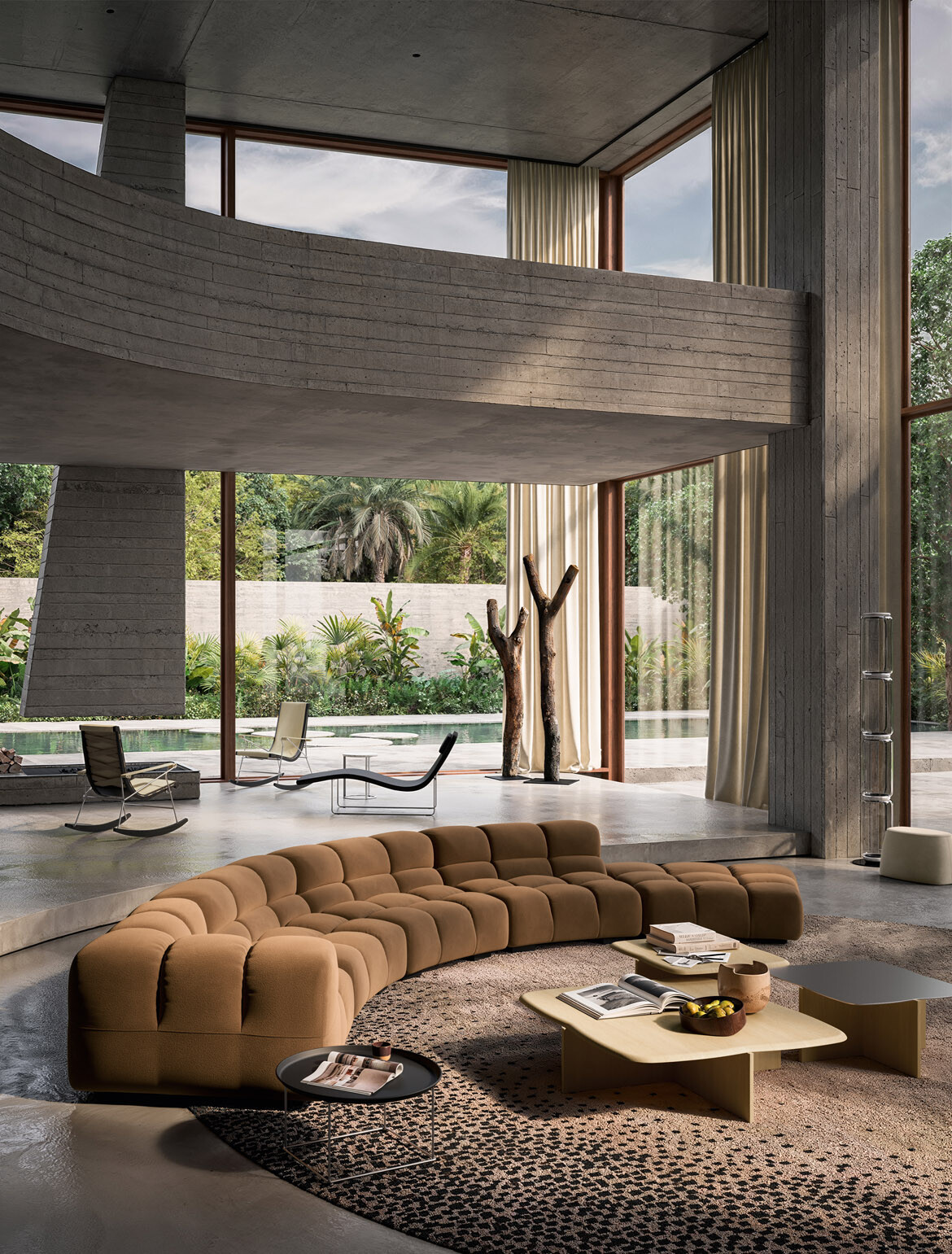
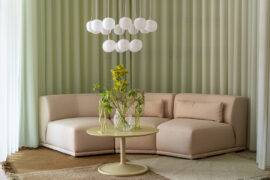
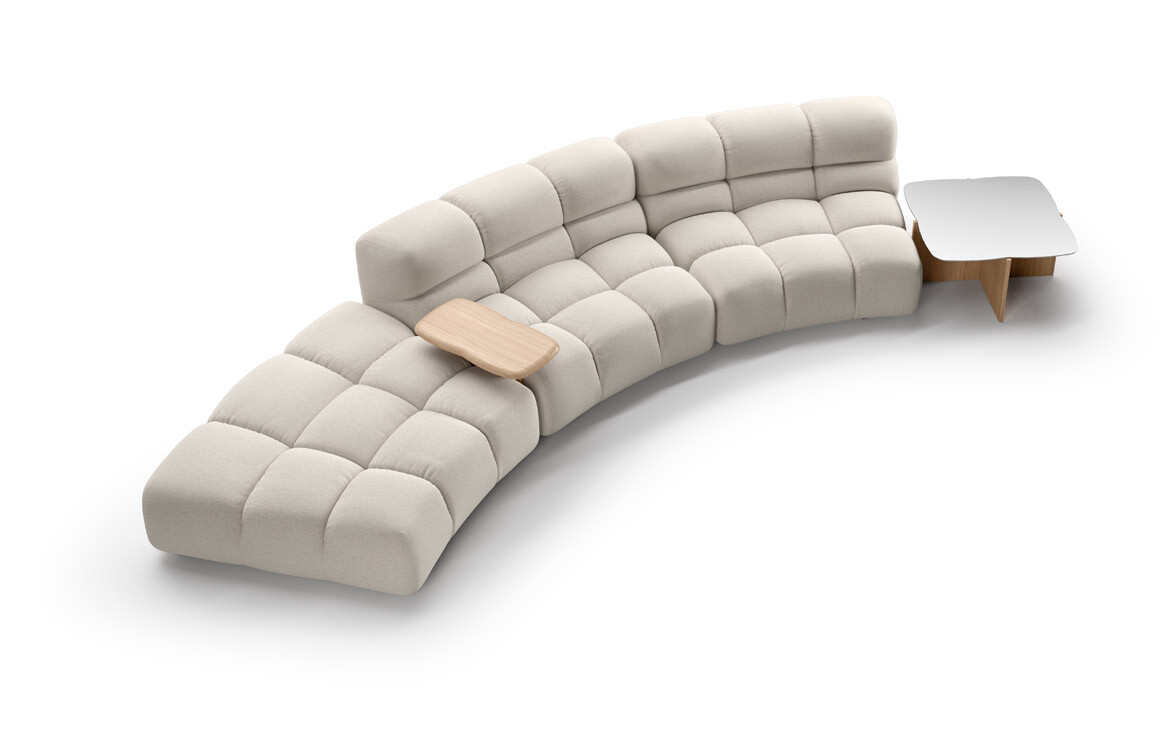
Modularity remains central to the system’s appeal. As such, Tufty-Time 20 comprises 14 flexible modules, including a new curved element that opens up more organic, conversational layouts. Designed to encourage face-to-face interaction, the curved module is particularly suited to hospitality, workplace and social spaces, where seating is less about formality and more about connection. In these environments, the sofa becomes a social landscape – something to gather around.
Tufty-Time 20 is presented through Space Furniture’s curated lens, sitting comfortably within a broader narrative of global design excellence. For over three decades, Space has connected Australian architects and designers with enduring international collections. creating environments where craftsmanship, innovation and lifestyle intersect. Tufty-Time 20 exemplifies this ethos: a living sculpture that anchors space, and sets the tone.
A welcomed update, Tufty-Time 20 is a considered evolution, one that honours history, elevates comfort and looks responsibly towards the future.
Space Furniture
spacefurniture.com.au
INDESIGN is on instagram
Follow @indesignlive
A searchable and comprehensive guide for specifying leading products and their suppliers
Keep up to date with the latest and greatest from our industry BFF's!
The internet never sleeps! Here's the stuff you might have missed