The home of architecture and design in the Asia-Pacific
Get the latest design news direct to your inbox!

Get the latest design news direct to your inbox!
A comprehensive survey conducted by Steelcase has birthed the ‘Global Report: Changing Expectations and the Future of Work.’ We take a look at the results.

As employees return to the office, they'll expect more open collaboration spaces and better-protected workstations.
May 3rd, 2021
The pandemic has caused a seismic shift in various sectors, but the way we work has changed astronomically. Our priorities at work have altered significantly, how we work, when we work and our levels of productivity are all shifting.
While architects and designers set to work on devising buildings that will drag employees out of their home offices, Steelcase have surveyed over 30,000 people around the globe to understand work as we know it in a post-pandemic world. Their findings shed light on many of the aspects of working from home, with future office safety implementations high on the priority list as workers around the globe begin to reimplement themselves into society.
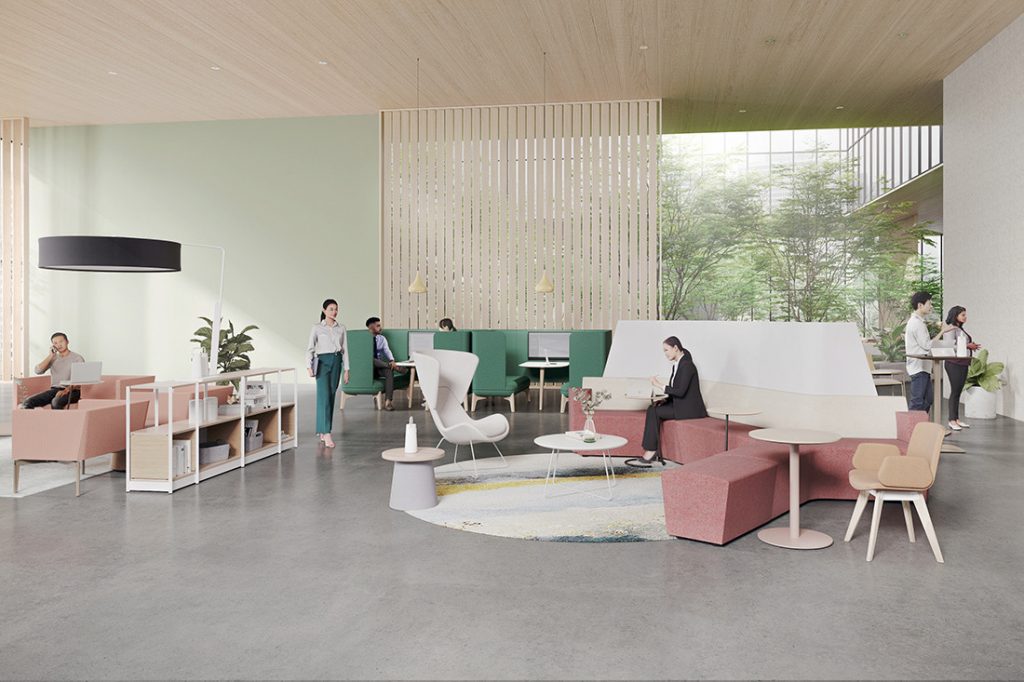
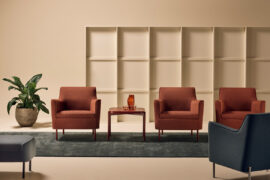
The office’s purpose redefined: People return to the workplace to connect, socialise and collaborate. Steelcase understands the social aspect of the post-pandemic office and this is reflected in their products.
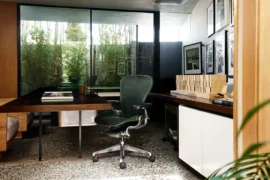
In a post-pandemic world, flexibility is very much the key to productivity in the workplace. 59% of Australian respondents are expecting to work from home one day a week or less post-pandemic, but more companies in more countries are allowing for the increase of flexible work policies, with a 38% increase in flexibility estimated by organisation leaders. Given the nature of working from home, where people switch from the desk, to the table, to the lounge and to the kitchen bench, respondents require a workspace that accommodates a range of postures, settings and the ability to move, similar to the working conditions of home. A distraction free environment and a want to reconnect to their organisation’s shared purpose were all high on the list for respondents.
Health and safety paradigms have also adjusted in the wake of the coronavirus pandemic. The main priorities of workers going back to the office that responded to the Work Experience Diagnostic include adherence to safety protocols (73.4%), indoor air quality (70.7%), facility cleanliness (70.5%), and physical distancing & boundaries (69.3%). Given the strict mandates of public venues that have allowed us to frequent places and socialise while the pandemic has continued, it comes as no surprise that the sentiments of those going back to work in the office reflects these protocols seen in venues.

Braiding digital & personal: Large-scale digital devices for collaboration and analogue tools like mobile whiteboards for teams to collaborate whether they are together or apart. Steelcase’s products are suitable for collaborative tasks.
Australian employees surveyed by Steelcase have cited collaboration as their number one element workplaces should provide upon a return to the office. Those returning to the office also cited purpose, belonging, resilience, trust and inclusivity as the main reasons they look forward to returning, with human interaction seemingly the driving factor behind these choices.
Those that have struggled with the working from home setup have reported a 14% decrease in engagement and a 12% drop in productivity compared to time in the office. Those that have thrived, on the other hand, have enjoyed no commute, with 38% of respondents citing no travel time as the most positive WFH experience. No office distractions (26%), an ability to focus and be productive (25%) and a better work-life-balance (22%) ranked second, third and fourth respectively. These results were derived from the Work Experience Diagnostic.
Jason Taper, Managing Director, Steelcase Australia, says the company’s research has enabled them to be ahead of the curve in terms of post-pandemic workplace trends.
“Our research also shows that people’s most pressing concerns about returning to the office are about safety,” he says.
“Pre-pandemic, when businesses addressed safety in the workplace, their focus was primarily on occupational health and safety standards, and this is still really important. In some examples we know that poor work from home set-ups have compromised the wellbeing of employees.
“Businesses will now need to take a multifaceted approach that focuses on mitigating the spread of disease and keeping their workplaces safe. Well-documented behavioural protocols, such as mask wearing and social distancing will go a long way to achieving this.”
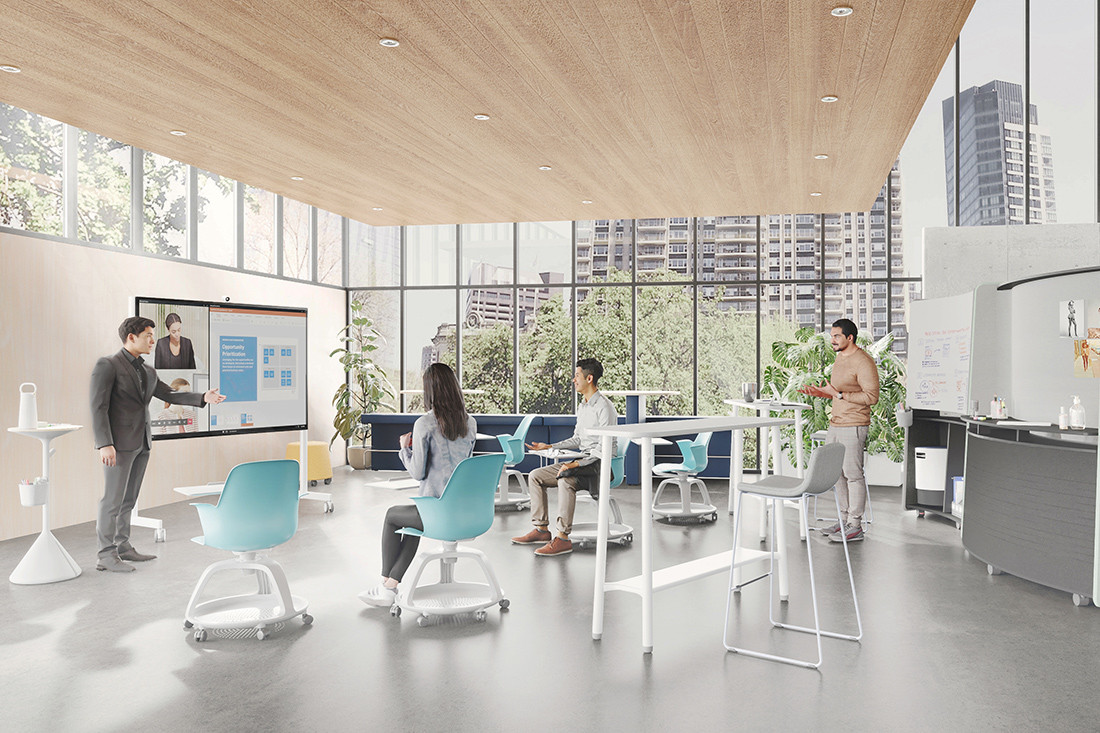
More flexible and fluid spaces with modular and mobile furniture for teams to reconfigure their workplace – on demand. Learning is a crucial part of working life – ensure you work in the correct manner with Steelcase products.
As we emerge from COVID-19, the five things that people say they need the most in their workspace is safety, belonging, productivity, comfort and control. With organisation’s looking to significantly change their offices in an attempt to bring employees back to the office, these five things cannot be understated.
The Steelcase report is available for download and can be accessed here.
Steelcase

INDESIGN is on instagram
Follow @indesignlive
A searchable and comprehensive guide for specifying leading products and their suppliers
Keep up to date with the latest and greatest from our industry BFF's!
The internet never sleeps! Here's the stuff you might have missed