The home of architecture and design in the Asia-Pacific
Get the latest design news direct to your inbox!

Get the latest design news direct to your inbox!
In the first instalment of our three-part series exploring what it means to sit your best, we pose the question to Gray Puksand’s Dale O’Brien, who discusses the importance of ease and majority rule when it comes to sitting and reveals why specifying a task chair is not unlike choosing a Volvo.


April 22nd, 2026
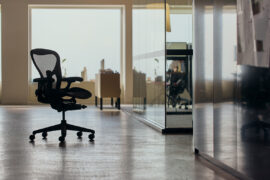
When Herman Miller first launched Verus in 2017, the intention wasn’t exactly to make a striking visual statement. Designed to democratise the brand’s ergonomic performance at a more attainable price point, Verus’ rectilinear presence challenges the convention of the task chair as an industrial object that unintentionally intimidates the user. Instead, the simple, considered design sits quietly between the almost agricultural language of traditional task chairs with multiple adjustment points and the more impractical-looking, often contentious seats.
In contrast to more divisive, technically complicated designs, Verus has a remarkably broad appeal. And that, Dale O’Brien, a Partner with Gray Puksand, points out, is not at all a bad thing.
Approachability of a Volvo
Dale smiles as he reaches for a Volvo metaphor to illustrate the universal appeal of a reliable, easy-to-use design. “It’s a beautifully engineered, well‑made product that works really well, is non‑offensive and suits a lot of people,” he explains.
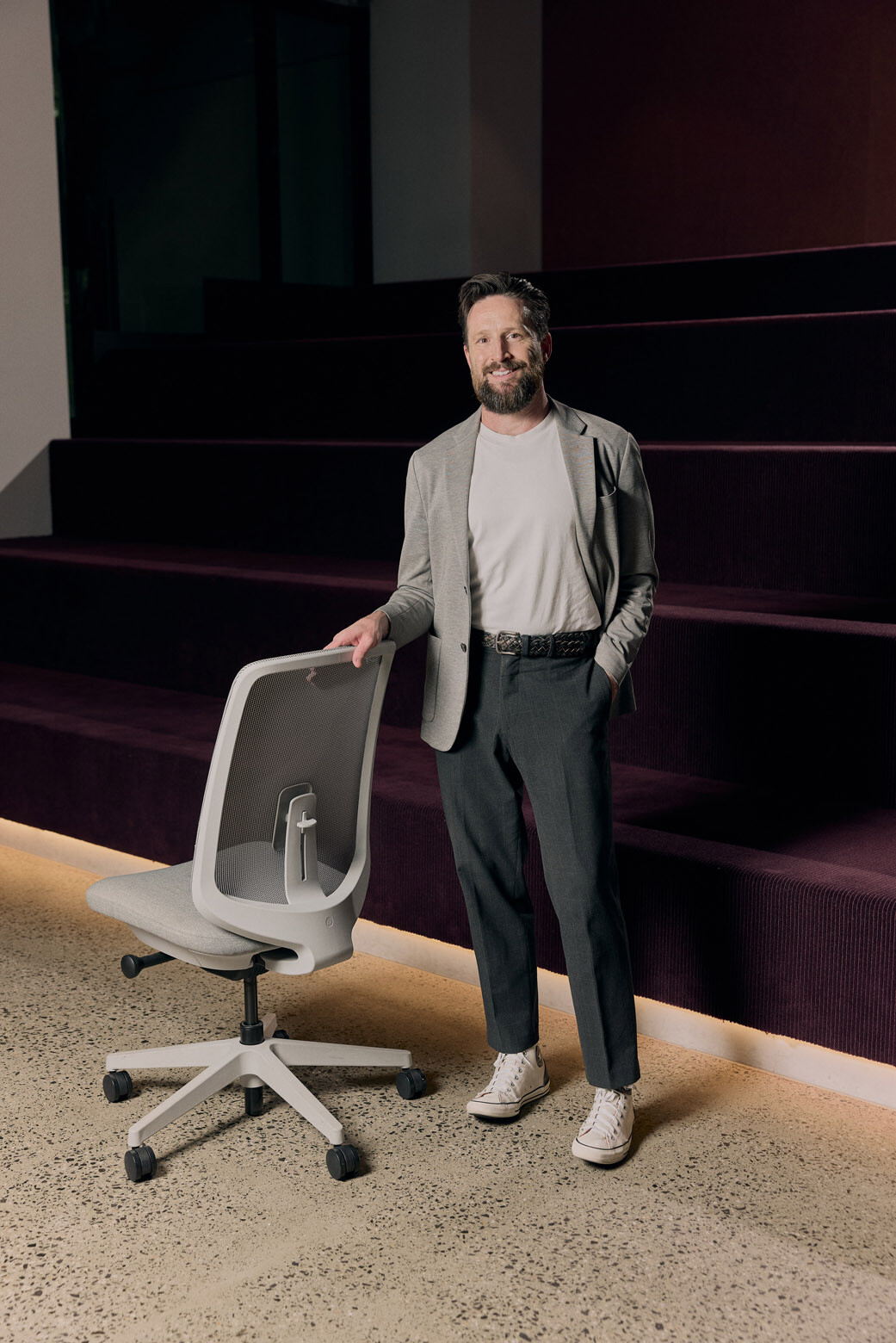
Verus, with its pleasingly uncomplicated form, sits squarely in that category. “When you think about a space where everyone sits and we’ve got clients coming through all the time, this simple, considered design blends in with the surroundings really nicely,” Dale notes, the chair’s squared-off back he’s so fond of peeking behind him.
But this approachability isn’t just an aesthetic choice – it’s a functional necessity.
Making sitting easier for all
Dale views ease – the reduction of friction between the person and the object – as the core of what it means to sit well. That hasn’t always been straightforward, of course – or at least, not for everyone.
Dale, who has spent the last two decades at the forefront of workplace design evolution, explains that, in the past, the industry leaned on global standards – an inflexible benchmark that, while useful, often relied on a statistical average person that didn’t really exist. “It was built around a ‘one size fits all’ model,” he reflects.
As our collective awareness of well-being and the sheer diversity of human physicality has evolved, that historical model has begun to show cracks. And the challenge became to create something suitable for the majority of – if not all – body types.
Shared utility in a dynamic constellation
This shift in focus from the average to the individual is especially evident in a modern, hybrid office, where the relationship between a person and the chair has shifted. “It’s not just that you don’t sit in the same chair every day,” Dale states, “but also that the task chair isn’t the only thing that you sit in to do work.”
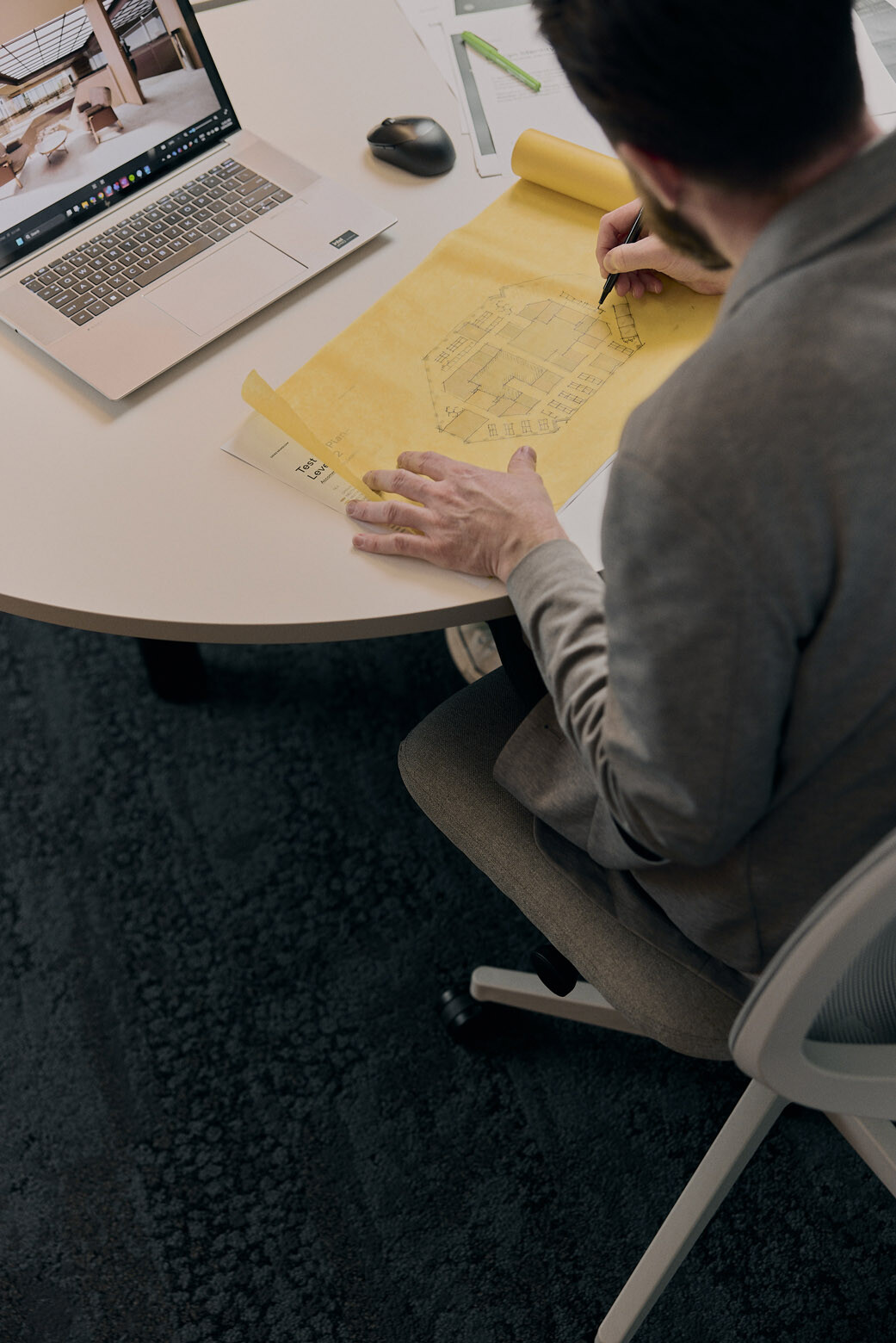
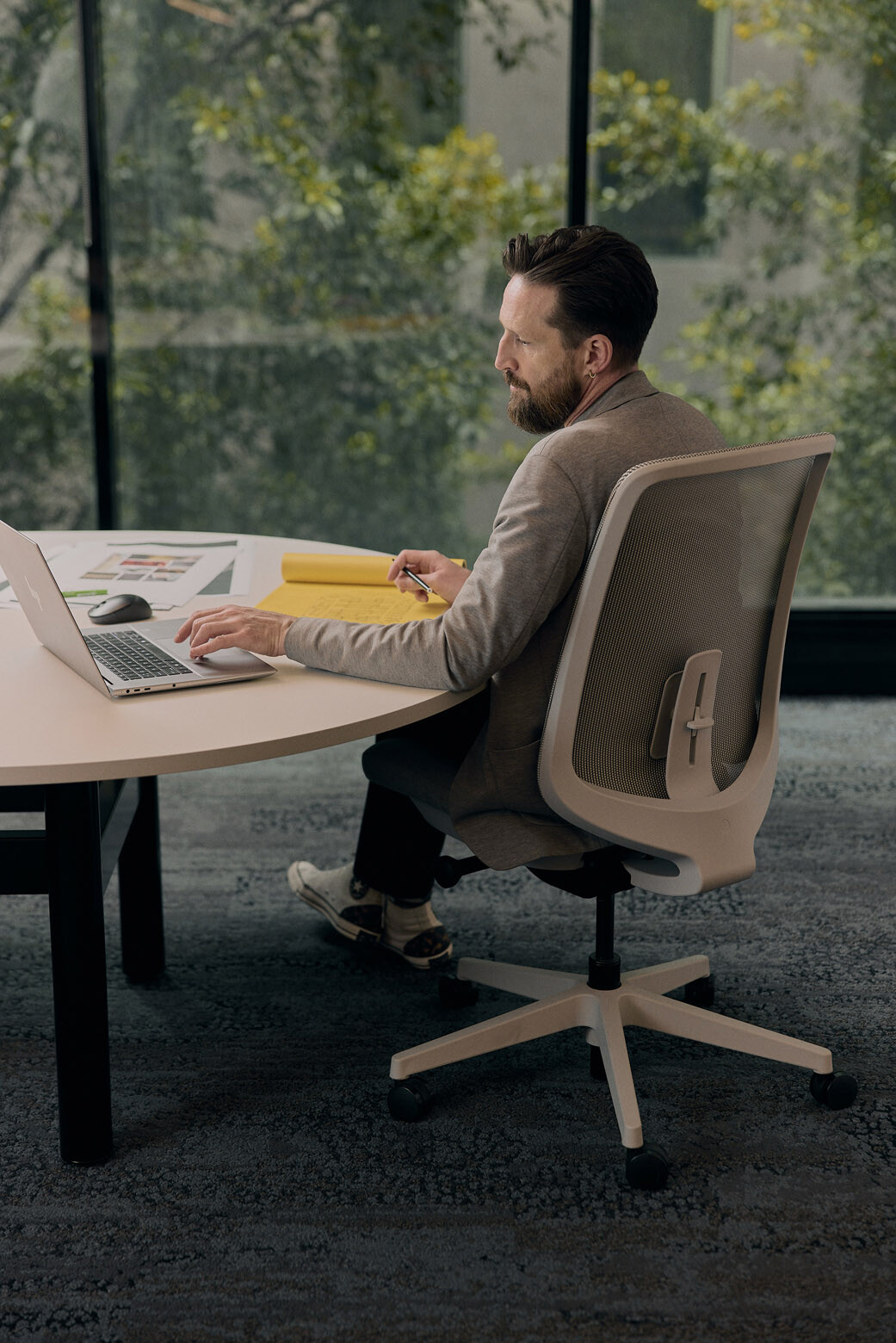
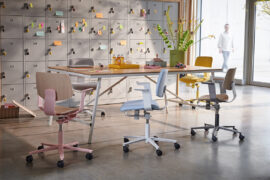
Task chairs transformed from personal tools assigned to specific individuals to a shared utility as part of a broader constellation of stools, benches and lounges that let bodies move, postures shift and different types of work get done. At Gray Puksand’s studios, this diverse seating strategy means pairing the quiet reliability and ergonomics of primary task chairs with the intuitive ease of Herman Miller’s Cosm stools in the collaborative zones and the front-of-house areas. Versatile, approachable and comfortable, Cosm’s sleek, modern form acts as a visual bridge between utilitarian design and more adventurous pieces, both contrasting and complementing Verus’ traditional profile.
“Together, they create a layered environment that supports various work modes, from spontaneous discussions to focused tasks, ensuring our teams are well-supported throughout their day,” Dale explains.
Smooth sitting
He adds that within this diverse constellation of workplace seating, ease remains essential – regardless of setting. “You need less friction,” Dale says, pinpointing the exact metric of a successful task chair. “Anyone should be able to pull it up and jump in and out of it, whether they’re there for a whole day or just five minutes.”
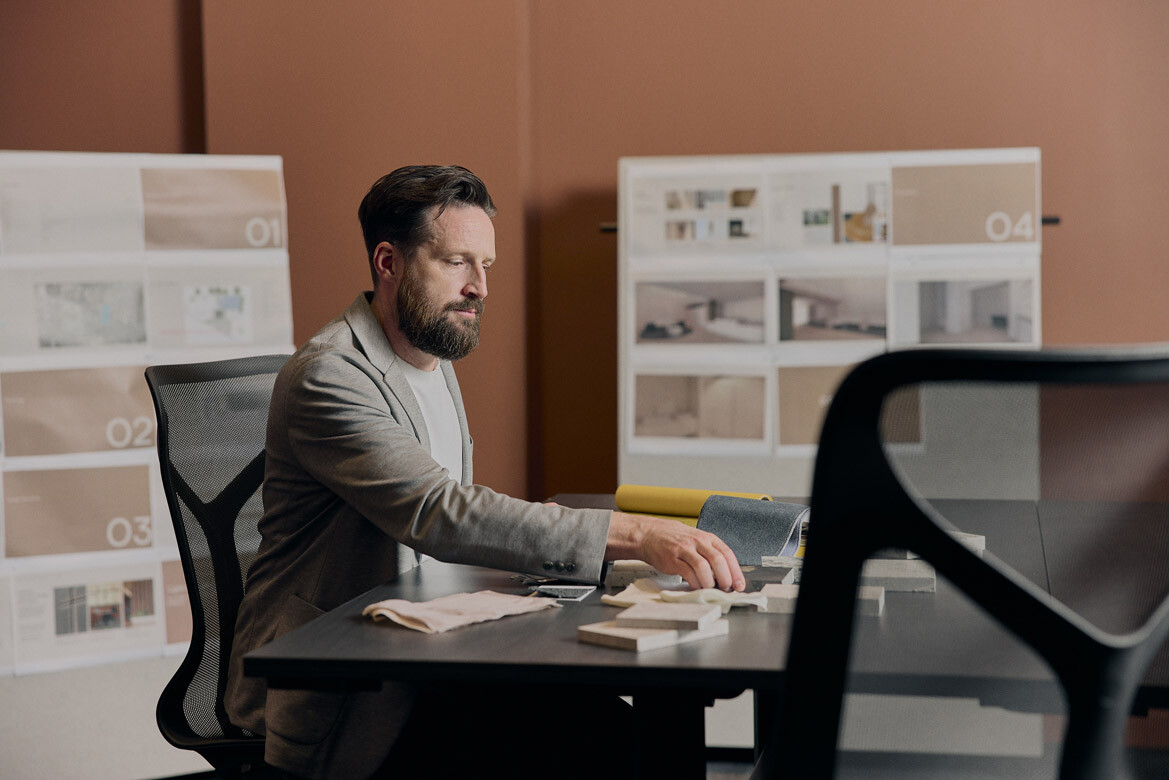
Cosm stool’s intuitive nature fits right in with this frictionless philosophy. “Because it instantly adapts to each new user’s posture without manual adjustments, it removes a subtle but significant barrier to shared seating,” Dale explains, noting the stool’s automated tilt keeps workflows fluid, the energy in the room high and collaboration seamless. “This ease-of-use means team members can quickly ‘jump in’ and feel supported without thinking twice.”
This mandate of ease extends across the entire studio to the primary workstations – no matter how long you sit in a chair, it has to feel good and it can’t be complicated. That’s precisely why, Dale points out, historical OHS metrics that prioritise five or six points of adjustment – common in corporate and government departments – are increasingly inadequate in shared work environments. “You need the chair to have as few touch points as possible to get into a relatively comfortable position fast,” Dale says. “If you have to spend five minutes getting it right, it becomes too difficult.”
To sit well, then, is to sit easy. And the task chair has to be adaptable, intuitive and comfortable for the vast majority of people – without asking much of them in return.
The democratic choice
And so, when it came to selecting the primary chairs for Gray Puksand’s own studios – hybrid workplaces with no assigned seating – the firm opted for a democratic selection process, putting the choice between several options from leading suppliers in the hands of the people who would use them daily.
It’s an approach Gray Puksand often recommends on its workplace projects because task chairs are probably the one thing everyone will see, touch and use. “It’s the best way to ensure most employees will genuinely enjoy using them,” he adds.
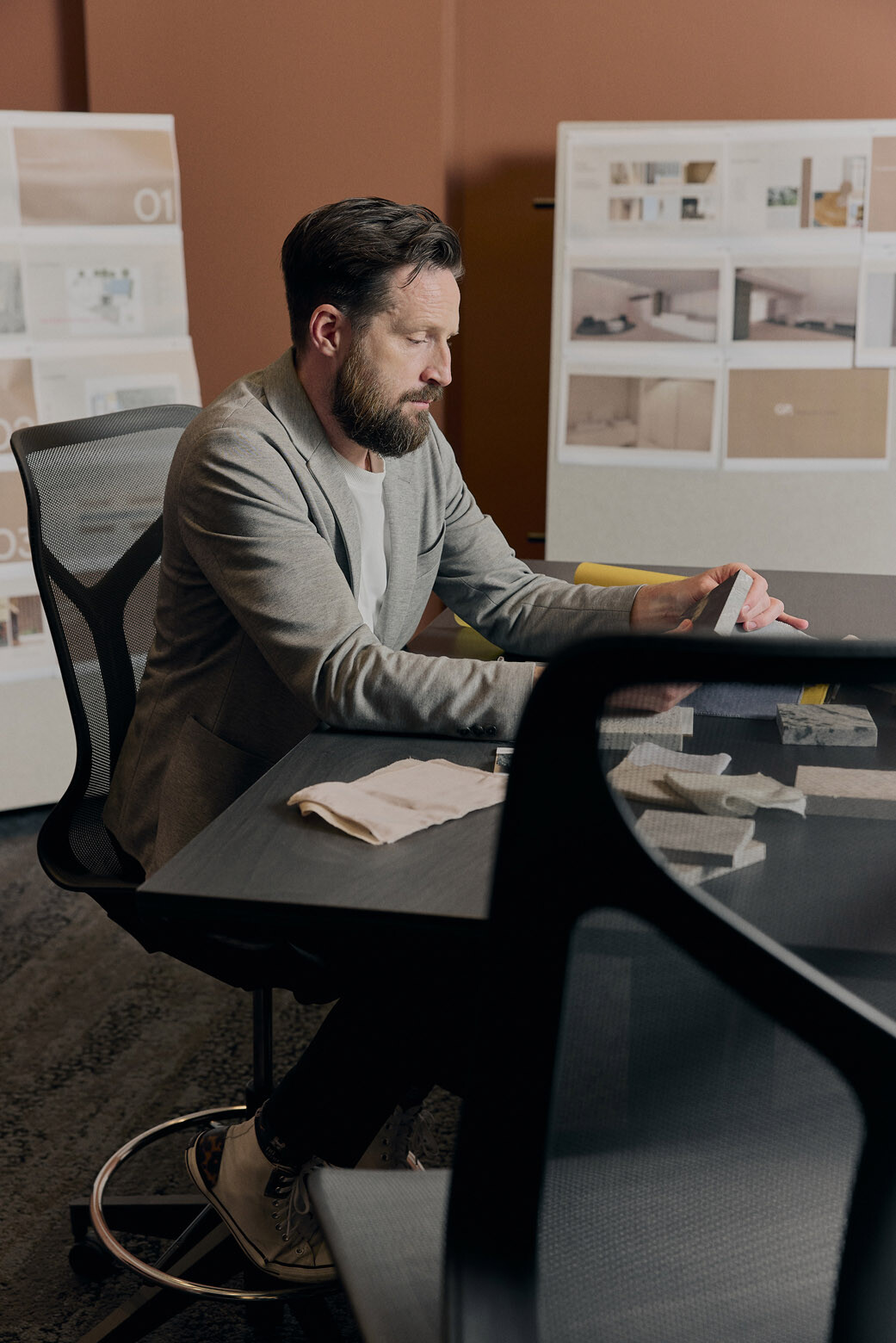
Verus: chosen by majority rule
And that’s precisely how Verus became Gray Puksand’s primary chair: it was chosen by the people.
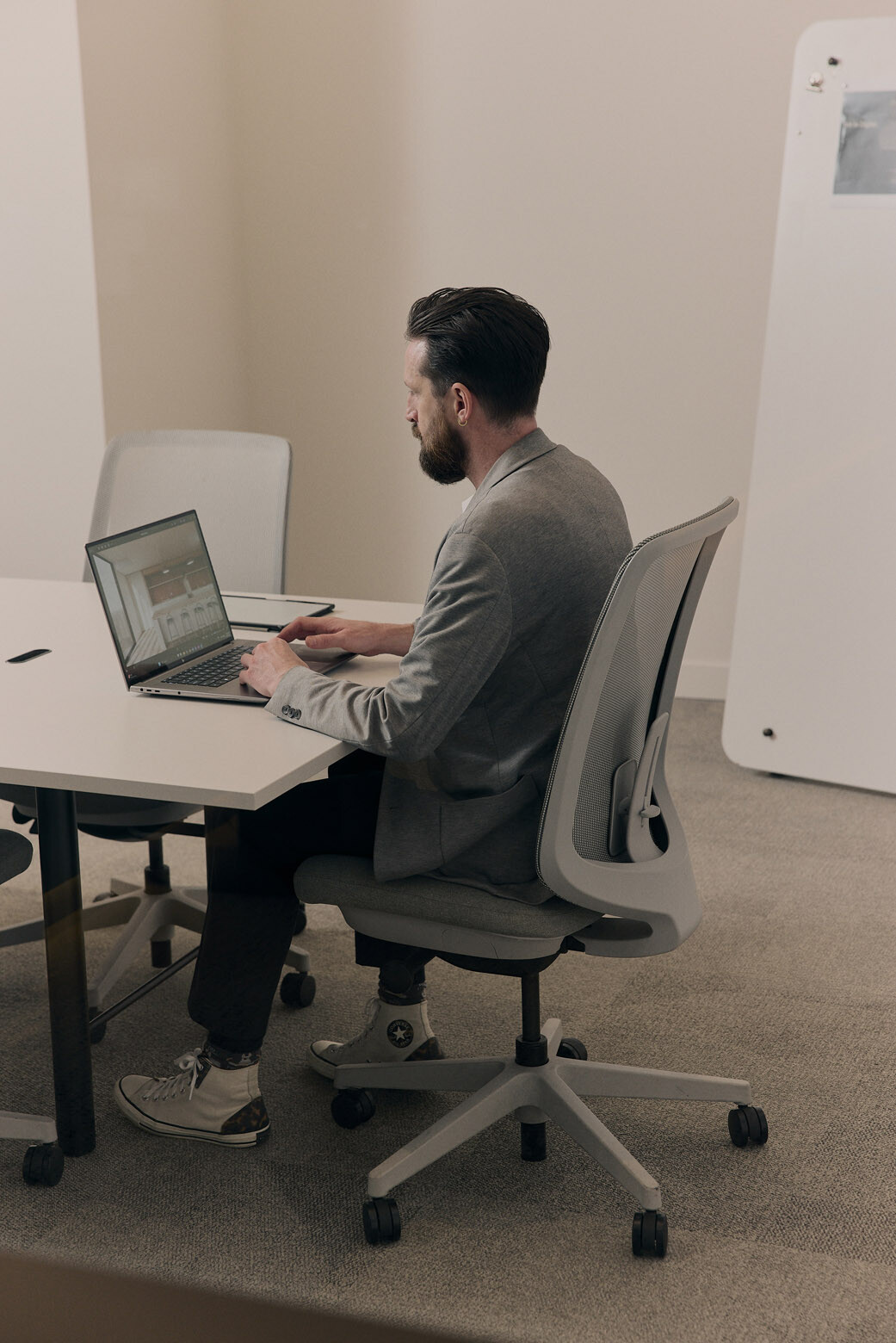
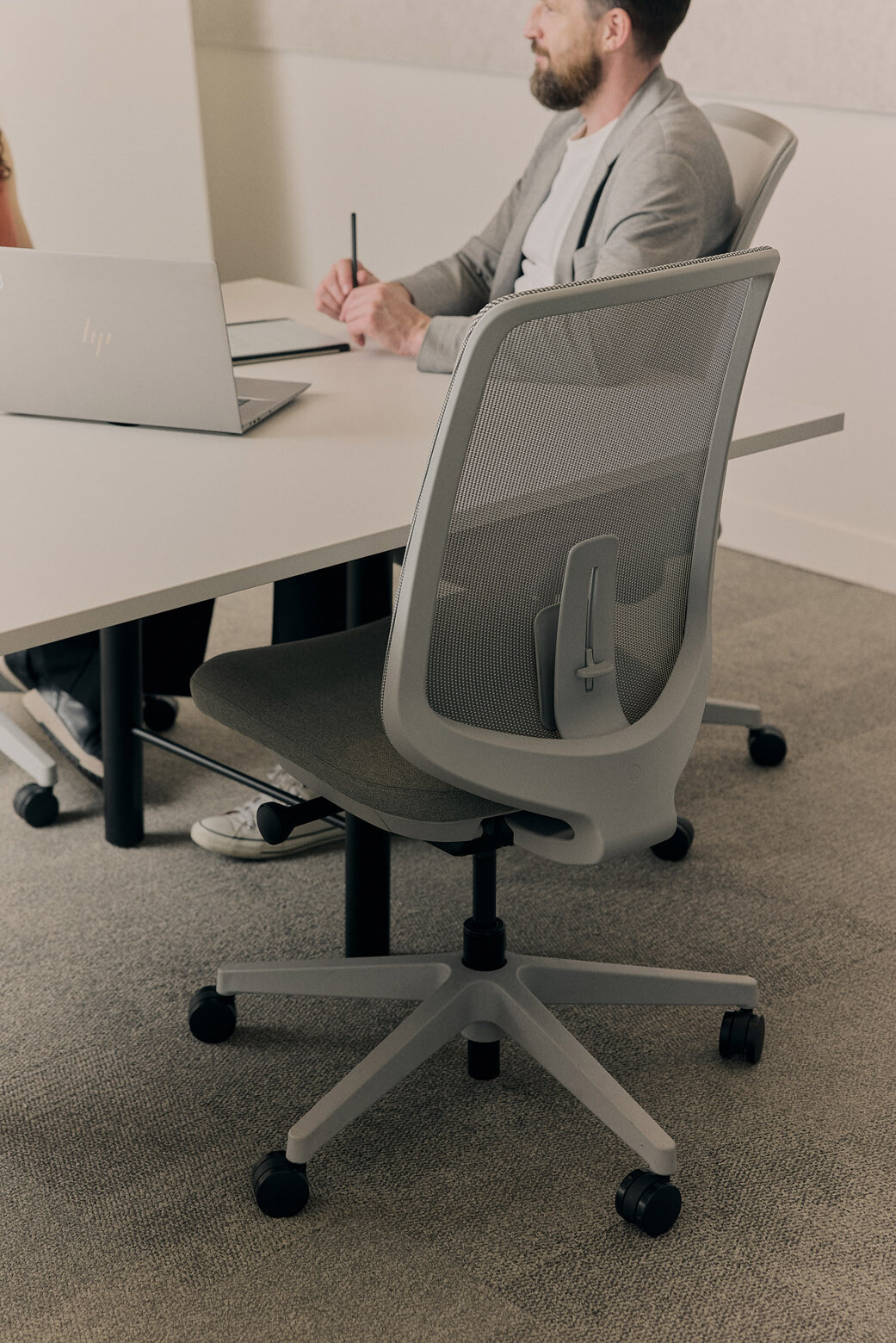
This shouldn’t come as a surprise – Verus is a workhorse of the modern workplace. With integrated PostureFit technology that helps prevent fatigue and a flexible back designed to respond to the body rather than restrict it, the chair ensures total spinal support while keeping people balanced as they move with the synchronised tilt.
Dale’s team also cited the chair’s lightness, comfort and the inconspicuous “waterfall edge” of the seat pad that prevents the design from cutting into the legs – small, expert details that cater to the human form without requiring a manual to understand or set up. “It’s a really approachable, easy-to-use chair that works within our budget and for us as a business,” Dale says. “People sit down and find things intuitively. It’s a really simple metric, but it’s not hard to get right if you prioritise the human.”
Sitting easy, for life
But sitting well is not just about sitting intuitively – it’s also about how long the chair is there for you to sit in. Especially since, as Dale points out, commercial fit‑outs turn over far more frequently than the buildings that contain them – and bulk items like task chairs can quickly become a problem.
“If those products have outlived their purpose in ten years and had a great life, that’s fine,” he says. “But if they can’t be diverted from landfill, that’s problematic.” An early adopter of green building standards, Dale frames this as part of designers’ duty of care. “If we can have an honest conversation with clients about lifecycle cost and investment, sustainability doesn’t have to cost the earth,” he says.
This is where Verus’ considered presence makes another quiet impact. The unassuming chair that challenges the outdated relationship between comfort and complexity that still dominates certain typologies also defies the convention of wasteful fit-outs. Reflecting Herman Miller’s deeply-rooted commitment to sustainable design, this attainable task chair not only uses up to 50% recycled materials but is also 90% recyclable at the end of its life, reframing a simple procurement choice as a considered and enduring decision. Because, much like getting a Volvo, you hope not to need another one for many years.
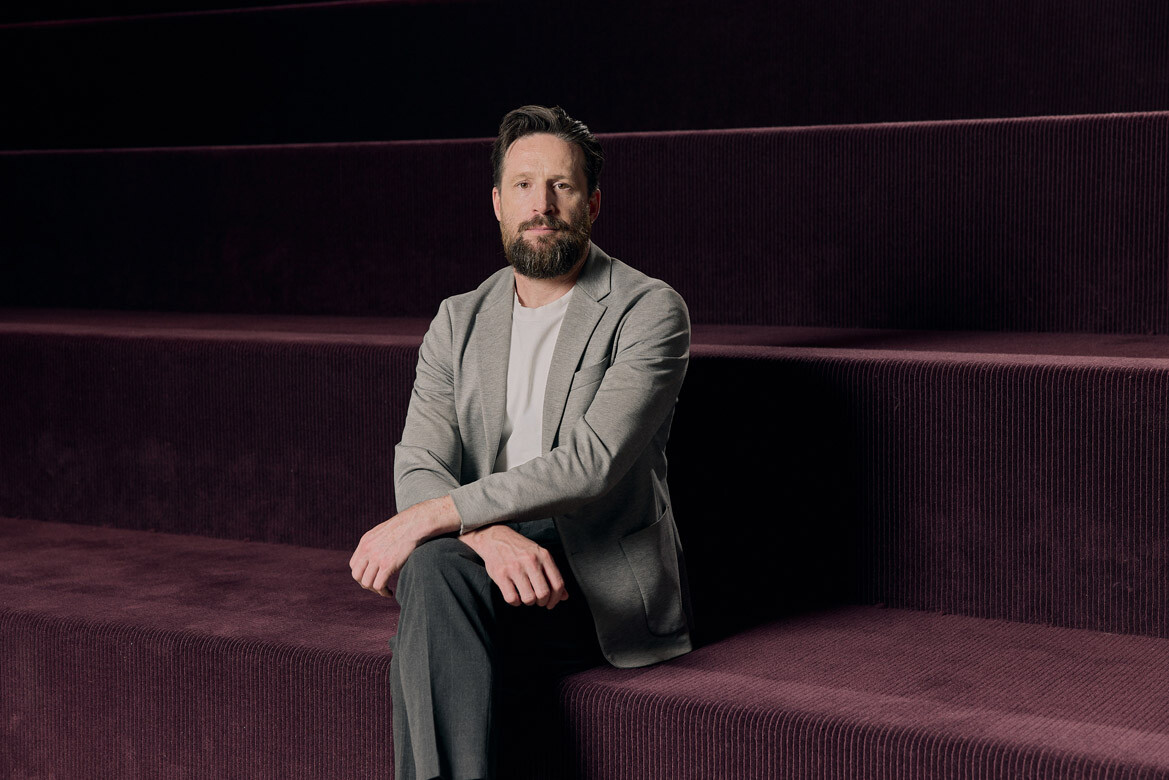
“It will probably be a long time before we need to select the chairs for the practice again,” Dale concludes with a smile. “So, it was important to get it right. It’s about supporting the partners who do genuinely good work in this space.”
A shared standard for sitting your best
Dale’s insightful perspective highlights a fundamental shift in how we think about seating. No longer defined by adjustment points or technical complexity, sitting well is instead measured by inclusive ease and intuitive comfort. And, more often than not, this standard is delivered through a layered constellation of seats rather than any one single chair.
Supported by the energising spontaneity of the Cosm stools, Verus’ quiet reliability anchors this dynamic workplace in Herman Miller’s long-standing philosophy: that a chair should adapt and respond naturally to whoever sits in it, enable movement, and offer total, lasting spinal support without demanding anything in return. In that sense, Verus doesn’t stand apart – its democratic appeal reflects a consistent belief that good design shouldn’t merely work for everybody and every body, but make sitting your best effortless for all.
Click here to locate your closest Herman Miller dealer and learn more about the Verus chair.
INDESIGN is on instagram
Follow @indesignlive
A searchable and comprehensive guide for specifying leading products and their suppliers
Keep up to date with the latest and greatest from our industry BFF's!
The internet never sleeps! Here's the stuff you might have missed