The home of architecture and design in the Asia-Pacific
Get the latest design news direct to your inbox!

Get the latest design news direct to your inbox!
In the second instalment of our performance seating three-parter, we turn to DKO’s Michael Drescher and Jacob Olsen to peek behind Sayl’s confident architectural form and explore the ideas of inclusivity, adaptability and freedom to move as hallmarks of what sitting your best actually means.

April 30th, 2026
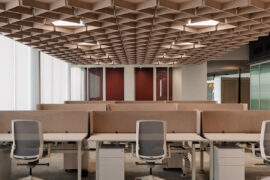
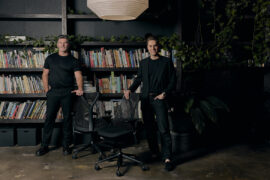
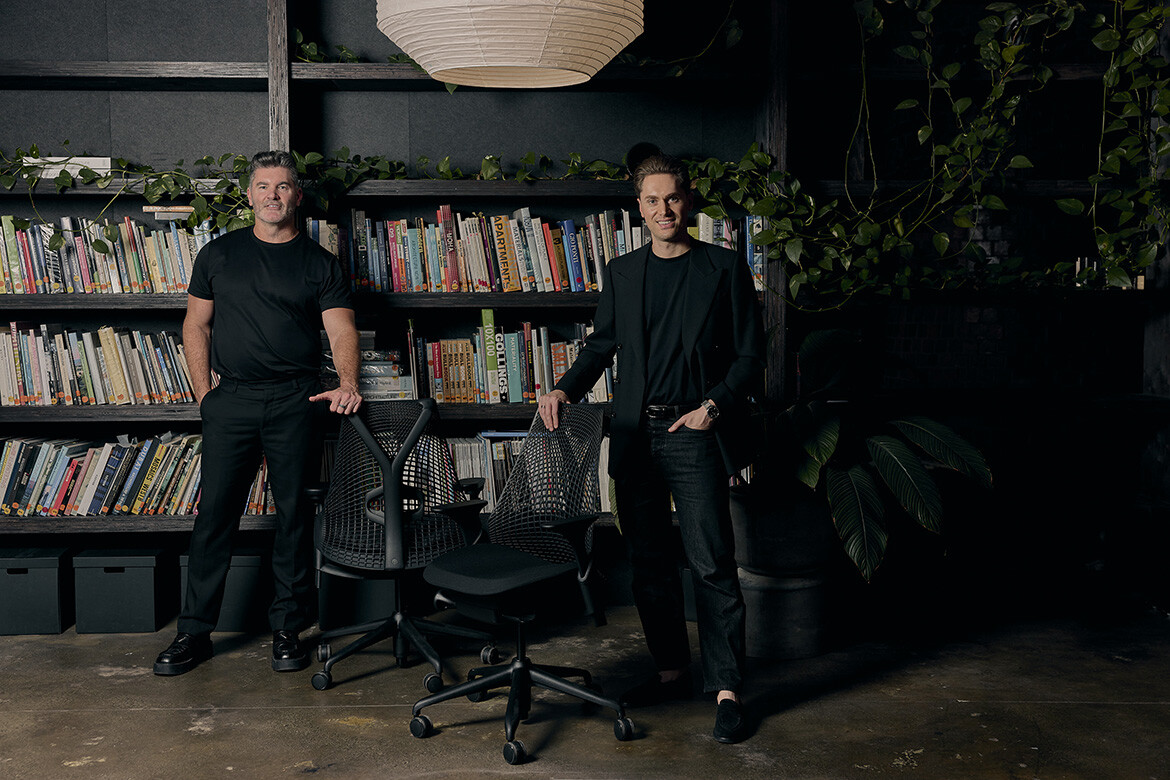
Jacob Olsen, an Associate with DKO, is in the Melbourne office, leaning into the screen on his black Sayl chair. Michael Drescher, DKO’s Partner – Interiors, is calling in from a Brisbane office meeting room, rows of that familiar sail-like form stretching out behind him in a gentle shade of grey. Different cities, different offices, different colours, the same unmistakable silhouette: an eye-catching seat akin to a piece of light engineering, rather than office furniture.
Designed by Yves Béhar, Sayl’s award-winning suspension-bridge-inspired expression is impossible to miss, anchoring DKO’s collective identity with consistency and instant familiarity.
A designer’s chair
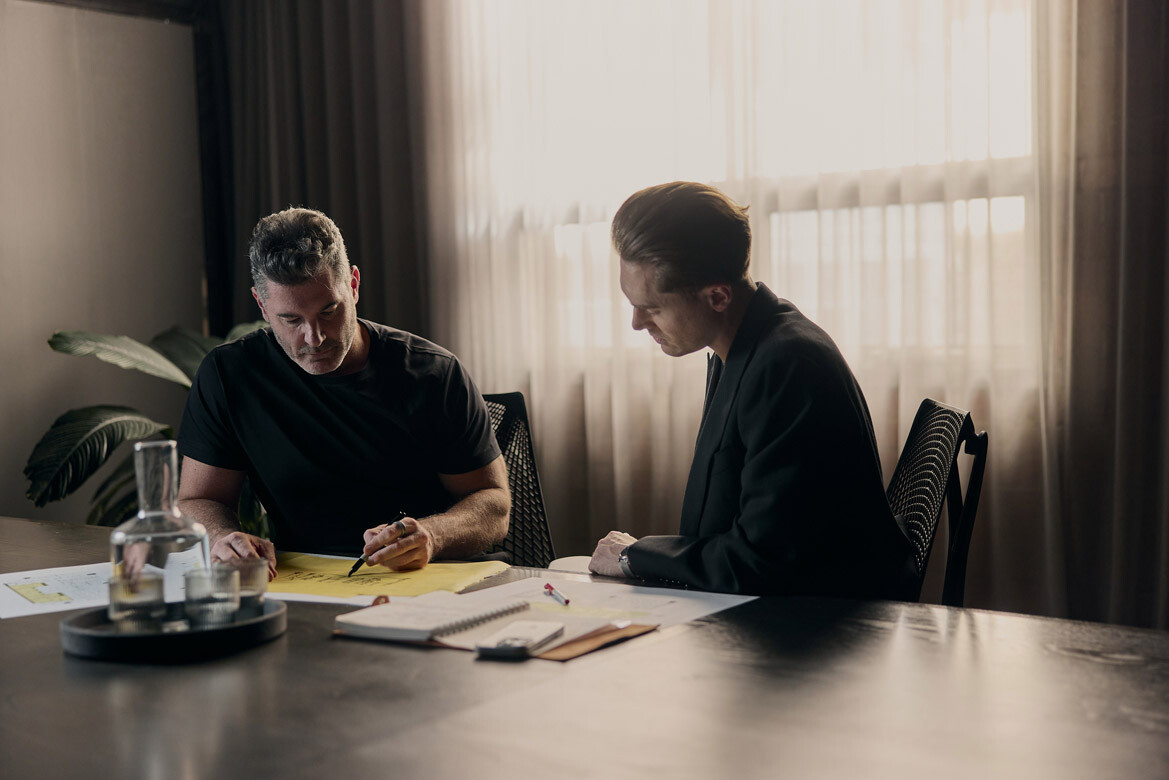
This compelling aesthetic certainly played a part in DKO’s decision to choose Sayl when their Sydney office first expanded over a decade ago. “Because everyone has to sit, it was the first thing we wanted to invest in,” Michael recalls.
With its satisfying visible structure – bolstered by the chair’s attainable price point and robust colour range – Sayl felt like a natural choice for an office of interior designers and architects. But, Michael points out, there is more to this striking form than first meets the eye. “It’s not just beautiful to look at,” he says. “You can actually see how the chair works and where it supports your back. And that, I think, subconsciously makes you sit better.”
Form, function and flexibility
This duality of form and function is why, over a decade since that first specification, Sayl is now the primary chair across all of DKO’s Australian offices. Its lightweight design – equally supportive yet more compact than other iconic task chairs, like the Aeron or Mirra 2 – allows the teams to sit exactly the way they work: flexibly.
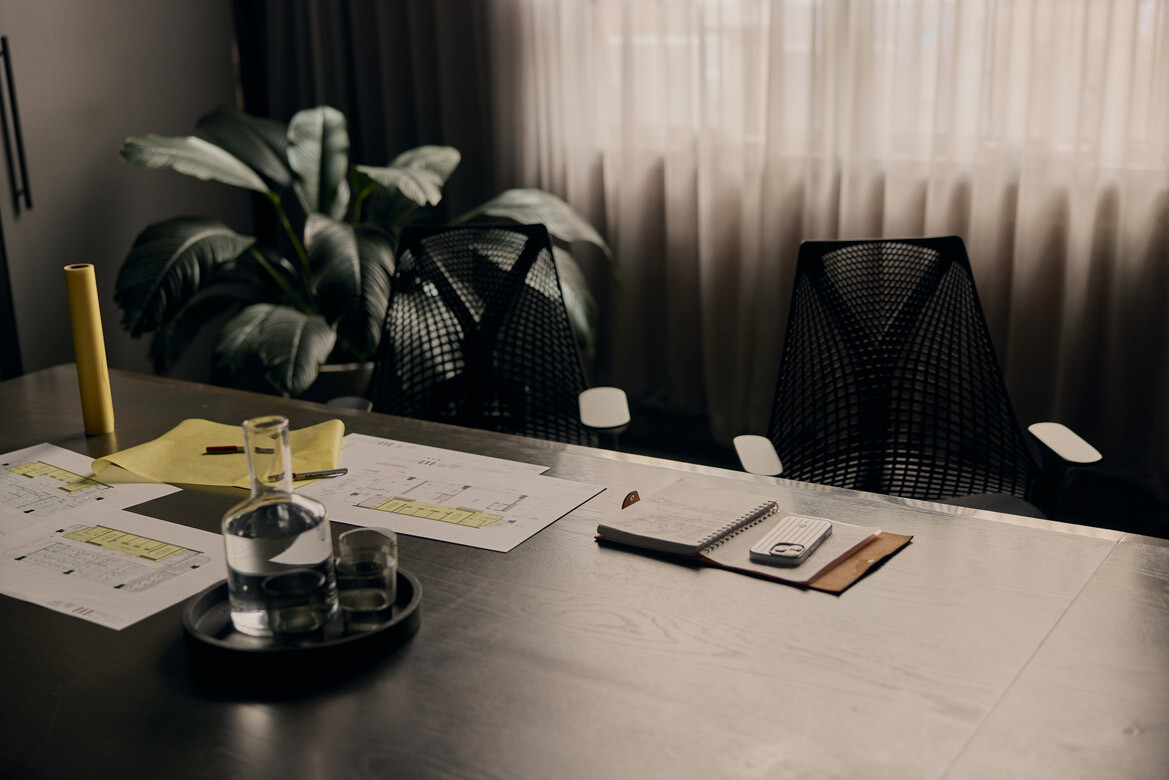
At this dynamic architecture and design firm, no two offices, people, days or even hours are the same. Michael, who travels regularly between studios across the region, sees it play out among all 250‑plus people in the practice.
“We do architecture, interior design, landscape and then obviously have finance, marketing, HR and admin,” he says, adding that while some people might work at one office permanently, others fly in or work part-time. “Everyone’s day‑to‑day is very different and we constantly change how we sit in our chairs.”
Freedom to fly around
His habits? Case in point. “When I talk on the phone, I tend to lean back,” Michael shares, explaining it’s a way to disconnect from the digital interface, take a beat and concentrate on the conversation before he leans forward again to sketch.
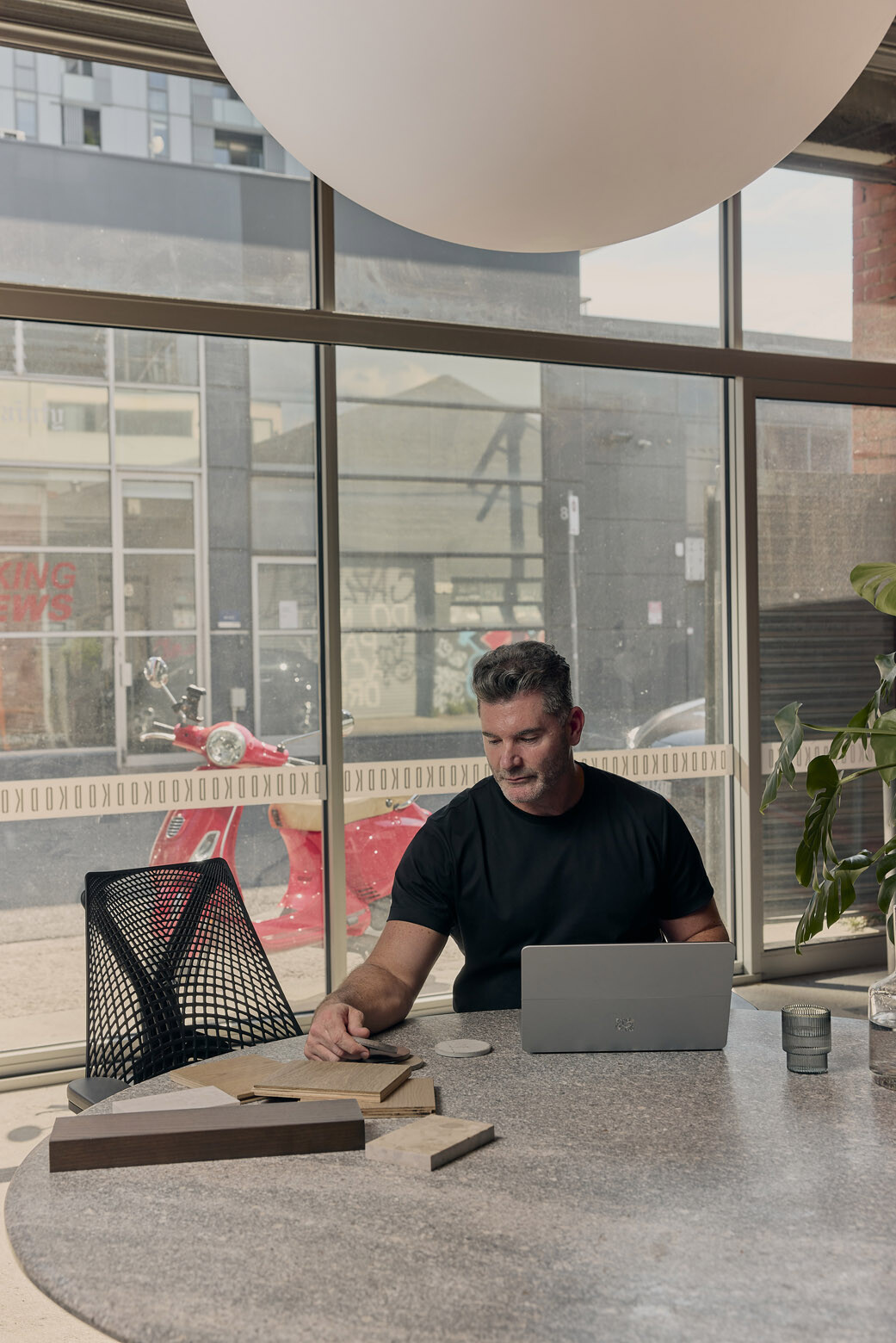
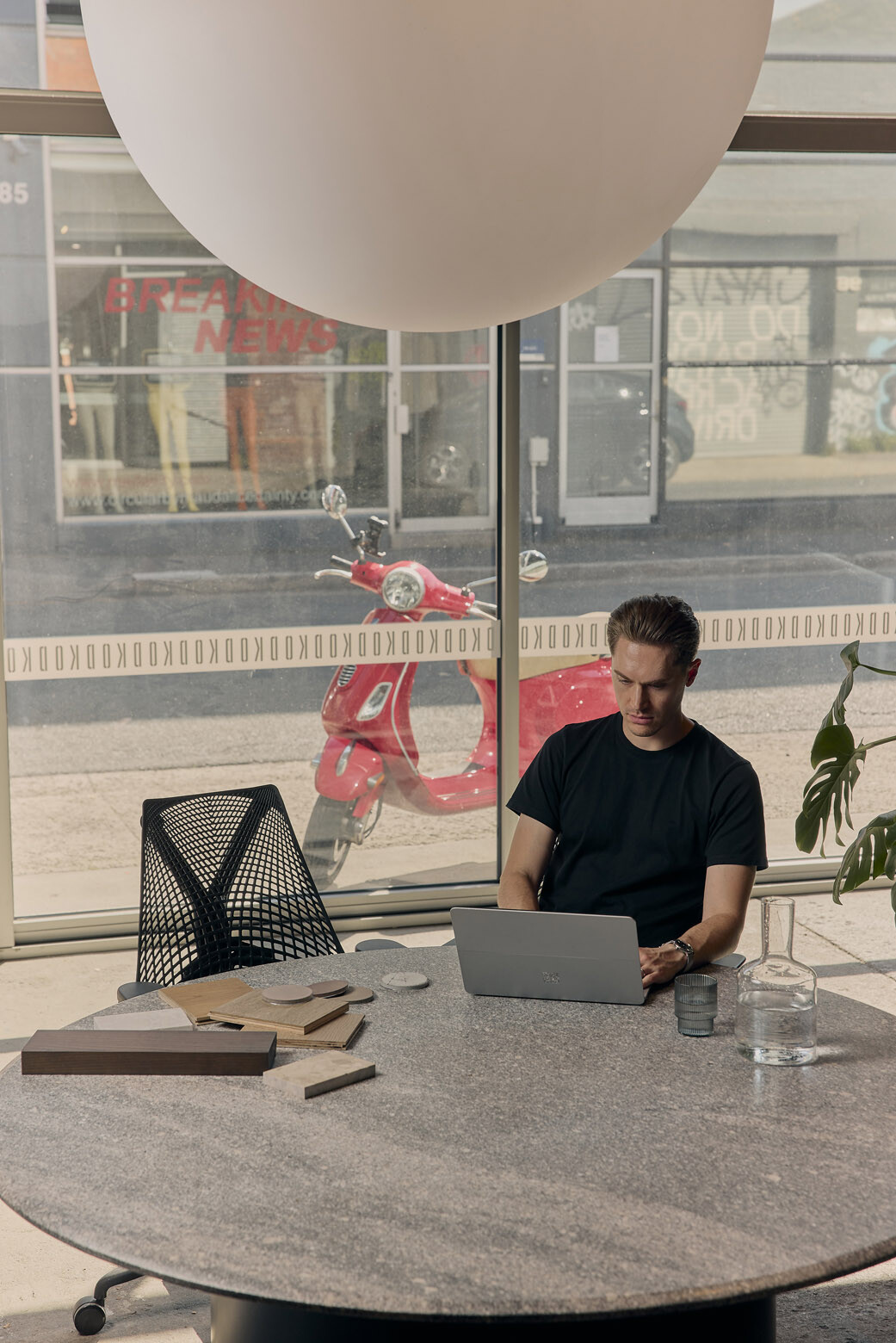
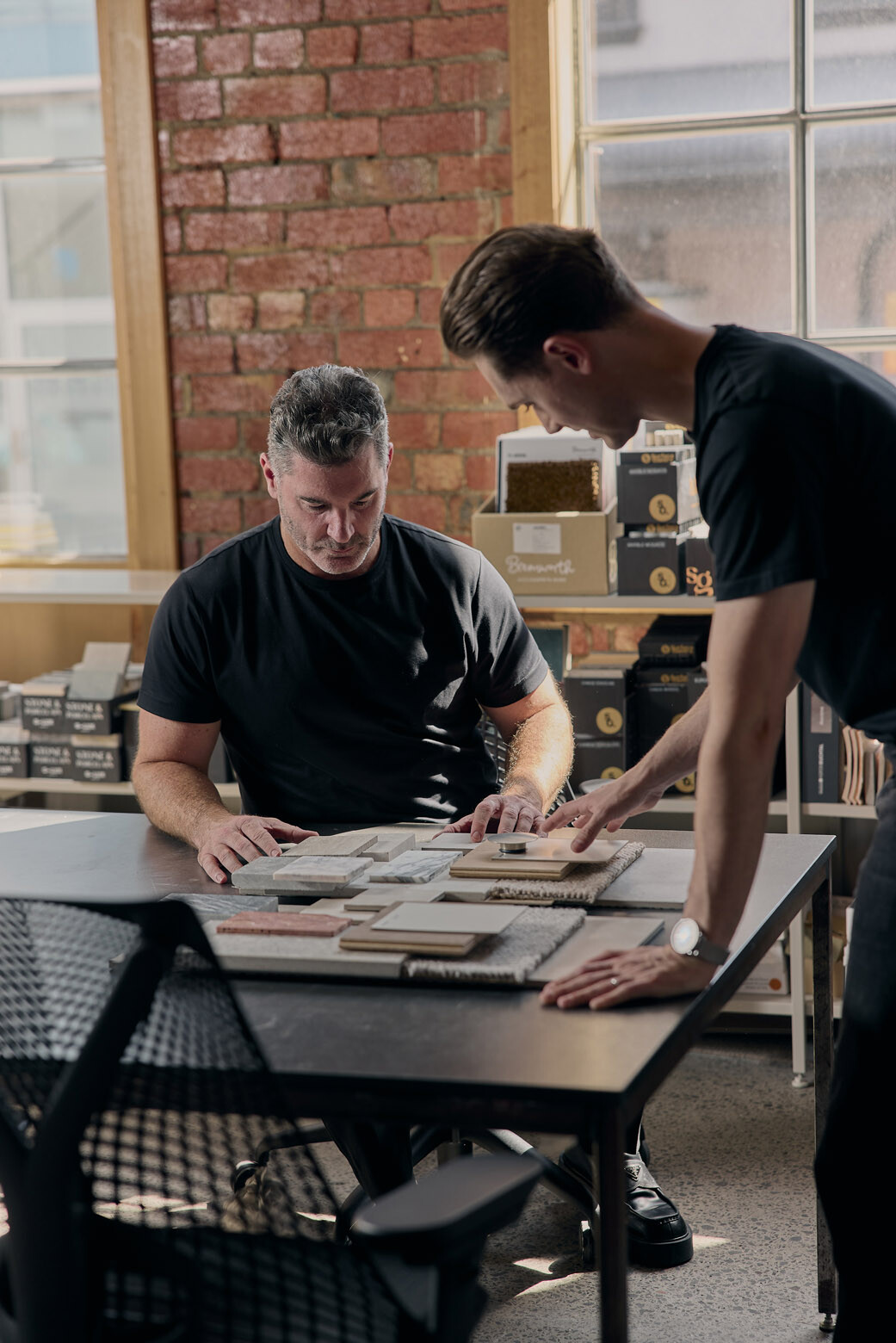
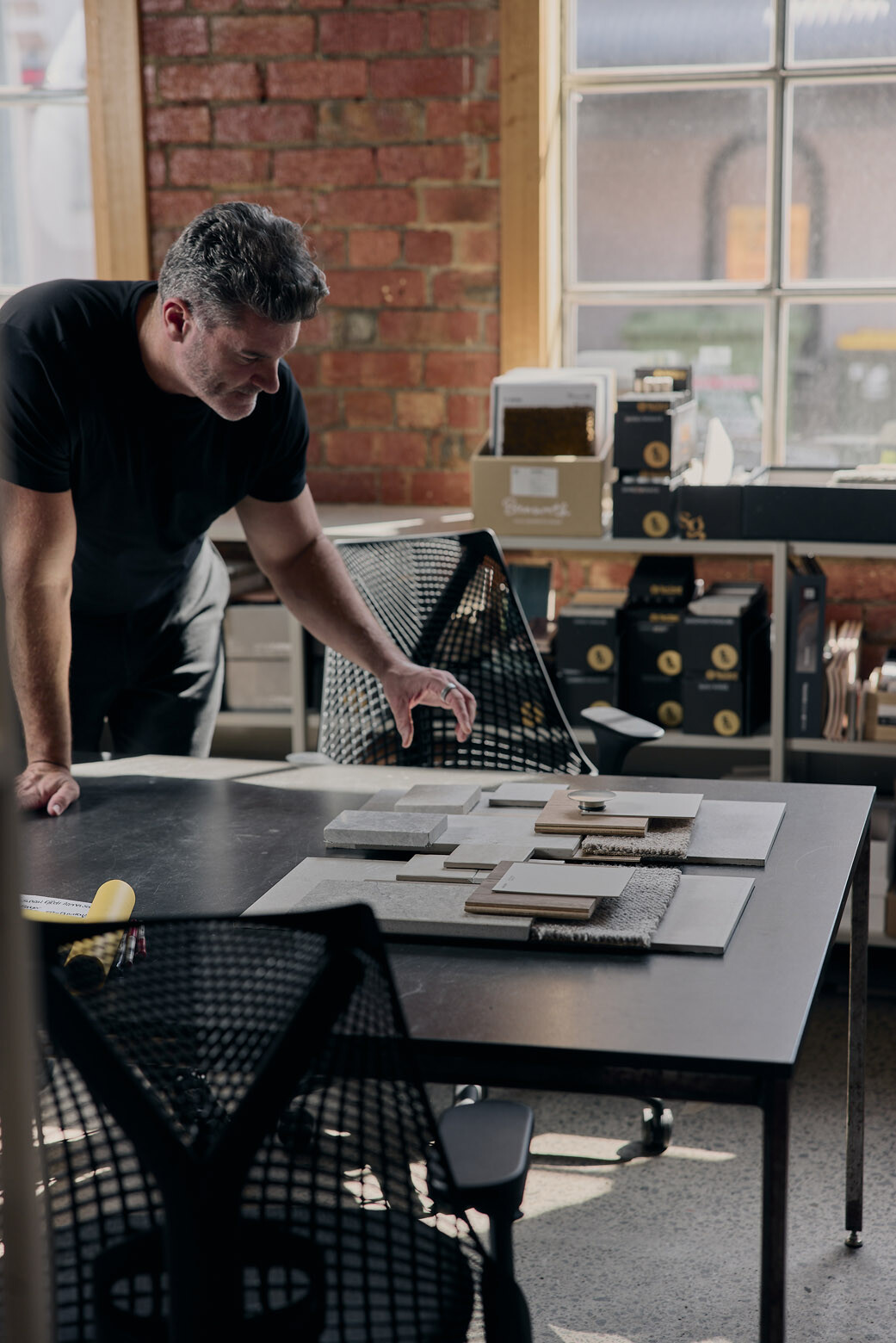
He never really sits in the same position for long, and when he does, he’s not always at his desk. “The interior design team loves to huddle over a material sample or piece of inspiration,” Michael smiles, pointing to an office corner behind Jacob. “They all kind of spin in the chair, pull in, and then they swing around and go straight back.”
While more robust office chairs might limit users to their workstations, Sayl’s lightweight form allows freedom of movement, which, Michael adds, “just lets them fly around.” For Jacob, who spends much of his day managing day‑to‑day projects and pinballing between CAD, documentation, calls and quick conversations with colleagues, this seamless ability to move makes the chair feel like “an extension of you.”
This effortless fluidity – in how the chair mirrors the natural movement of the human body, in how easily it glides across the office floor and how seamlessly it adapts to different tasks – is what both designers point to as the hallmark of sitting your best.
Same chair, different sweet spots
But it isn’t just that Sayl moves – it’s that it moves differently for everyone. “It works for a lot of different body types,” Jacob says of Sayl’s inclusivity. “We all have the same chair and everyone’s able to find their sweet spot.”
That equity cuts across both cities and work styles. Staff who regularly travel between studios can rely on walking into a different DKO office and finding the same seat waiting for them – familiar in feel and open to their own quirks and rituals. For Jacob, Sayl’s few, intuitive adjustments – height, tilt and arms – are enough for each person to easily dial in their own version of sitting well and feel supported.
“The back doesn’t really have too many adjustments; it just has that natural tilt,” he enthuses. “And when I lean back, I don’t have to worry about tweaking lumbar support up or down; the suspension simply adapts to how I move and sit.” And while some can’t imagine their workday without the adaptable support of Sayl’s armrests, he prefers them removed altogether to enjoy even more flexibility to move around.
Adaptable, enduring, constant
Sayl’s capacity to remain the same while each person claims it as entirely their own underpins its long-standing presence in the constellation of DKO offices. Since that first Sydney office specification, the practice has grown and diversified, while the Sayl chairs have simply kept going.
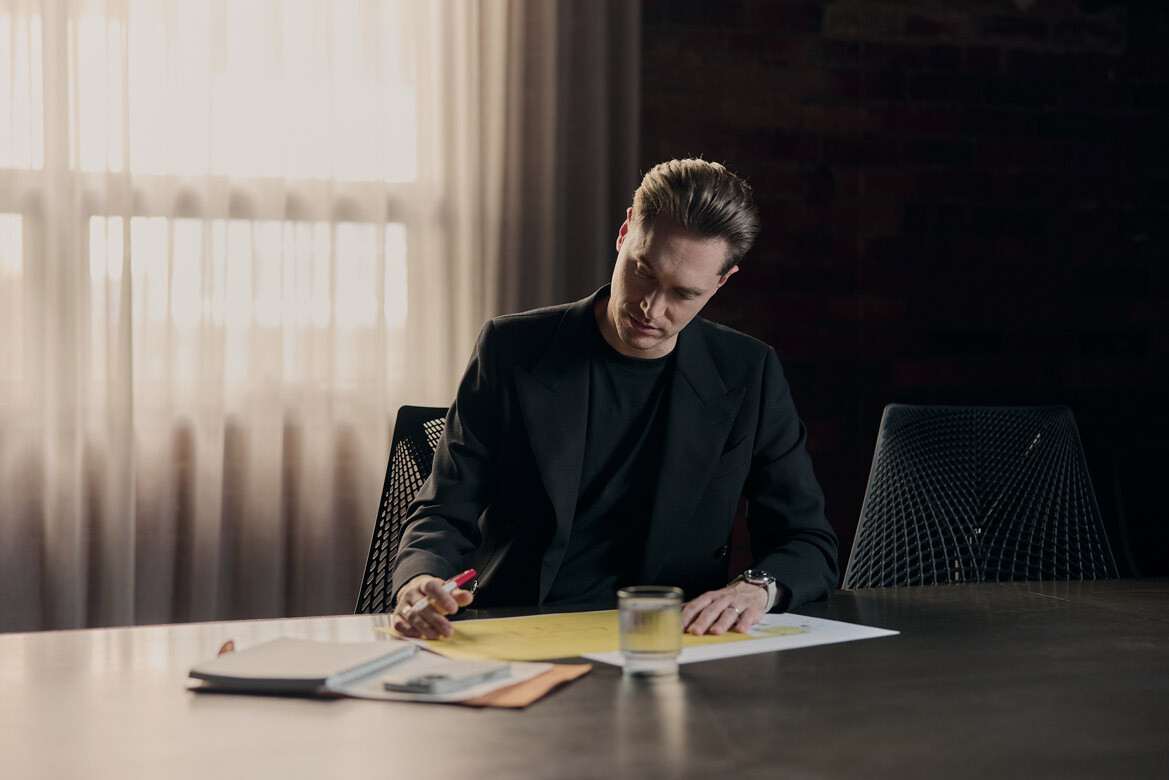
“People swing around on them, lean back in them and lay things on them,” Michael laughs. “They really go through a lot of use every day. So, for them to still work absolutely fine after 10 years is pretty phenomenal. I can’t think of one instance where we’ve had to have one serviced.”
This first-hand experience of Sayl’s enduring resilience also shifts the tone of DKO’s conversations with clients. “When we recommend Sayl or other Herman Miller pieces for projects, we’re talking from lived experience,” Michael explains. “For us to be able to say, ‘We’ve had these chairs for 10 years,’ is a real testimonial to both Sayl and Herman Miller.”
Buy once, buy well
That durability naturally spills into a broader conversation about sustainability and lifecycle – something DKO has been formalising through its own internal sustainability working group and making a staple of all client engagements. For them, specifying a chair that lasts and can be repaired rather than replaced is an essential environmental choice. “The idea is you buy it once and buy it well,” Jacob says. “That’s how we can all play a small role in being more sustainable.”
Innovations like Sayl’s dematerialised design or the inclusion of ocean-bound plastic into some of the chair’s components also yield a tangible, almost disarming story to tell. “It’s a great conversation to have with clients who probably never think that plastics out of the sea can make an office chair they sit in,” Michael enthuses.
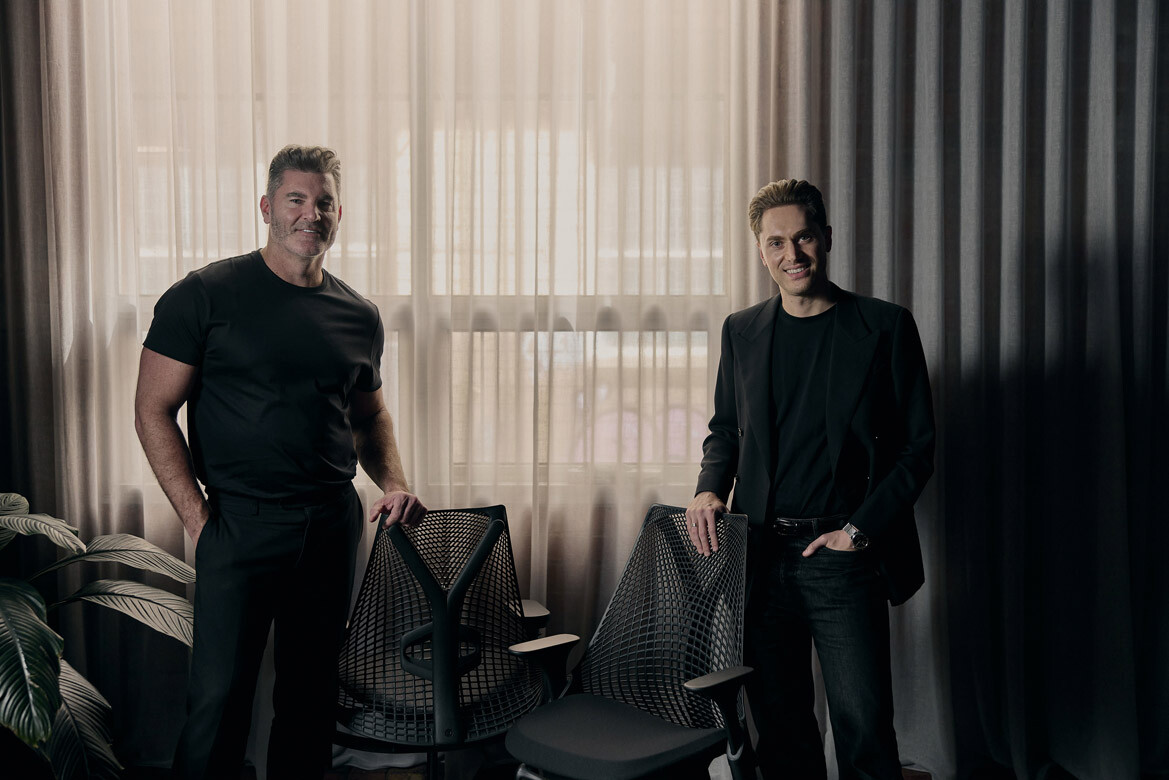
And so, while Sayl’s strong aesthetic might be just the thing that first seduces the collective design sensibility, the chair reveals itself to be so much more than an object of form. “It’s the best balance of practical, beautiful and usable,” Michael says. A decade on, across different cities, bodies and ways of working, that balance is what keeps the same striking silhouette a dynamic constant across DKO’s offices. Whether it’s tilting back comfortably or gliding between desks to share a spark of inspiration, Sayl seamlessly supports DKO’s people as they sit their best and move – sail, flow and fly – through their workday.
Click here to locate your closest Herman Miller dealer and learn more about the Sayl chair.
INDESIGN is on instagram
Follow @indesignlive
A searchable and comprehensive guide for specifying leading products and their suppliers
Keep up to date with the latest and greatest from our industry BFF's!
The internet never sleeps! Here's the stuff you might have missed