The home of architecture and design in the Asia-Pacific
Get the latest design news direct to your inbox!

Get the latest design news direct to your inbox!
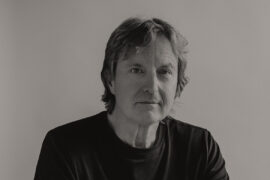
Indesignlive speaks to Campbell Boyer of Spore Furniture + Product Design about his design philosophy and latest products.

April 20th, 2011
Could you tell me a bit about Spore as a company – when was it founded and what was the original philosophy?
I started Spore in 2007. I intended to produce thoughtfully designed furniture and products that consider ecological impact at a price point accessible for the low to medium market. Price point was very important to the Spore brand, though it hasn’t ever eclipsed the importance of quality and sustainability. The first few products I developed mixed some modern manufacturing processes with traditional timber materials and techniques to achieve an economical product (though it is a constant struggle to keep cost down while making by hand in Australia).
How has the company changed and developed between now and its inception?
I think I’ve managed – more or less – to stick to Spore’s original philosophy despite commercial realities suggesting otherwise.
Recently I’ve been trying to design the customer’s experience rather than the customer’s product – a reaction against the prevalence of ego-driven, self-centred design. I call it ’design from designers for designers’. This means Spore products will be more convenient and practical for the customer in terms of assembly, packaging, customer service, and end-of-life stewardship. I reckon soon it’ll be quite normal for all products consumed to have their experiences designed to a tertiary level.
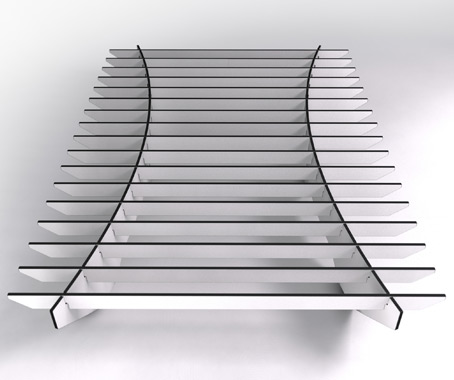
Flat Pack Bed
Your commitment to sustainable, reliable design is impressive. Can you tell us a bit about your approach?
I think ’sustainable’ is a really difficult word to use. If I use that word I feel I need to qualify its usage to dispel people’s conception, or misconception, that a product can indeed be fully sustainable – at least in this early stage of sustainable design. I think considered design is a better descriptor of Spore’s approach.
’Sustainable’ is a very black and white term that addresses a big grey area. There are really many different valid approaches to achieving sustainability and I’m wary of people who communicate a very simple understanding of a complicated subject. Very few people are properly qualified to comment. Most people, like me, are working with their own self-made intuitive approaches. The people who shouldn’t be using the word ’sustainability’ are those who lack real respect for the importance and depth of the concept. Besides, I believe it’s very possible to have a sustainable product but not at our unsustainable level of consumption. In this sense we need to design more sustainable consumption – not products.
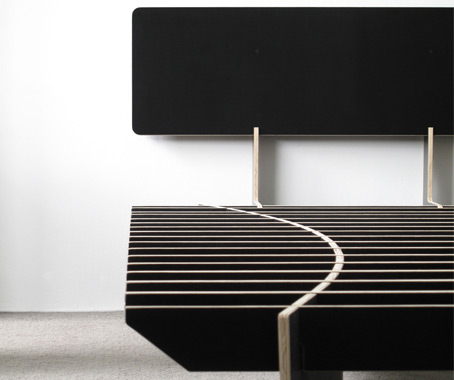
Flat Pack Bed
Do you find it empowering? Is contemporary furniture/product design quite ready to fully embrace this approach?
I’m not sure If I would call it empowering, but it’s far too important to ignore. I get the feeling that people will look back at our generation with either admiration or disbelief that we design and live the way we do now. I want to design for their admiration. I object when designers talk about sustainability as though we’ve already achieved it. Our attitude to sustainability will change as we become more knowledgeable – our ignorance and arrogance will be much more obvious.
I design Spore products for the techniques available and suitable for my batch production. These tend to be pretty low tech, which is good for embodied energy. I really only feel restricted when an amazing green finish or process is only available or economical in large quantities.

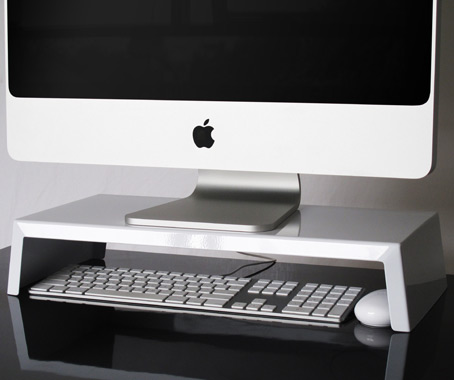
Fixie Monitor Stand
What’s next for Spore?
My girlfriend and I are going overseas for about a year. Melanie is also a designer and we hope it will give us some great experience. I’m keen to learn some new and old approaches to design and to try to make Spore more globally conscious. But as far as Spore products go, the line-up will probably stay where it is for a little while. Long-term I still have a lot of ideas for Spore that as yet I haven’t fulfilled so hopefully I will be just as motivated for Spore when we get back.
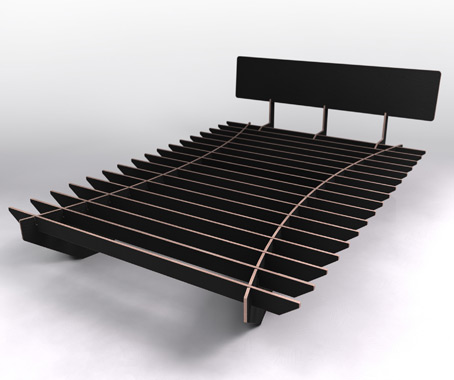
Spore Furniture + Product Design
spore.com.au
INDESIGN is on instagram
Follow @indesignlive
A searchable and comprehensive guide for specifying leading products and their suppliers
Keep up to date with the latest and greatest from our industry BFF's!
The internet never sleeps! Here's the stuff you might have missed