The home of architecture and design in the Asia-Pacific
Get the latest design news direct to your inbox!

Get the latest design news direct to your inbox!
How did Flashdance (yep, the film) help spark a successful creative career? Find out as we talk shop with one of Melbourne’s leading lights in industrial design.




Cindy-Lee Davies, Lightly, Australian design, industrial design
When and how did you discover that design was your calling?
My older brother taught me to weld at a young age and we used to ride our bikes to the dam and make ashtrays from clay. By age 19, I had a studio in a scrap metal yard after watching Flashdance too many times. The turning point for me was discovering a book about Shiro Kuramata in a café and realising that making things could be a career. Next thing I had enrolled into furniture design at RMIT in Melbourne.
Tell me a bit about the origins of Lightly, and what projects you’re excited to be working on currently.
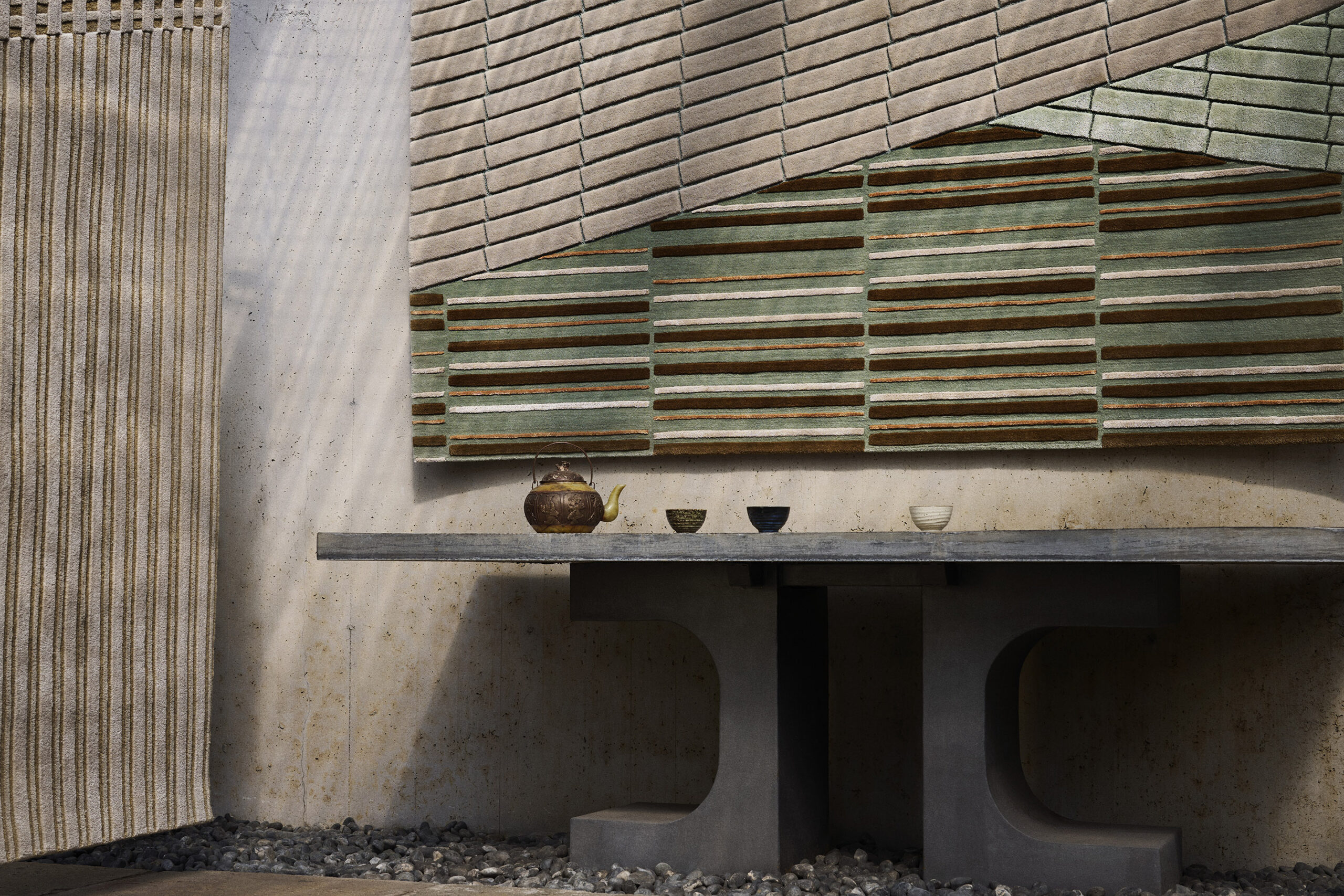
I began Lightly in 2005, after working in the lighting industry as an architectural consultant for brands like Flos and Fontana Arte. Lightly has evolved into a broad product offering that spans the full spectrum of interior design. I’m excited to be on the precipice of launching our new collection ‘Le Jardin’, a bold and intrepid journey of colour and form. We have become a brand partner for Muuto in Australia, and we are presently turning the upstairs gallery into an extended furniture showroom in Collingwood.
As a successful female designer and business owner, what are your thoughts on gender equity in the local design scene?
There are some incredibly talented and fearless women within the design industry. I believe it’s important to celebrate female talent, and I long for the conversation to shift from men or women in design, to people in design, as I’ve come from a breed of women who’ve always stood on their own. I started Lightly in homage to my grandmother Rosemary Estelle Lightly, whose memory and strength of character continues to be of incredible influence to me.
What defines contemporary Australian design for you?
I believe that contemporary Australian design should be authentic, original, carefully considered and grounded in functionality. I think our isolation drives designers to seek out adventure to spur us forward and achieve our passion.
What are the big shifts in approach or design thinking that you’ve seen in your time in the industry?
Technology has bridged the gap in our isolation as Australian designers, and allows us all to embrace a global proposition. There is also a growing emphasis on imagery. When we started you could simply send ‘cut out’ shots to press for editorial, now we seem to be shooting more campaigns and life style imagery.
Is there a piece in your body of work that you particularly treasure? (Perhaps representative of a process that led to an unexpected resolution, or a fruitful collaboration?)
In ten years, I’ve designed well over 200 objects, spanning home, living and lighting. I think each collection tells a different story and has a hero product that I hold dear. I guess the key driver for me as a designer is to keep evolving and exploring new materials, forms and build on relationships with artisans to get our product realised. The whole process is as important to me as the end-product.
What are your design pet peeves?
Replica furniture and DIY blogs which tell people to ’buy the original or make it yourself’. When your design philosophy is simple it will be quickly replicated.
Can you elaborate on Lightly’s relationships with artisanal producers, and how these contribute to your practice?
Born from the fond memory of my grandparents, relationships are at the foundation of the business. From the community of artisanal makers who ensure quality and considered production, to our customer service team who manage the needs of customers, relationships remind us of what’s important.
INDESIGN is on instagram
Follow @indesignlive
A searchable and comprehensive guide for specifying leading products and their suppliers
Keep up to date with the latest and greatest from our industry BFF's!
The internet never sleeps! Here's the stuff you might have missed