The home of architecture and design in the Asia-Pacific
Get the latest design news direct to your inbox!

Get the latest design news direct to your inbox!
How does design impact all elements of our communal and individual living conditions? Here we ask Gaggenau about the secret to innovating!

The Vario 400 Series: Gaggenau
How design holds the power to impact every element of our personal lives today is a question that the INDE Living Space Award for 2017 seeks to uncover. However, thanks to the Living Space Official Partner – German brand Gaggenau – one answer to this question becomes immediately evident. And to the pleasure of everyone at Indesign Media Asia Pacific, it involves food!
As globalisation opens up previously closed markets and exposes local cuisine to international influence, exposure to an enormous array of new ingredients, cooking methods, technologies, and traditions inherent in our daily lives have often undergone change. As a mainstay to social and cultural identity, one cannot underestimate the importance of food and the delicate position it maintains in our daily lives: always adapting to new forces, constantly responding to a world of inspirations and serving as the stimuli for many aspects by which we commune. Of course, design has a large say in how we approach such a personal aspect of our lives. From the discovery of fire to the first simple ovens used to make bread and other baked goods, the design of cooking technologies has always had a direct impact on the food that we produce and the day-to-day traditions we partake, as a result.
It all started in 1683, in a small village at the foot of the Black Forest, when Margrave Ludwig Wilhelm von Baden set up an ironworks. By using iron ore deposits in the valley, he was able to generate new sources of income for the impoverished farmers and lay the foundations for the future success of Gaggenau. In 1873 the company’s core products were agricultural machinery, metalware and tools but by 1880, its robust oven enamel saw coal and gas-fired stoves become its big success story and these continued to be manufactured until well into the 20th century.
However, it was in 1931 that the company truly proved its pioneer status by producing the first electric stoves, making cooking safer and more convenient. It continued to develop these and by 1948, 180 employees were involved in producing the Favorit and Futura electric ovens, which proved hugely popular. Gaggenau also launched innovative ovens that required a lot less coal and gas to run, giving the brand a reputation as the economical choice of the era.
Meanwhile, in 1945 Japan, Shigeji Fujioka was establishing Teppanyaki Misono: the first restaurant to cook food in the now infamous teppanyaki style on an iron griddle. The restaurant proved a turning point for post-war Japanese culture, with the fast, theatrical style of cooking proving popular with Western soldiers stationed in the region, despite not being met with initial enthusiasm from the local population. Teppanyaki has since spread around the world, combining recognisably Japanese ingredients with a brash cooking method unfamiliar to the Japanese at the time.
Both of these historical happenstances speak strongly to the curative and transformative power of design in our personal lives – as individuals and communities – and display a particularly touching degree of what often goes unremarked in A+D creative practice: bravery and compassion.
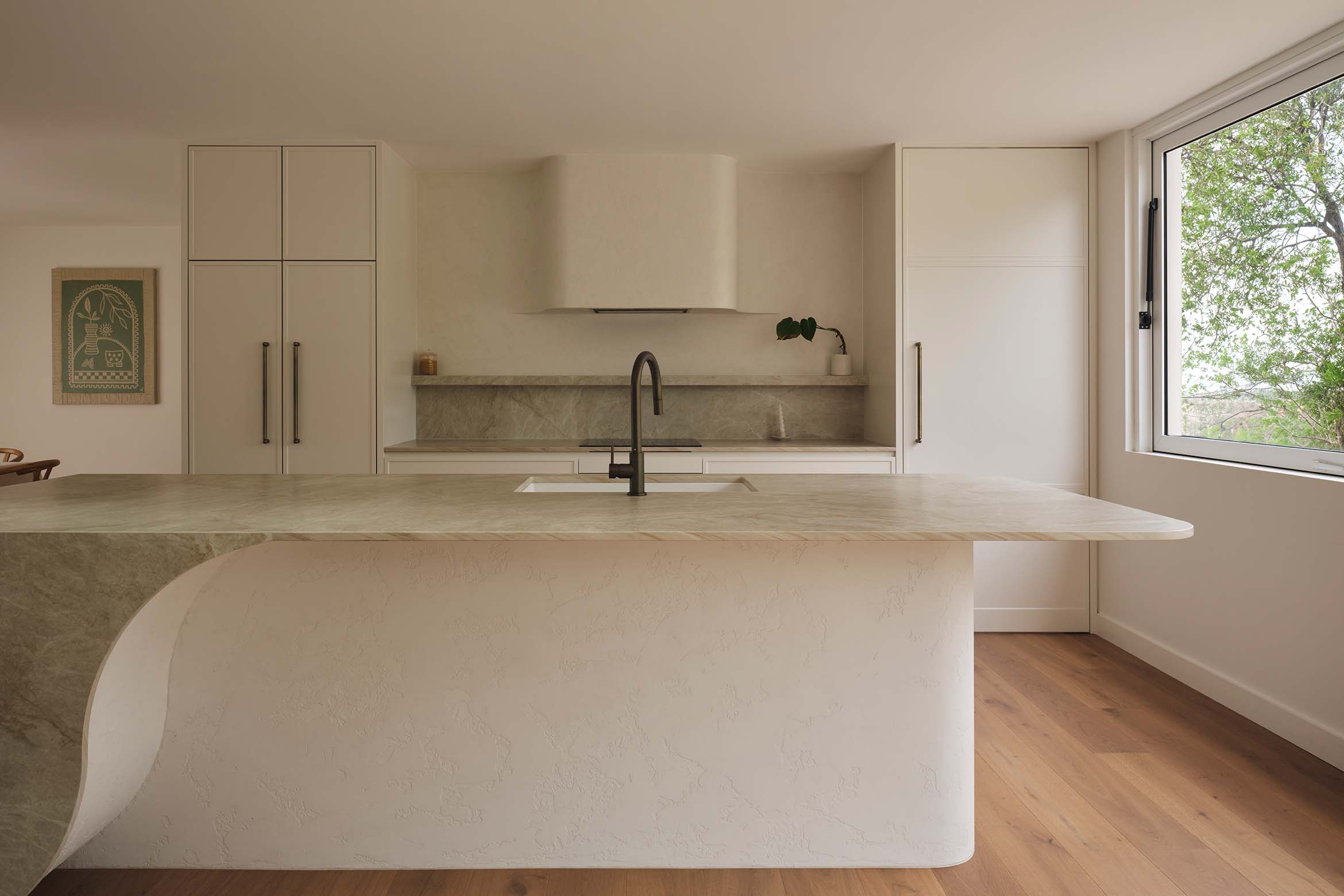
Now, some 70 odd years later, teppanyaki is still cooked on cast iron, but more and more chefs and kitchens alike are turning to stainless steel for its material advantages. And for the first time, Gaggenau and teppanyaki have come together, with the German brand recently introducing an in-built stainless steel teppanyaki cooktop in the form of their Vario Teppan Yaki 400 series. Having expanded well beyond Germany into 50 countries across the globe, the developments made by the oldest appliances company in the world are no longer restricted to one part of the world, nor are they restricted to innovating for an isolated context.
Your kitchen isn’t restricted to one part of the world, either.
INDESIGN is on instagram
Follow @indesignlive
A searchable and comprehensive guide for specifying leading products and their suppliers
Keep up to date with the latest and greatest from our industry BFF's!
The internet never sleeps! Here's the stuff you might have missed