The home of architecture and design in the Asia-Pacific
Get the latest design news direct to your inbox!

Get the latest design news direct to your inbox!
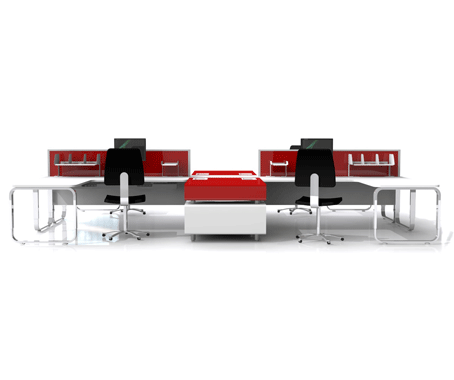
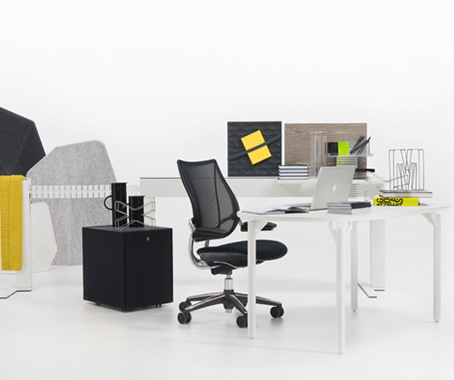
When looking to develop their new workplace program, Schiavello wasn’t content to deliver another conventional workspace environment. Climate® is the heavily research based philosophy focused on understanding the increasing diversity of workplace cultures.
December 23rd, 2010
The development of Climate® saw Schiavello collaborate with world renowned Environmental Psychologist, Dr Jacqueline Visher who worked with Schiavello’s Workplace Research Psychologist.
The result is a highly intelligent malleable design that responds quickly to the changing needs of a business and its people. Climate® is the first work environment tool created from the user perspective; it empowers individuals and teams to work either collaboratively or privately.
Conceived for a fast-moving, ever changing business world where the future is beyond prediction, Climate® is designed to adapt and support to technology and organisational changes.
Individuals now have the ability to easily alter their physical work environment on demand. In many cases individuals can alter their Climate® work environment themselves without the need for specialist technicians or furniture removalists.
Climate® evolves to diverse workplaces with its malleable design shaping to new forms intuitive to individual tasks or behaviour. As constant evolution is the central principle of the Climate® philosophy, Schiavello is inviting leading practitioners from the worlds of architecture, interior design, industrial design, fashion and art to collaborate on Climate®.
The initial release of Climate® saw fashion designer Akira Isogawa, avant-garde label, S!X, Italian colour expert, Giulio Ridolfo and architect Chris Bosse of visionary architecture firm Lava design an exclusive collection of dividing markers.
Unlike workstation systems, Climate® harmoniously works in synergy with people and businesses, creating custom designed workplaces with endless possibilities.
Schiavello
schiavello.com.au
INDESIGN is on instagram
Follow @indesignlive
A searchable and comprehensive guide for specifying leading products and their suppliers
Keep up to date with the latest and greatest from our industry BFF's!
The internet never sleeps! Here's the stuff you might have missed