The home of architecture and design in the Asia-Pacific
Get the latest design news direct to your inbox!

Get the latest design news direct to your inbox!
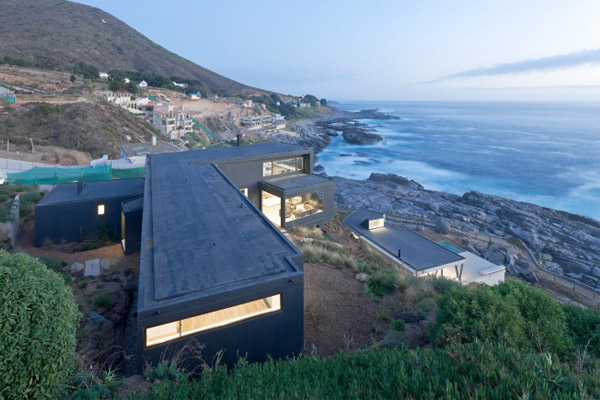
Located on the rocky coastline of Zapallar in Chile, ‘Catch the Views House’ epitomises the escapist function of the holiday home. Anna Guerrero reports.
July 14th, 2014
Two hours from Chile’s capital city Santiago, the small resort town of Zapallar can be found somewhere between the region’s surrounding hills and the crystal clear water of the vast Pacific ocean. For the nature-loving architect, the picturesque coastline is a rewarding canvas.
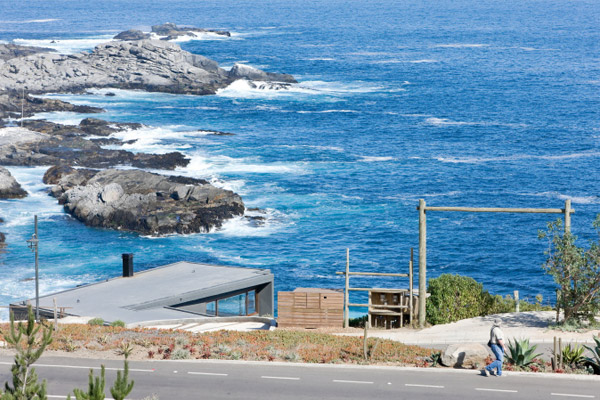
‘Casa Atrapa Vistas’ or ‘Catch the Views House’ has been designed as a holiday home for a family of five, consisting of two levels with a floor area of 593 square meters.
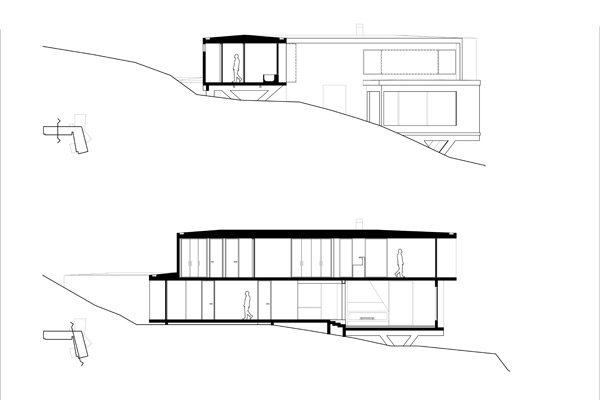
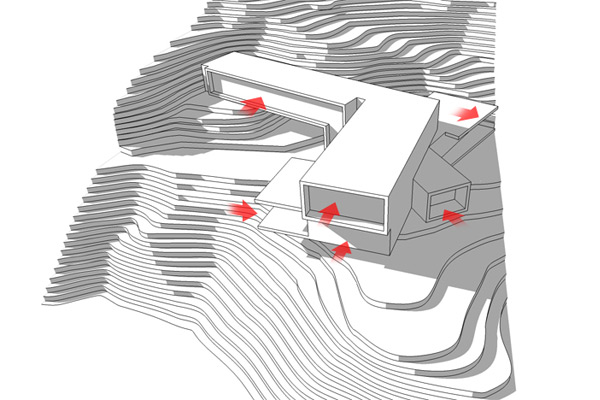
Inspired as an architectural looking glass, the floor plans of the house are orientated around the surrounding views, sunlight, exposure to strong coastal winds and interior/ exterior connectivity.
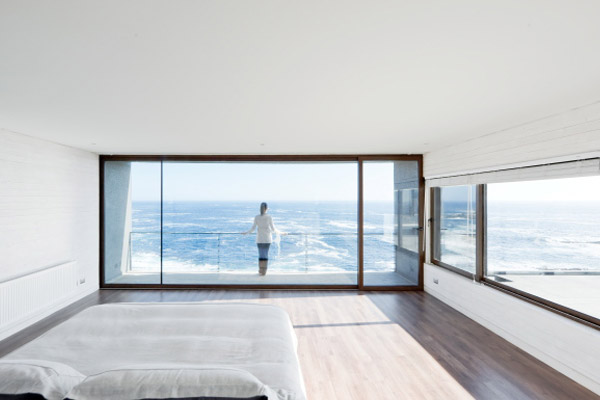
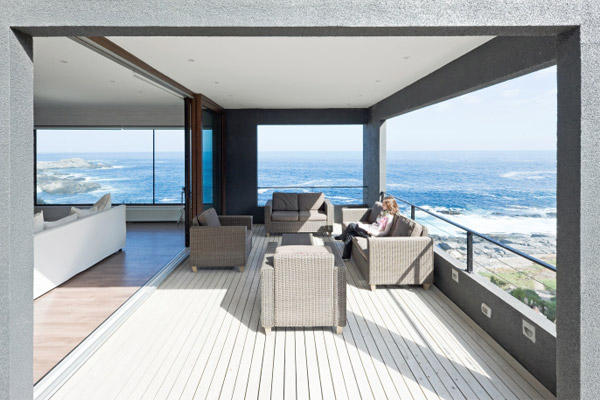
“We wanted to create a diverse set of spaces in contrary to one regular and single view to the ocean,” explains principal architect Angela Delorenzo. “We studied different views that we wanted to capture with models in order to achieve the desired effect.”
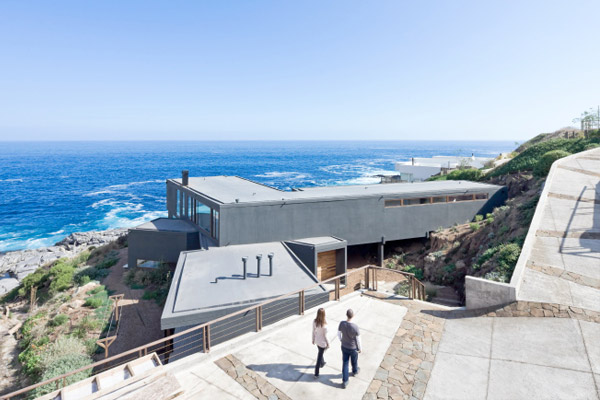
In order to further align the project with nature, the use of levels are implemented haphazardly, mimicking the jagged rocks of the existing coastline.
“Although a challenge, the client specifically wanted the house played along the slope of the coastline,” explains Delorenzo. “The grey exterior color of the facade also resembles the colour of the local rocks.”
In addition, the site’s native vegetation was protected during construction and incorporated to the landscape design.
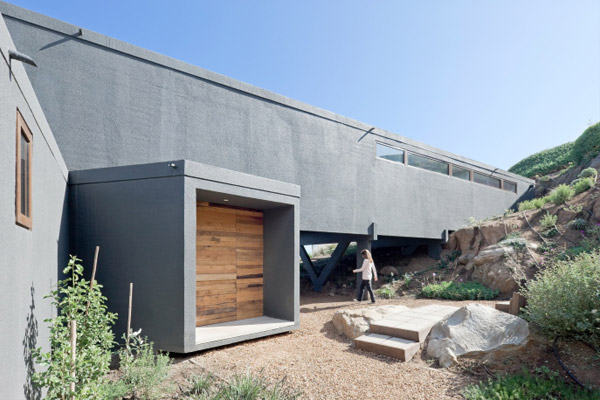
Consisting mainly of prefabricated concrete panels and pine, the materials used within the project have been selected based on their performance and durability within harsh coastal environments.
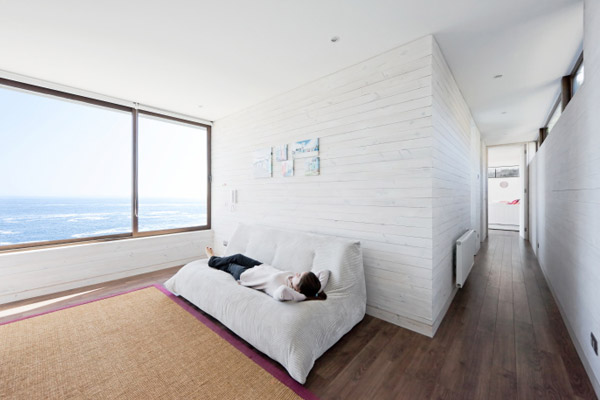
Thermo-panel windows and open plan spaces that facilitate cross ventilation are also present, further establishing the architect’s organic design approach.
Collectively, ‘Catch the Views House’ excels not only in its commitment to the natural environment, but on its merit using simple design concepts to achieve an incredible result.
LAND Arquitectos (Cristobal Valenzuela H. + Angela Delorenzo A.)
landarquitectos.com
Photography: Sergio Pirrone
INDESIGN is on instagram
Follow @indesignlive
A searchable and comprehensive guide for specifying leading products and their suppliers
Keep up to date with the latest and greatest from our industry BFF's!
The internet never sleeps! Here's the stuff you might have missed