The home of architecture and design in the Asia-Pacific
Get the latest design news direct to your inbox!

Get the latest design news direct to your inbox!
Cyril Zammit, the director of Design Days Dubai, talks with Mandi Keighran about collectible design in the Middle East and the changing face of design in Dubai.

March 17th, 2014
Cyril Zammit is the man responsible for bringing collectible design to the Middle East, and a key player in fostering Dubai’s fast-emerging design scene. Born in Paris, Zammit started his career in Prague, before moving to London and then Switzerland, working on sponsorship for Art Basel and Art Basel Miami Beach. In 2009, he moved to Abu Dhabi, where he joined the cultural department of Tourism Development & Investment Company (TDIC), and his interest in contemporary design in the Middle East region began to develop.
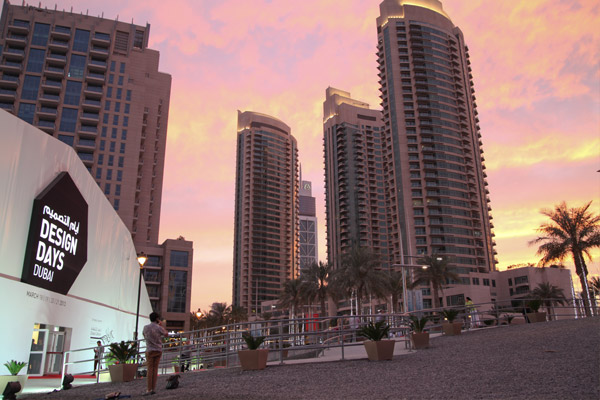 Design Days Dubai 2013 – Outdoor view of the tent, Downtown Dubai
In 2011, following the success of Art Dubai – a fair dedicated to collectible art in the region – Zammit was approached by the fair’s co-founder Ben Floyd. Floyd wanted to start a fair dedicated to design – the first of its kind in the Middle East and South Asia – and Design Days Dubai was born. “He really wanted to open the door to collectible design in this region, and thought the moment was right,” says Zammit.
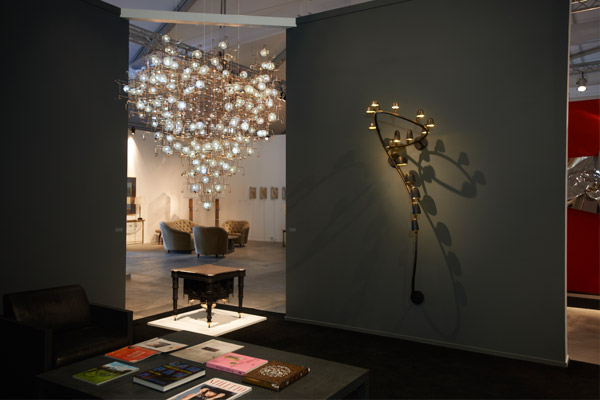 Design Days Dubai 2013 – Carpenters Workshop Gallery, London & Paris
Heading into its third year this month, the event is largely responsible for the increasing appreciation and understanding of design in the region. “Dubai is such an international hub and people have financial means, so collectible design fits perfectly into the scheme of things,” says Zammit. “Of course it takes time, as there are very few collectors, in the European sense, here. But, once the story behind the design is explained, there is a great appreciation.”
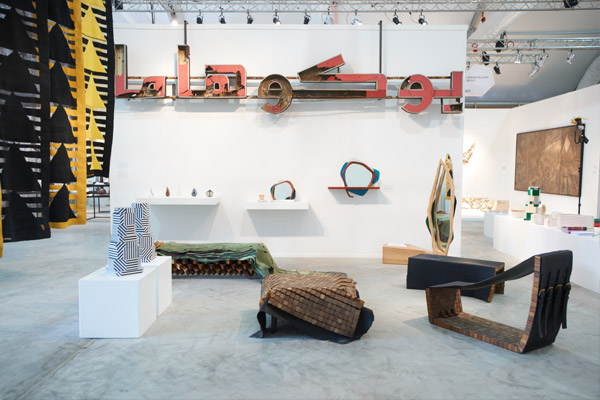 Design Days Dubai 2013 – Carwan Gallery, Beirut
Design Days Dubai has also brought a new Middle Eastern design aesthetic to an international audience, and many of the workshops run during the week aim to foster local creativity. “When you look at the work of Khalid Shafar or Aljoud Lootah, it is very strongly anchored to the culture here,” says Zammit, in reference to two trailblazing designers from Dubai. “It finally gives a contemporary approach to something that has been repeated for several centuries.”
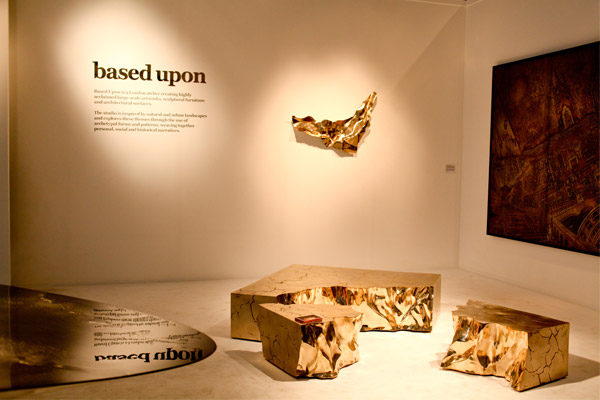
Design Days Dubai 2013 – Based Upon, London
That’s not to say that the contemporary design in the region shouldn’t look to the past. “A lot of people don’t believe this country has history,” says Zammit. “But that’s not true. It is important that this history doesn’t disappear, and it is important that craft traditions are addressed by designers.”
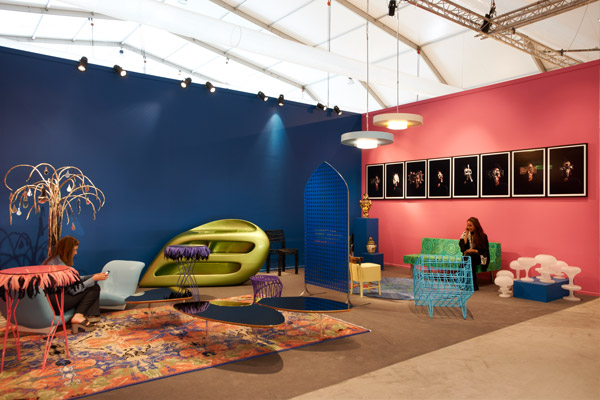 Design Days Dubai 2013 – Perimeter Art & Design, Paris & London
Beyond promoting local designers, Zammit’s ambition is for the event to reflect the city of Dubai and the UAE and help to establish not only a design industry, but a design manufacturing industry. “This country has all the production it needs here,” he says. “Of course, these industries are not used to doing bespoke pieces, but it will happen. If it doesn’t and a neighbouring country [creates an established design industry] ahead of us, we will have missed a huge opportunity.”
Design Days Dubai is runs from the 17th to the 21st March 2014.
designdaysdubai.ae
Mandi Keighran is a freelance design writer, based in London, and Editor-at-large for Indesign.
INDESIGN is on instagram
Follow @indesignlive
A searchable and comprehensive guide for specifying leading products and their suppliers
Keep up to date with the latest and greatest from our industry BFF's!
The internet never sleeps! Here's the stuff you might have missed