The home of architecture and design in the Asia-Pacific
Get the latest design news direct to your inbox!

Get the latest design news direct to your inbox!
Tower Infinity by GDS Architects in South Korea makes the record as the first architectural landmark to be ‘invisible’ to the eye.
October 3rd, 2013
For architecture buffs numbed by yet another report of a new tallest or largest built structure somewhere in the world, perhaps this latest news will stir the imagination, or at least raise an eyebrow or two.
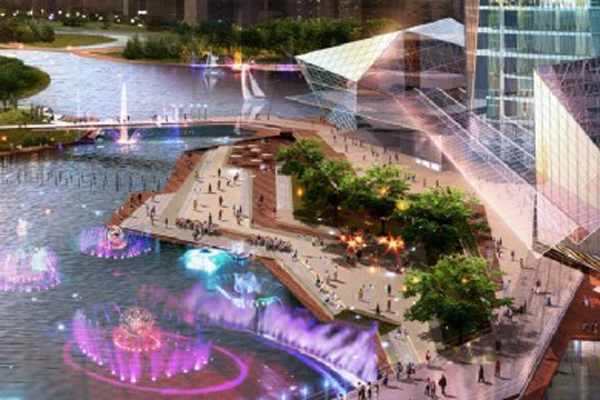
The glass-encased Tower Infinity designed by US-based GDS Architects just outside of Seoul, near Incheon International Airport, will rise to 450 metres (1,476 feet) when completed, making it the sixth tallest tower in the world.
But what is setting the media sphere abuzz is the announcement that the project, dubbed the ‘anti-tower’, will be rendered ‘invisible’ to people.
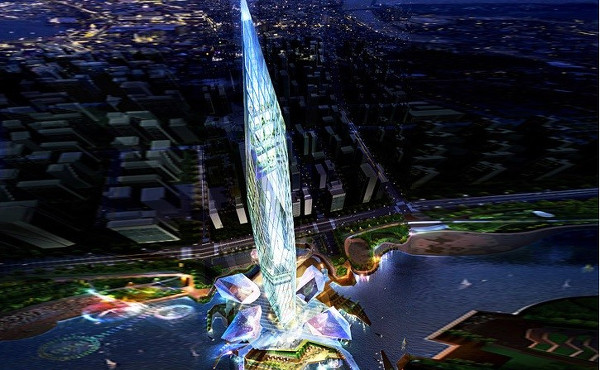
The illusion of invisibility will be achieved with a state-of-the-art LED facade system. A series of cameras will capture real-time images of the surroundings, which will then appear on the hundreds of rows of LED screens that are spread over the tower. Observers will thus be taking in the view that the building would otherwise obstruct.
Digital processing will fine-tune the end result so the building blends even more seamlessly with its surroundings.
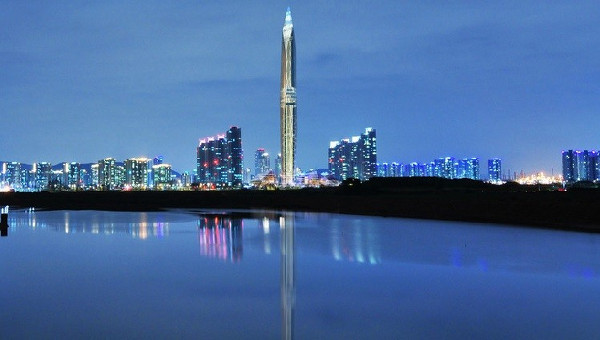
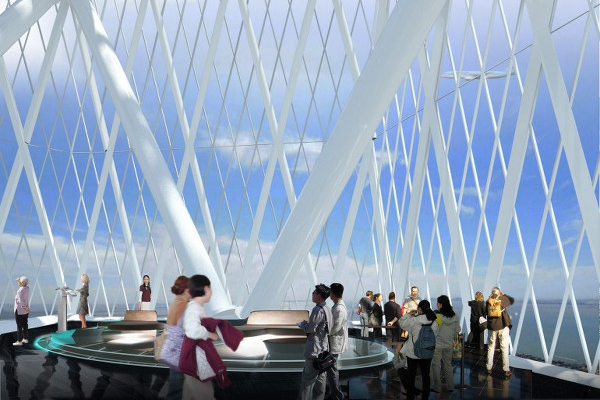
Tower Infinity will mainly be used for entertainment and leisure, and will include a water park, movie theatres and restaurants. Incidentally, its observation deck will also be the third highest in the world.
INDESIGN is on instagram
Follow @indesignlive
A searchable and comprehensive guide for specifying leading products and their suppliers
Keep up to date with the latest and greatest from our industry BFF's!
Keep your ears open to learn more about the “GREAT Trail” we’ll be incorporating into the SiDLineup.
The internet never sleeps! Here's the stuff you might have missed