The home of architecture and design in the Asia-Pacific
Get the latest design news direct to your inbox!

Get the latest design news direct to your inbox!
Jardan’s aim to be a carbon neutral, sustainable company is the driving force behind every aspect of its operation.
July 21st, 2009
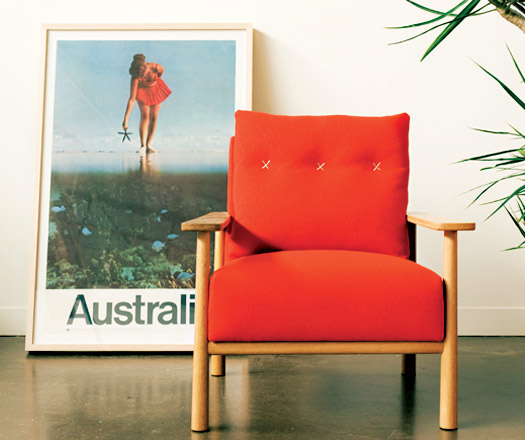
Jardan upholds principles of sustainability as the central tenet to producing its unique ranges of furniture.
Since opening its first factory in Melbourne over 20 years ago, Jardan have maintained a steadfast commitment to design practices that minimize environmental impact.
By discerning between the origins of their materials and ensuring production takes place in Australia, Jardan ensures their customers high-quality, eco-friendly pieces.
Jardan readily accepts responsibility for their furniture by ensuring that products portray sustainable principles from conception until their recycle point years later. They even invite customers to return discarded pieces so that parts can be re-used and recycled to minimize landfill. This approach has assisted Jardan in cutting their landfill waste by 75 per cent over the last five years.
Recognised and renowned for this unwavering focus on the planet’s wellbeing, Jardan’s entire range has been accredited with the Good Environmental Choice Label (GECA) in furniture and fittings.
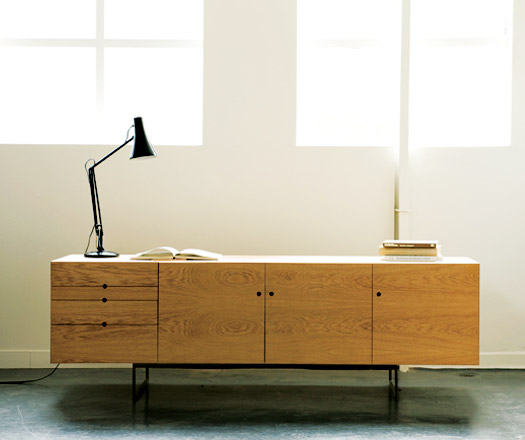
Providing equal attention to design as to sustainability, Jardan’s furniture is created to outlive generations, so if products start to show their age, Jardan offers clients a re-upholstery service which returns pieces to their original state.
Jardan lifts their loyalty to sustainability to a superior level by electing their own internal environmental management group to measure, analyse and report on ecological matters within the company.
It is clear that Jardan constantly strives towards an ethical, carbon neutral operation, and it is the way they work towards this goal which should inspire the entire design community to follow a similar path.
INDESIGN is on instagram
Follow @indesignlive
A searchable and comprehensive guide for specifying leading products and their suppliers
Keep up to date with the latest and greatest from our industry BFF's!
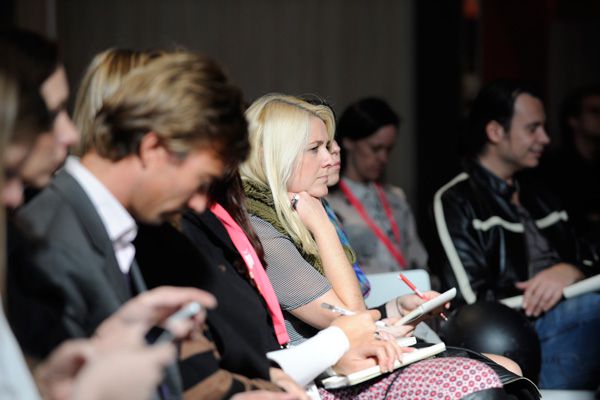
The 2009 Bubble and Speak® Breakfast Series is back and bigger than ever with with 6 breakfasts over 6 months – 2 more than last year. Each seminar features guest speakers selected for their varied point of view and experience. Your questions are welcome, and encouraged, following each speaker’s address.
The internet never sleeps! Here's the stuff you might have missed