The home of architecture and design in the Asia-Pacific
Get the latest design news direct to your inbox!

Get the latest design news direct to your inbox!
Lieu Pham meets the makers at the refurbished Abbotsford Convent.
March 16th, 2010
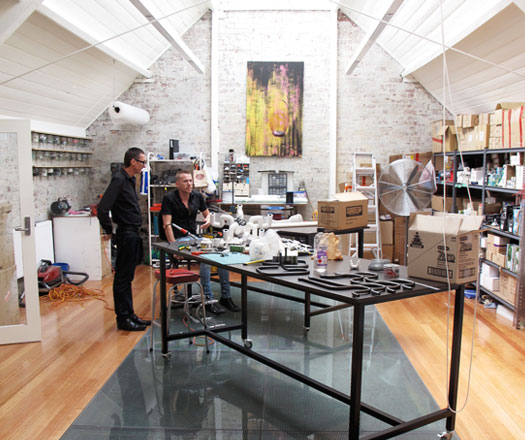
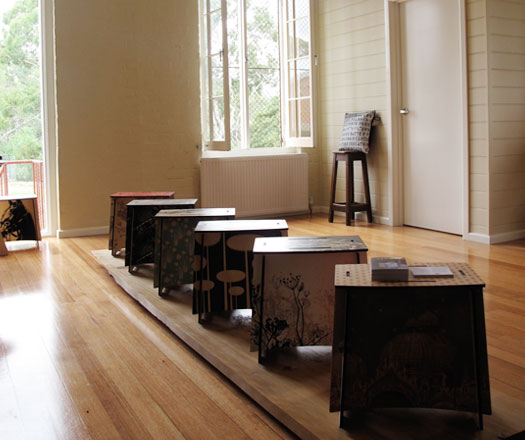
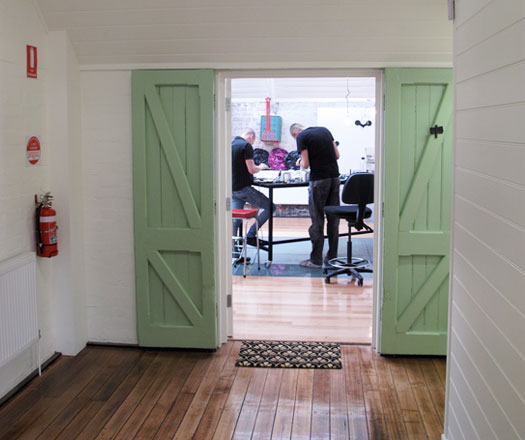
The refurbished Mercator building at the Abbotsford Convent provides the public with the chance to go behind the scenes and meet local designers.
“It’s an opportunity to see art in the making and talk about arts practice directly with the makers and buy hand-crafted work,” says Convent’s spokesperson Brenton Geyer.
Launched earlier this year, the Mercator building is part of Abbotsford Convent’s vision to become the new industrial arts sector of Melbourne.
Helen Punton of Zaishu concurs; ‘It’s a wonderful creative community nestled by the river; I feel like I am in a country town but have all the advantages of the metropolis.’
Built circa 1897, the Mercator formed part of the industrial laundries that operated as a major income source for the nuns of the Convent. Today it houses ten newly renovated studios, all individualised by their tenants from various creative fields.
Melbourne jeweller Phoebe Porter says the appeal was obvious. ‘I was drawn by the idea of working surrounded by other complimentary practices and the possibilities of future collaborations between Mercator tenants.’
The Mercator Buliding is located on the eastern edge of the Abbotsford Convent precinct at 1 St Heliers Street, Abbotsford. Some studios are open to the public, subject to the artists’ schedules.
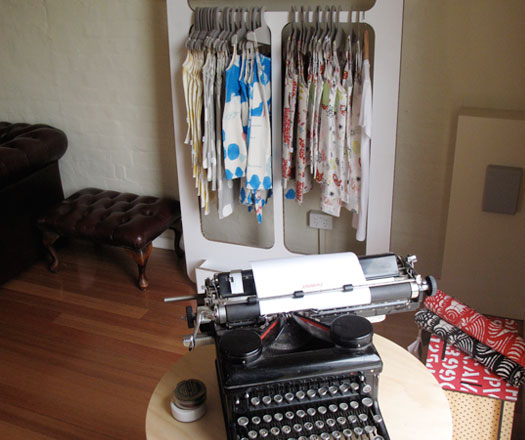
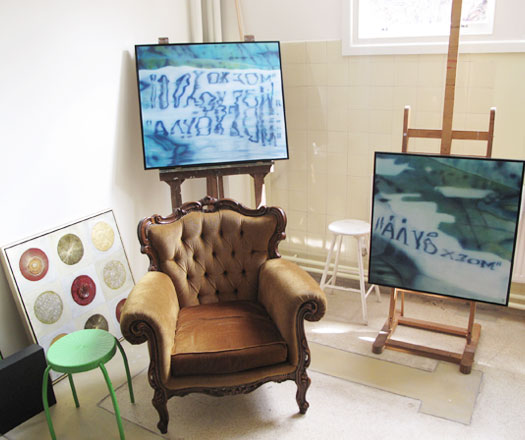
List of Mercator tenants: Painter Pip Davey, Jeweller and Graphic designer Sari Harris, glass-blower Philip Stokes, Cone 11 Ceramics Studio, industrial designers Dhiren Bhagwandas and Justin Hutchinson, eco design studio Zaishu, artists Ralf Kempken and Rona Green, lighting designer Volker Haug, jewellers Phoebe Porter and Shimara Carlow and Katheryn Leopoldseder.
Mercator Studios
abbotsfordconvent.com.au
All photography by Andrzej Nowicki

INDESIGN is on instagram
Follow @indesignlive
A searchable and comprehensive guide for specifying leading products and their suppliers
Keep up to date with the latest and greatest from our industry BFF's!
The internet never sleeps! Here's the stuff you might have missed