The home of architecture and design in the Asia-Pacific
Get the latest design news direct to your inbox!

Get the latest design news direct to your inbox!
As the Living Cities Forum returns to Sydney and Melbourne this August, Kundoo — appearing alongside international speakers such as Finn Williams and Ludwig Engel — tells us about time, abundance and care in her work.
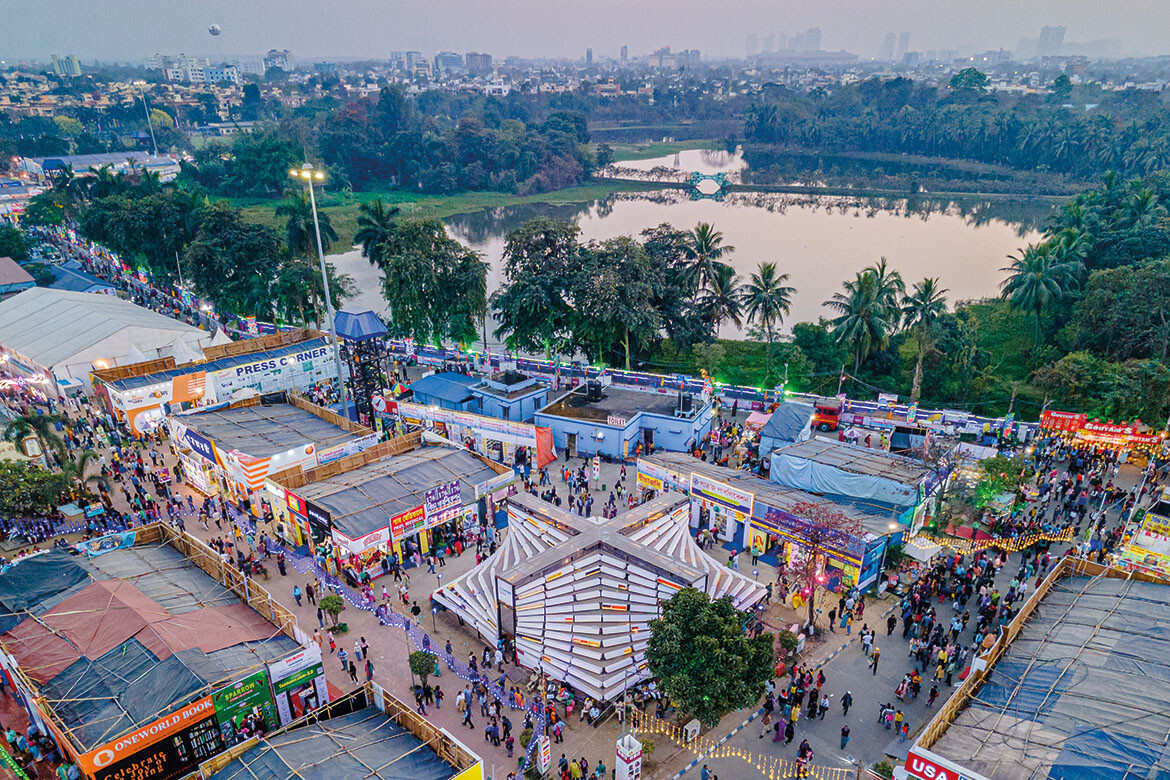
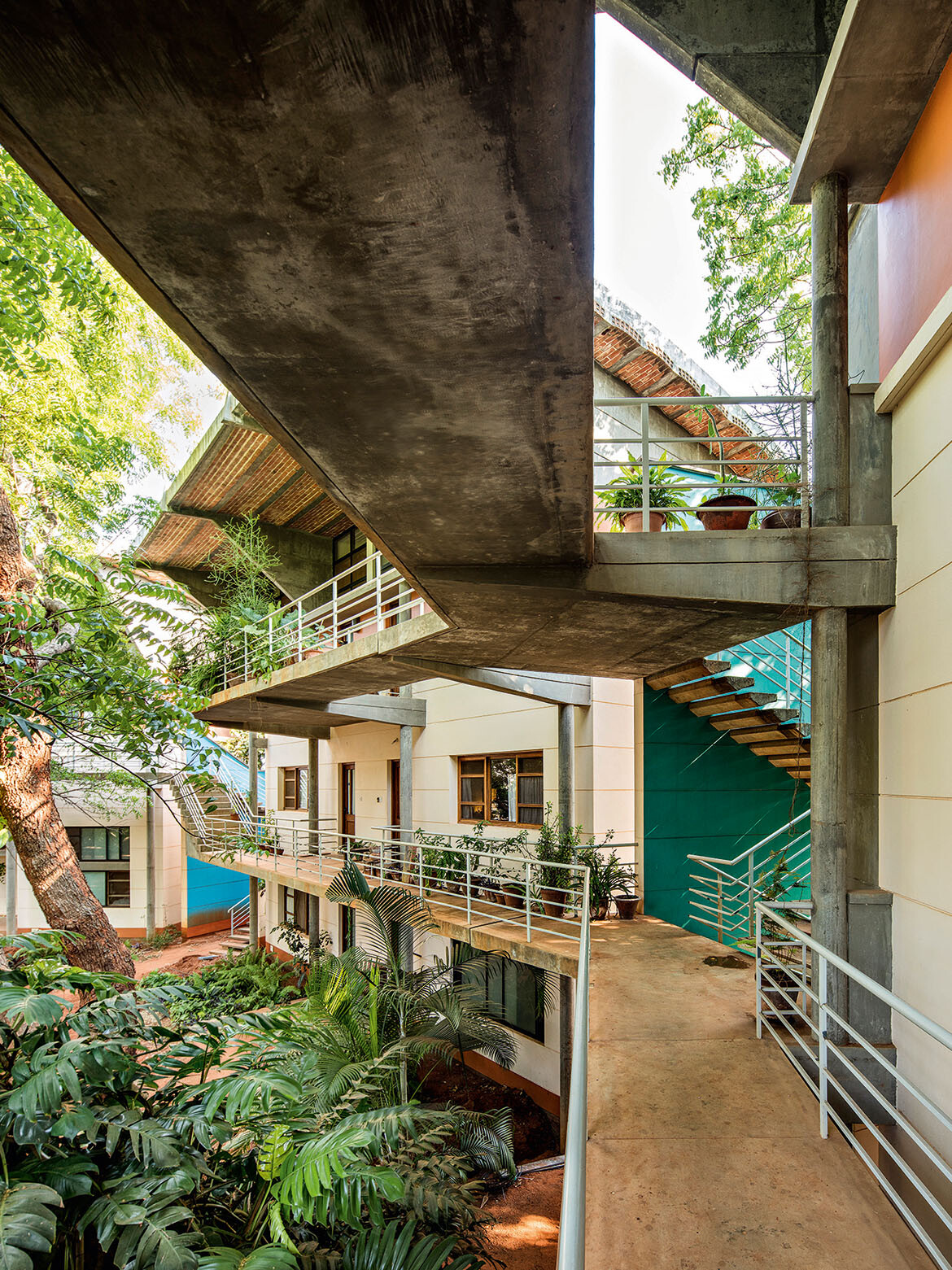
Shelf Life (2025), Subhajit Da and Goethe Institut Kolkata.

August 18th, 2026
The Living Cities Forum is back in Australia with a program examining how design, policy, architecture and civic leadership can contribute to more equitable, resilient and connected cities. This year’s theme — Cities Made With Care — considers housing and urban development beyond questions of supply and growth, asking who shapes cities, who benefits from them and how existing systems might be reconsidered.
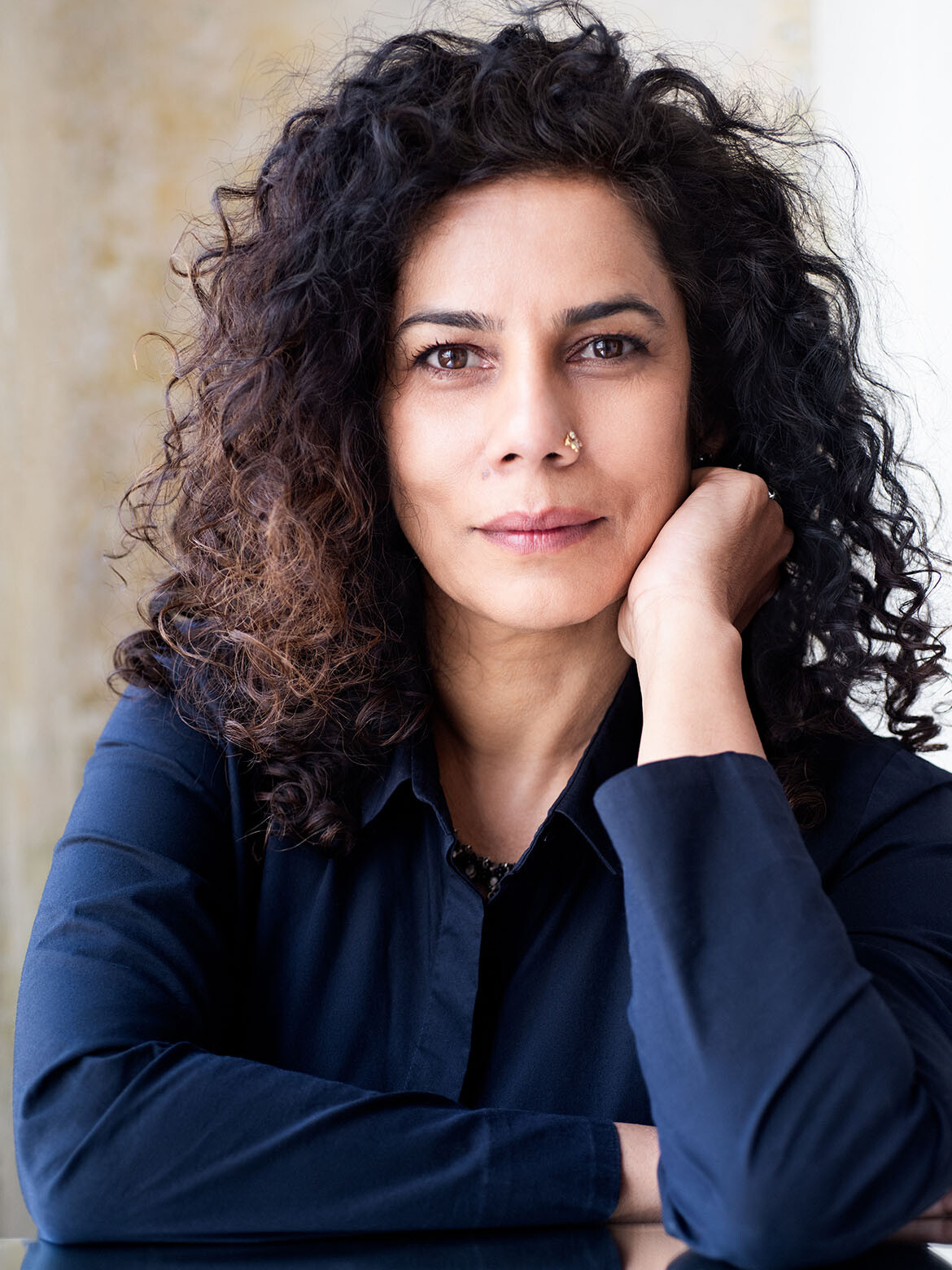
Among the international speakers is architect and educator Anupama Kundoo, who joined me ahead of the events to share more about her story and what she hopes to bring to the Forum. Kundoo’s research-led practice examines the relationship between material resources, human labour and the built environment, and she will deliver a keynote speech on ‘Rethinking Materiality: Natural Resources and Human Resourcefulness’. The speeches, in both Sydney and Melbourne, are set to address the influence of capital, standardisation and time on architectural production.
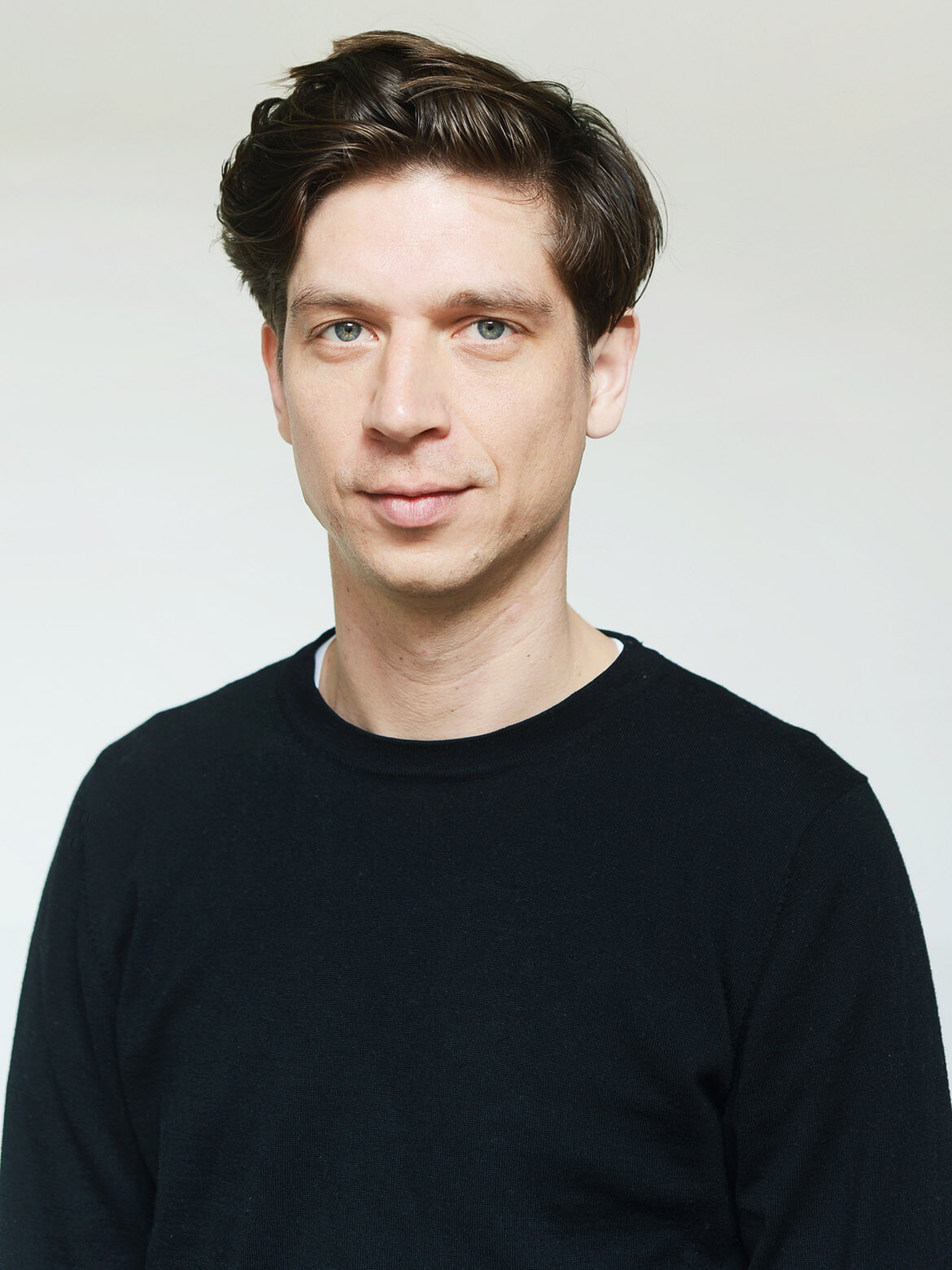
In the STORIESINDESIGN podcast interview — to be released very soon — Kundoo expanded on several of these themes, describing architecture as a discipline concerned with the full range of human needs. For her, this extends from the basic requirement for shelter and thermal comfort to the quality of individual and collective spaces, landscape and urban environments. Rather than treating these as separate scales, she sees them as interconnected aspects of the same human habitat.
Time is a particular concern in her thinking. Kundoo argues that architecture needs to account for the different periods over which buildings are expected to operate, whether temporary structures or buildings intended to last over multiple generations. She is also critical of the way industrialised construction has treated human time primarily as a cost to be reduced. In her view, removing people from processes of making can also remove knowledge about how buildings are constructed, maintained and repaired.
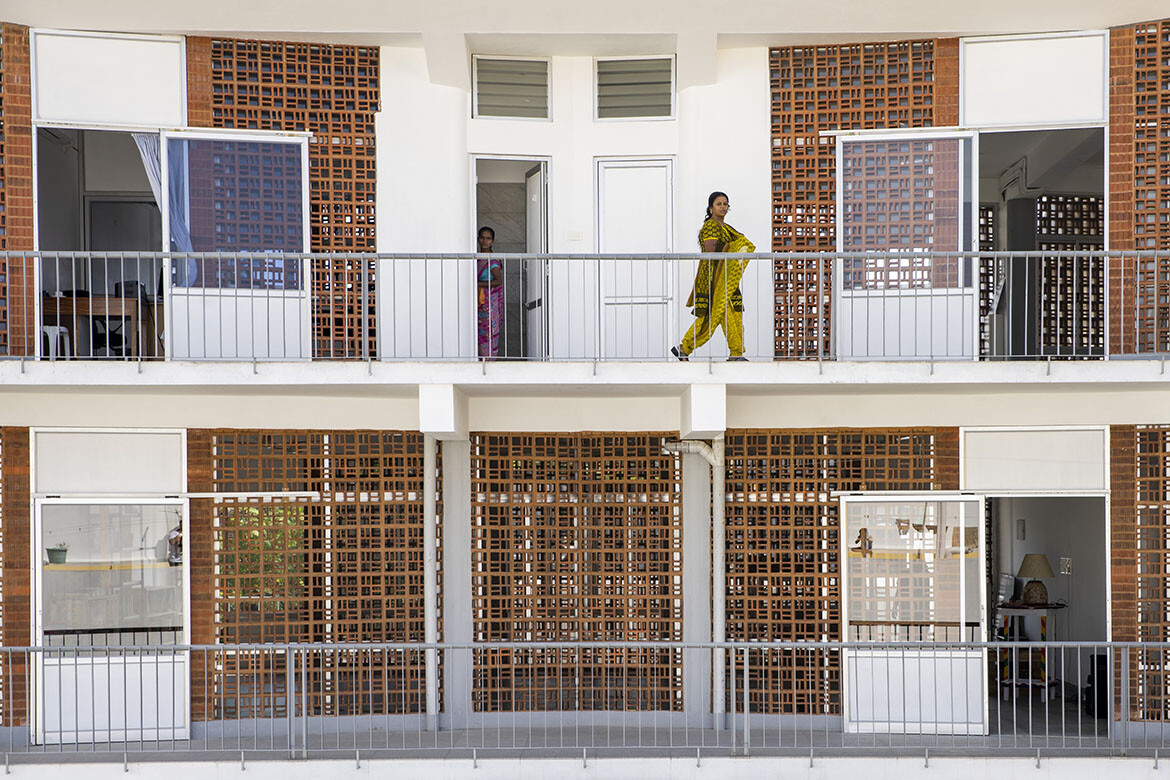
The conversation then connects with her wider interest in material resourcefulness and what she describes as an abundance-based approach to architecture. Rather than beginning with a predetermined material or industrial supply chain, Kundoo argues for greater attention to what is available within a particular territory, alongside the knowledge and skills of the people who work with those materials. She sees human ingenuity and labour as resources that have been undervalued in contemporary architectural production.
Kundoo also questions the way sustainability is often reduced to selecting supposedly sustainable materials. She argues that the environmental implications of architecture need to be considered through the wider relationship between people, materials, labour and supply chains, rather than through a straightforward preference for one material over another.
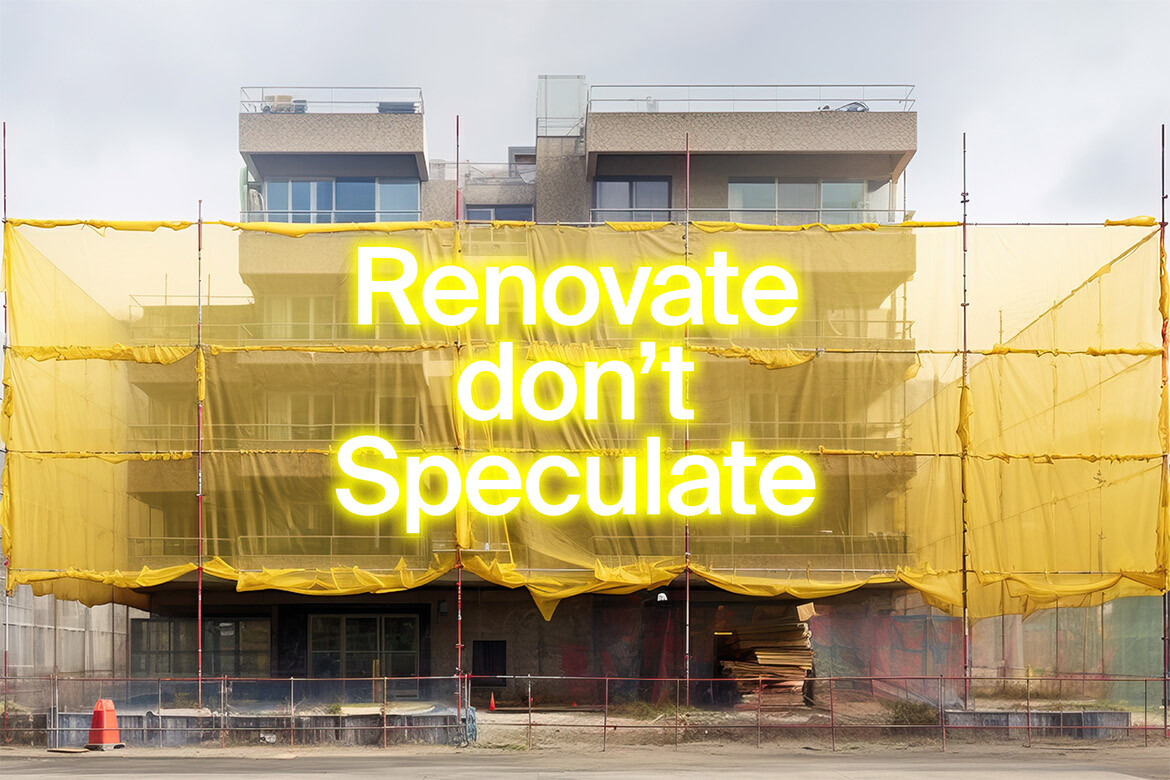
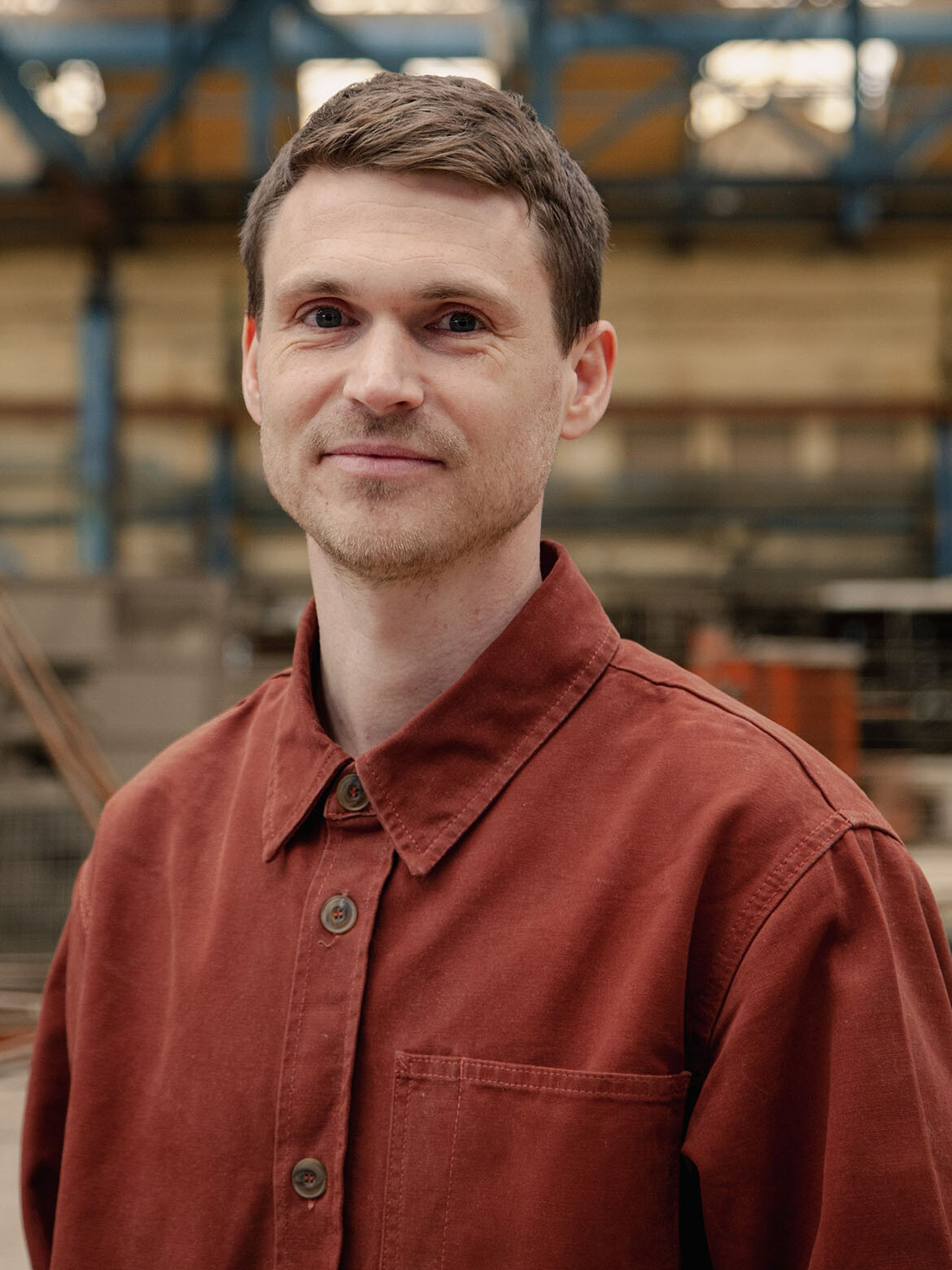
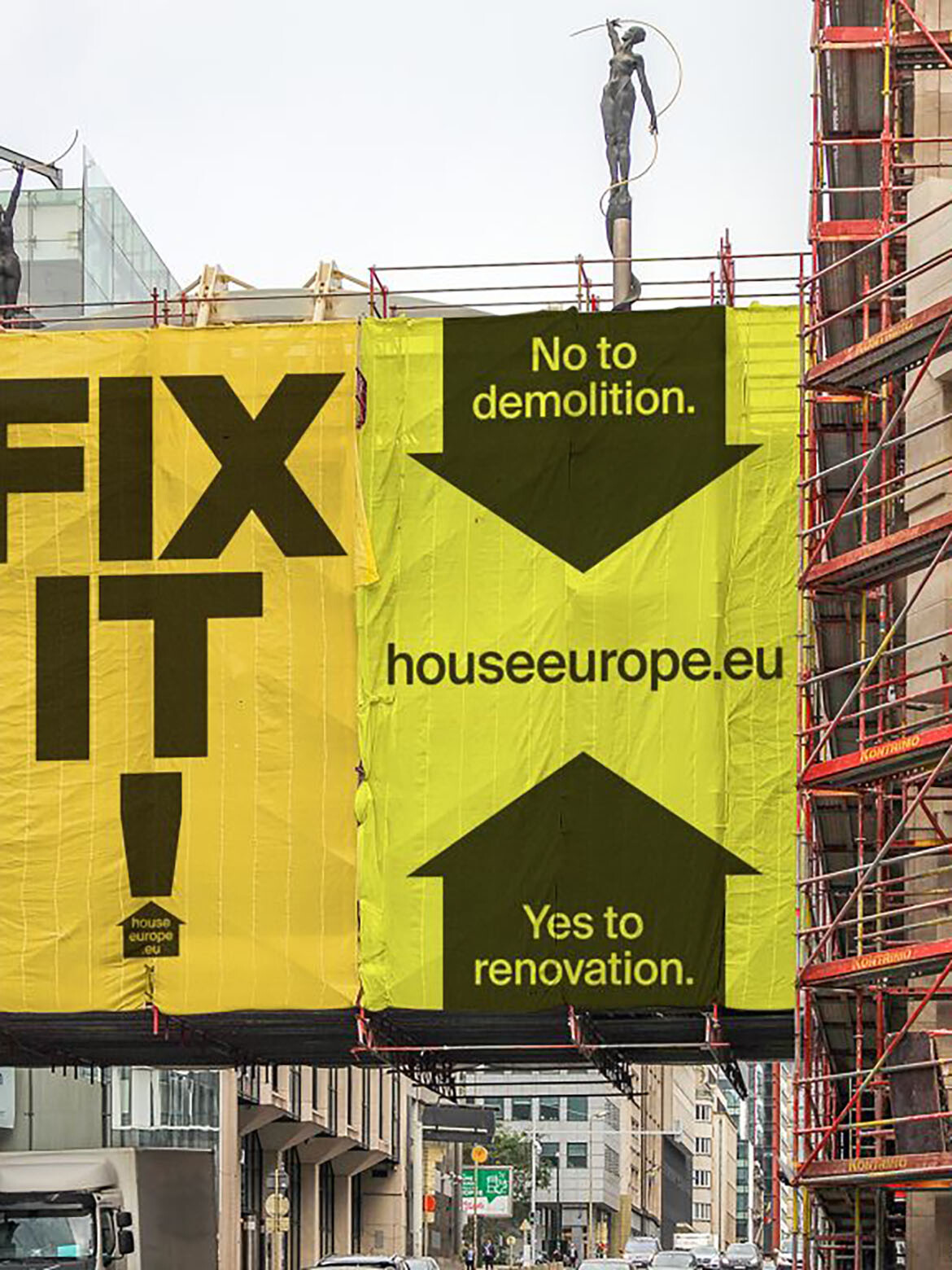
Her perspective is also informed by working across India, Europe, the United States and indeed Australia, having previously taught at the University of Queensland in Brisbane. Kundoo will be joined by UK architect and urbanist Finn Williams and German futurologist Ludwig Engel in the Forum’s international keynote program. Williams will discuss civic equality, local identity and circularity through his experience in Malmö, while Engel will examine the campaign of HouseEurope! to make renovation an alternative to demolition and new construction.
Related: More on Living Cities Forum 2026
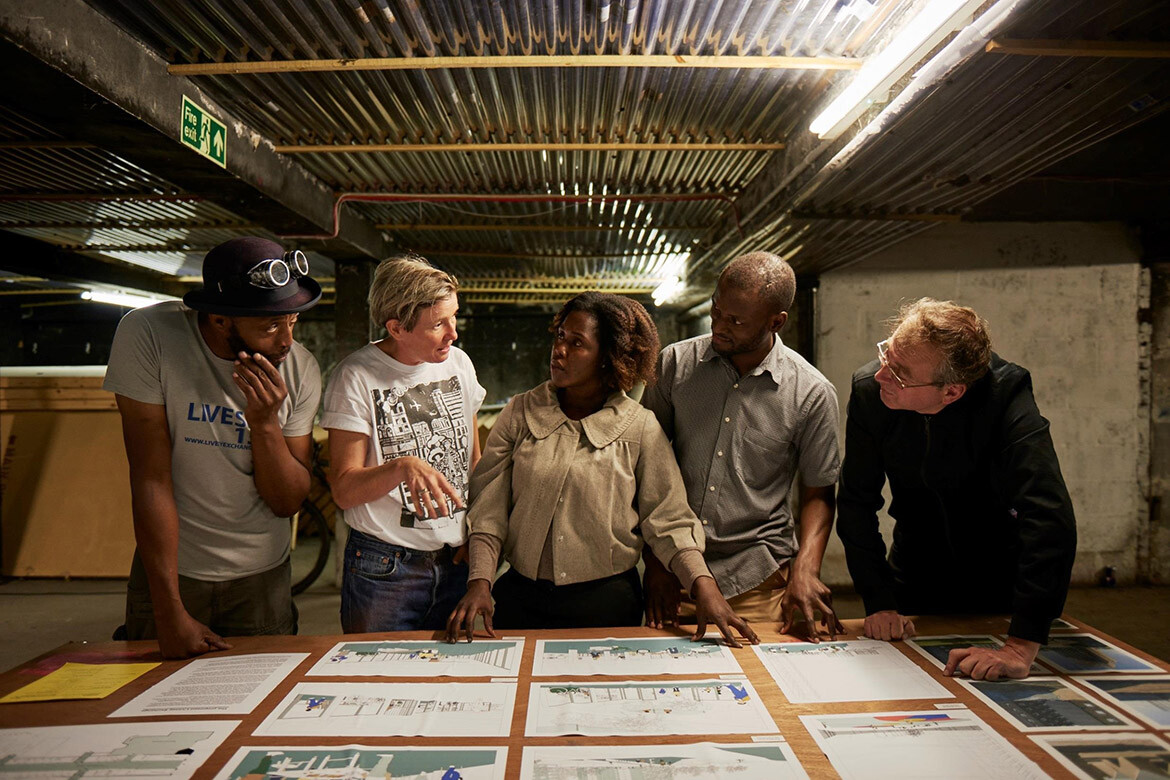
The afternoon sessions in both cities turn to Australian conditions, addressing the value of existing buildings and the relationship between housing, markets, governance and equity. Sydney’s program includes Thomas Astell-Burt, Ali Bounds, Russell McFarland, Paulo Macchia, David Barnard and Esther Cheong, while Melbourne’s speakers include Kate Dundas, Simon Robinson, Marcus White, Dan Hill and Shannon Peach.
Living Cities Forum takes place in Melbourne and Sydney on Tuesday 25th and Friday 28th August respectively.
Living Cities Forum
livingcitiesforum.org
INDESIGN is on instagram
Follow @indesignlive
A searchable and comprehensive guide for specifying leading products and their suppliers
Keep up to date with the latest and greatest from our industry BFF's!
The internet never sleeps! Here's the stuff you might have missed