The home of architecture and design in the Asia-Pacific
Get the latest design news direct to your inbox!

Get the latest design news direct to your inbox!
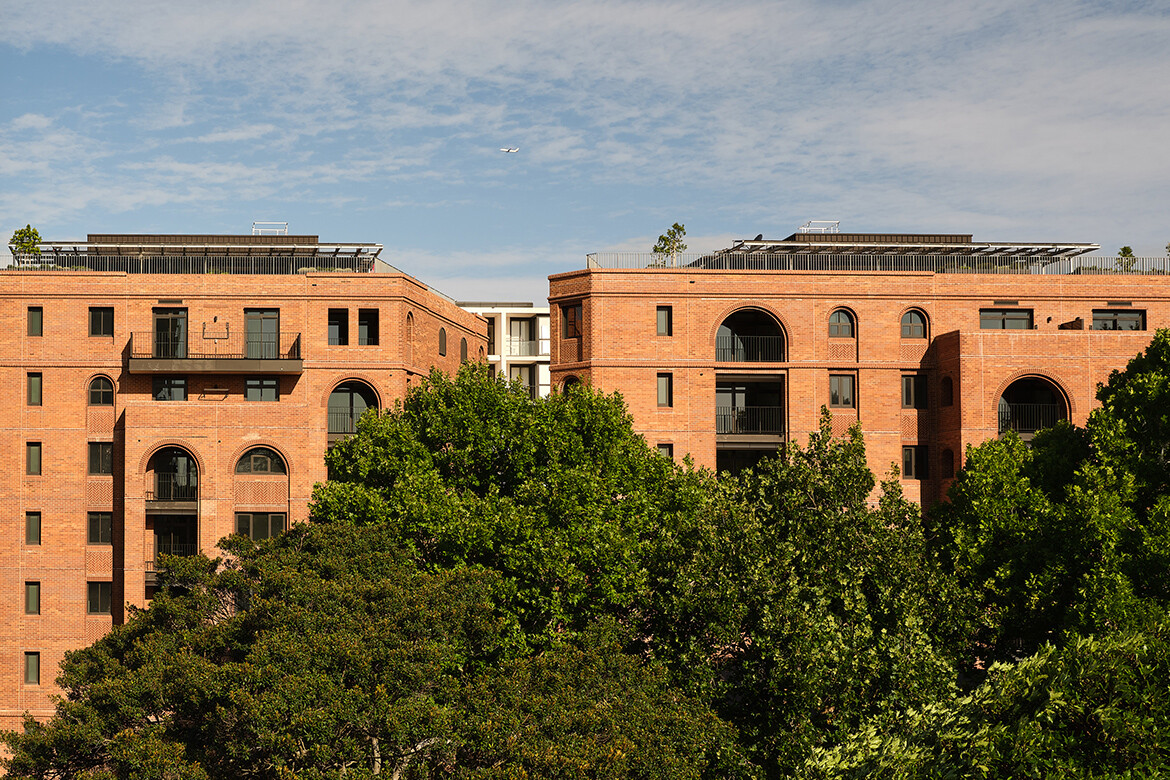
As a significant renewal of an established social housing project, JPW’s recently completed Cowper Street Housing in Glebe, Sydney aims to bring sustainable and community-focused density to an inner city suburb.

June 9th, 2026
Glebe, located right on the city centre fringe of Sydney, owes much of its distinctive character to its density. As well as its heritage wool stores and warehouses, it’s the rows of tightly packed terrace houses that make it so charming. It’s certainly not been immune to the ever-increasing gentrification of inner city areas in Australia, though it has kept more social housing than other comparable neighbourhoods.
It’s within this context that JPW’s Cowper Street Housing — initiated by Homes NSW with the King’s Trust, and with Group GSA as delivery architect — has added a new layer of social housing provision focused on improving amenity, accessibility and urban integration.
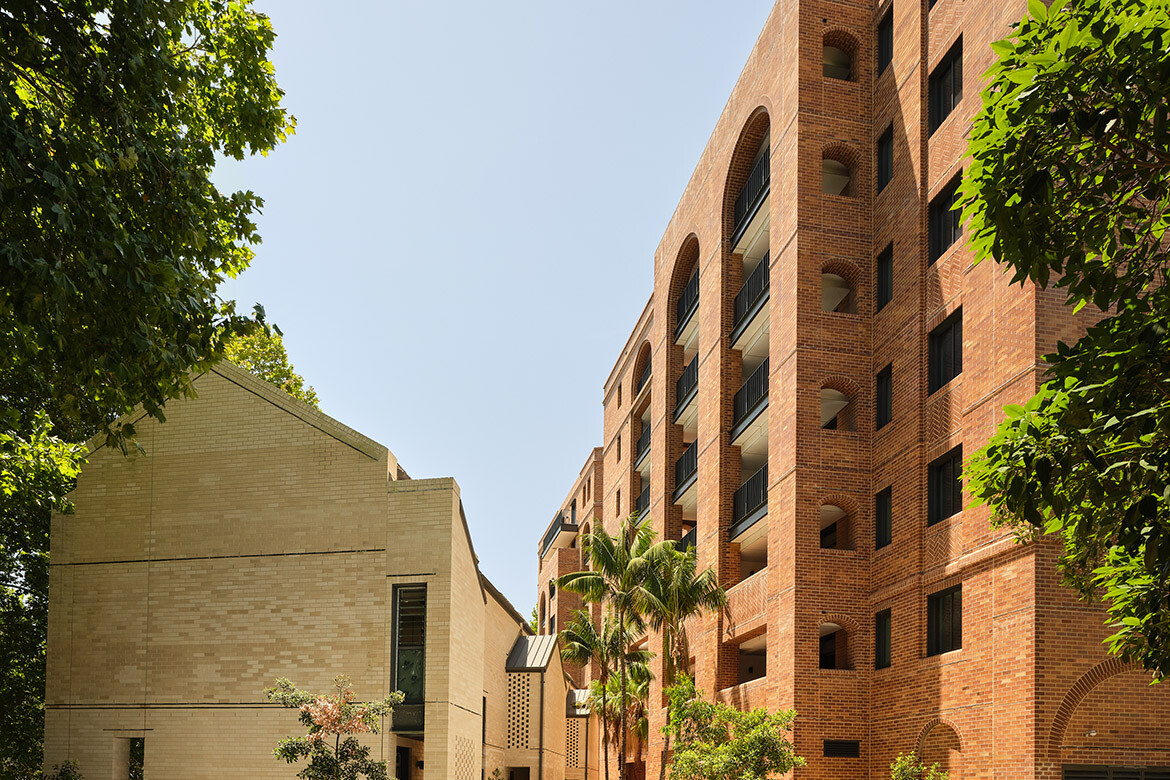
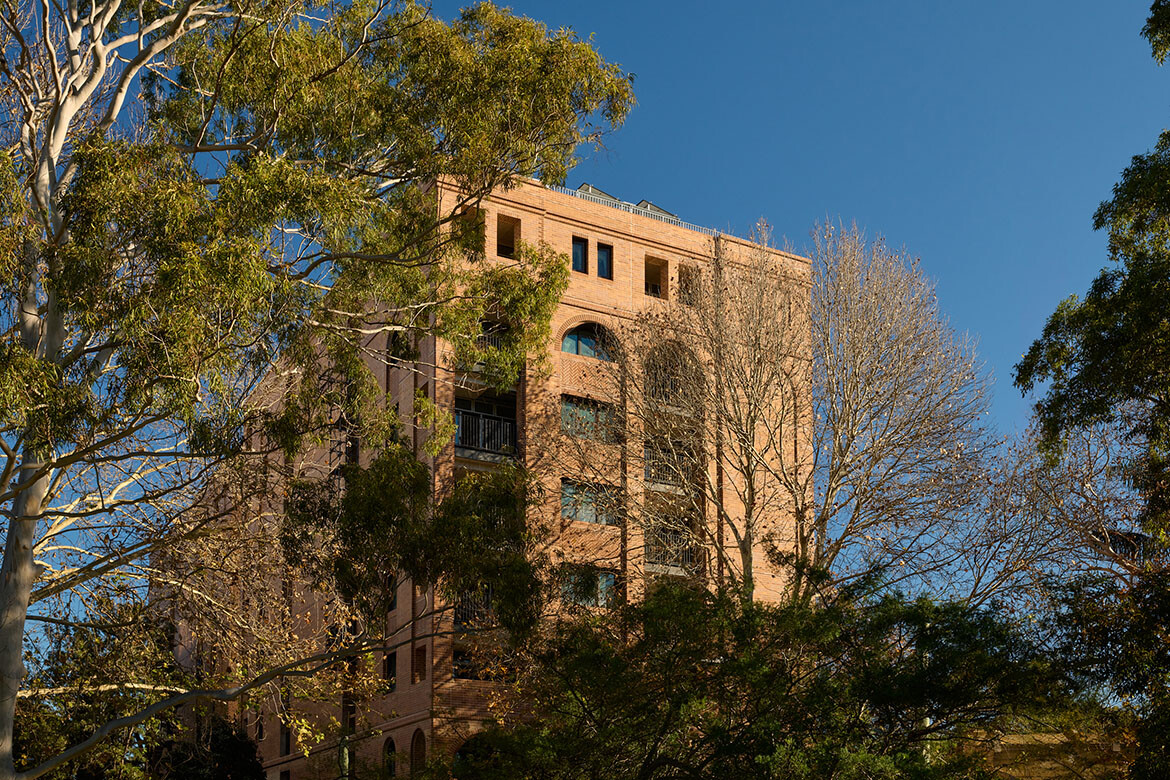
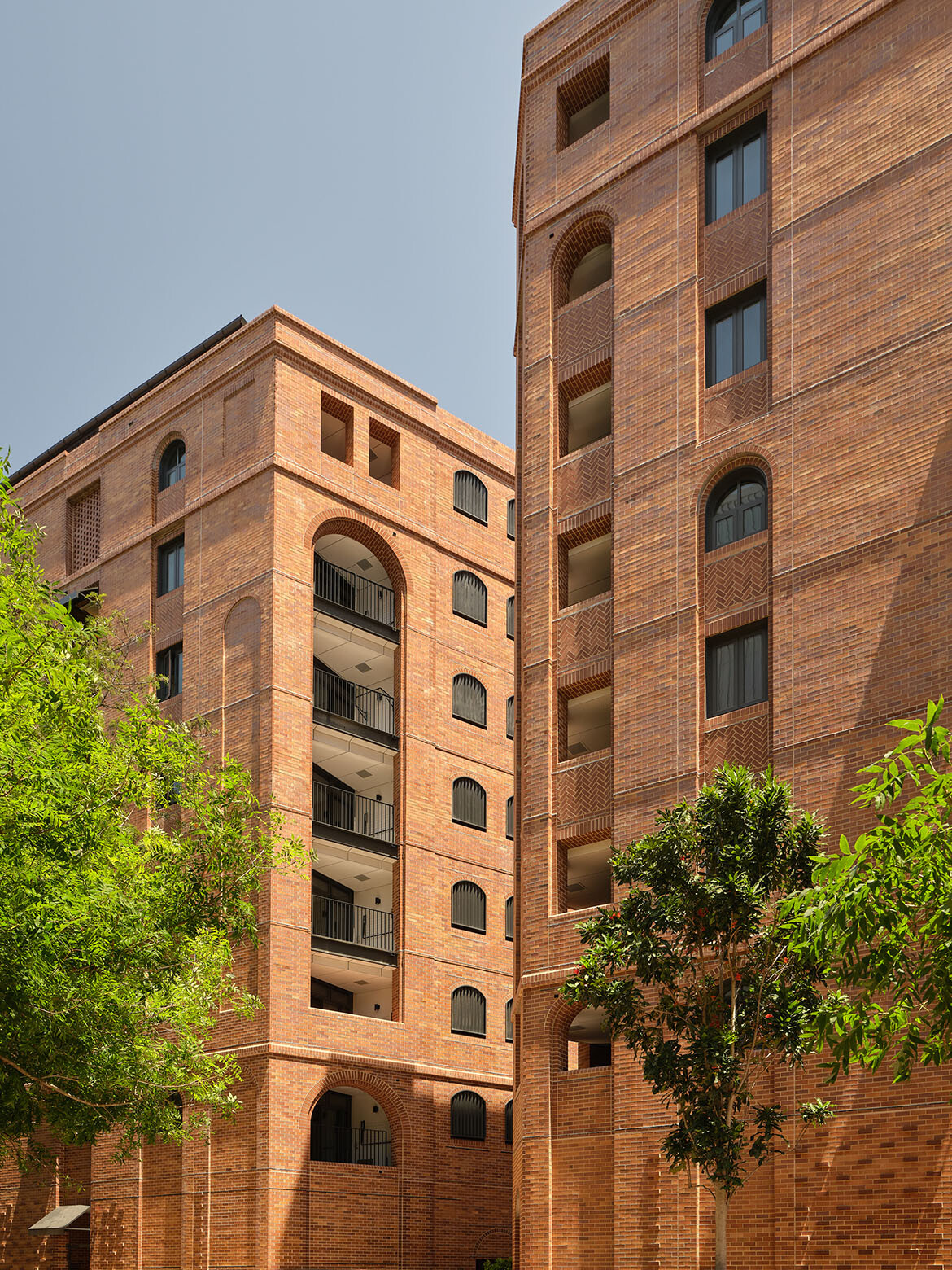
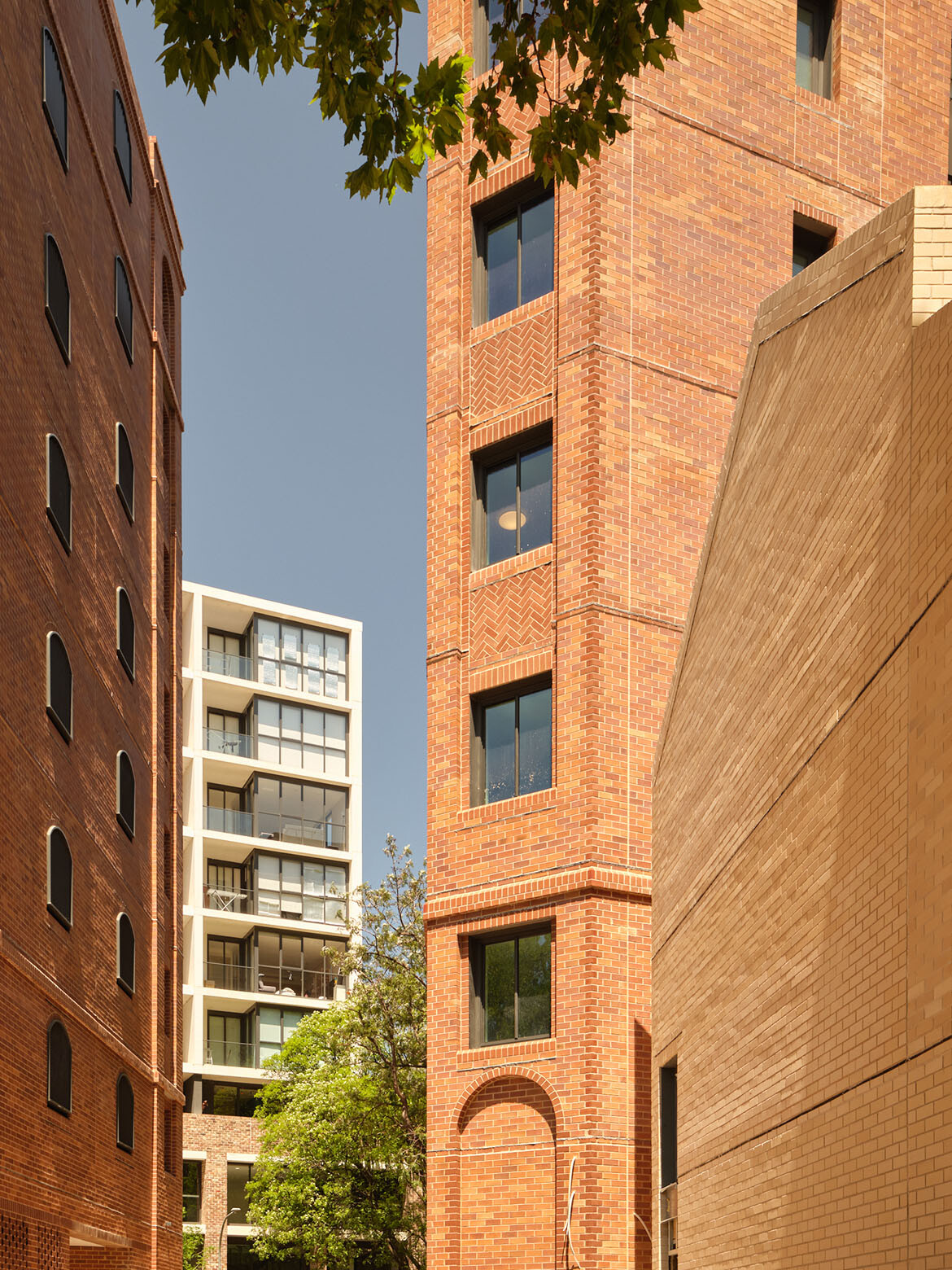
The project comprises two eight-storey towers and a row of three-storey terrace houses. Significantly, it sees the completion of 75 new social homes compared to the previous number of just 19 social housing dwellings.
“Cowper Street Housing is a showcase of traditional architectural approaches where the values of making and crafting our built environment are measured alongside cost and efficiency,” says Graeme Dix, project director from JPW.
“Several years in delivery, the project anticipated the growing need for density done well in the NSW housing strategy. The creation of this substantial uplift in social housing on a site previously occupied by social housing — with such a strong focus on amenity, liveability and sustainability — demonstrates that density, even in some of the most densely populated suburbs of Sydney, can be done well.”
Related: Two award-winning Sydney architects on city density and the bush
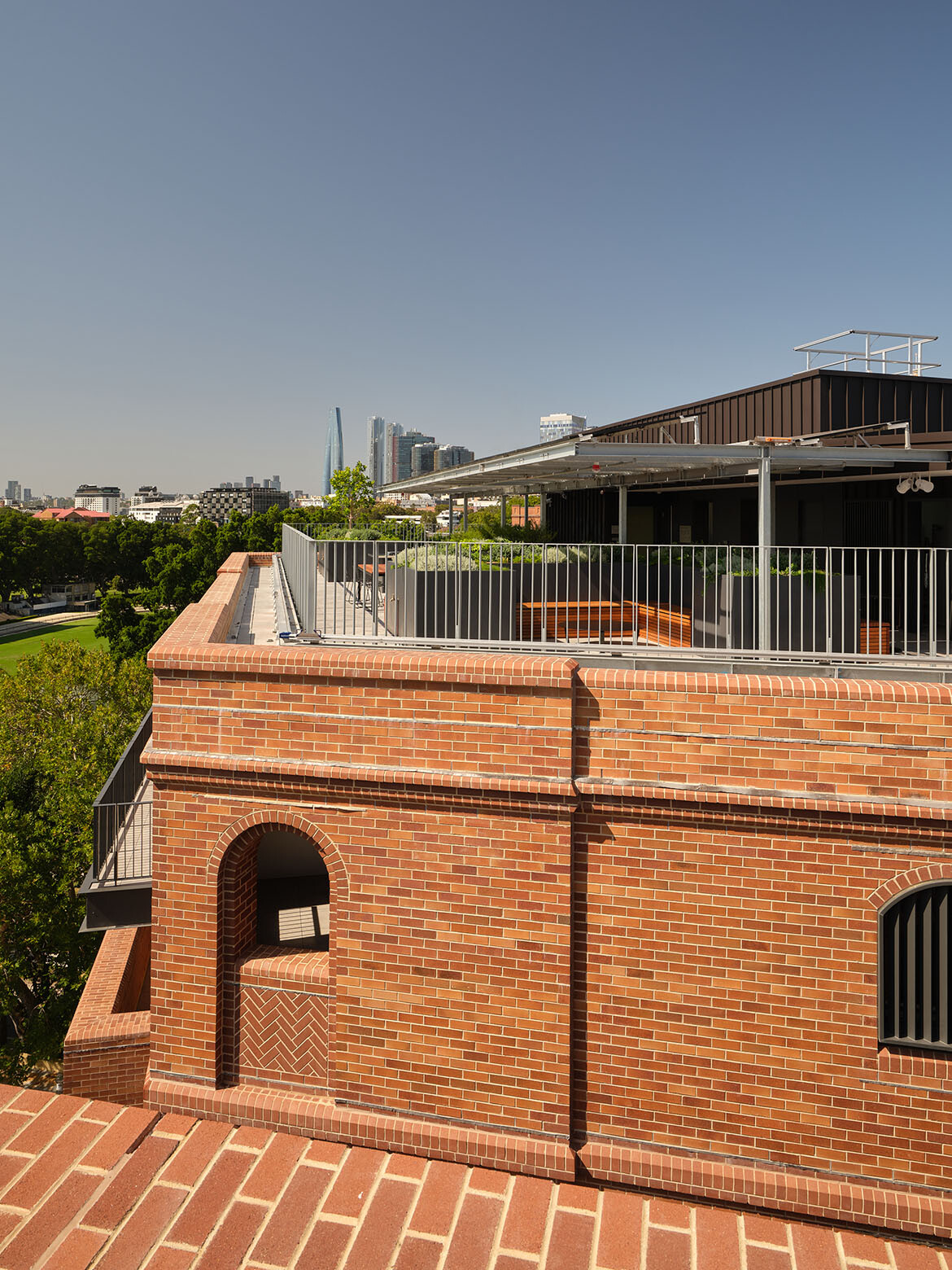
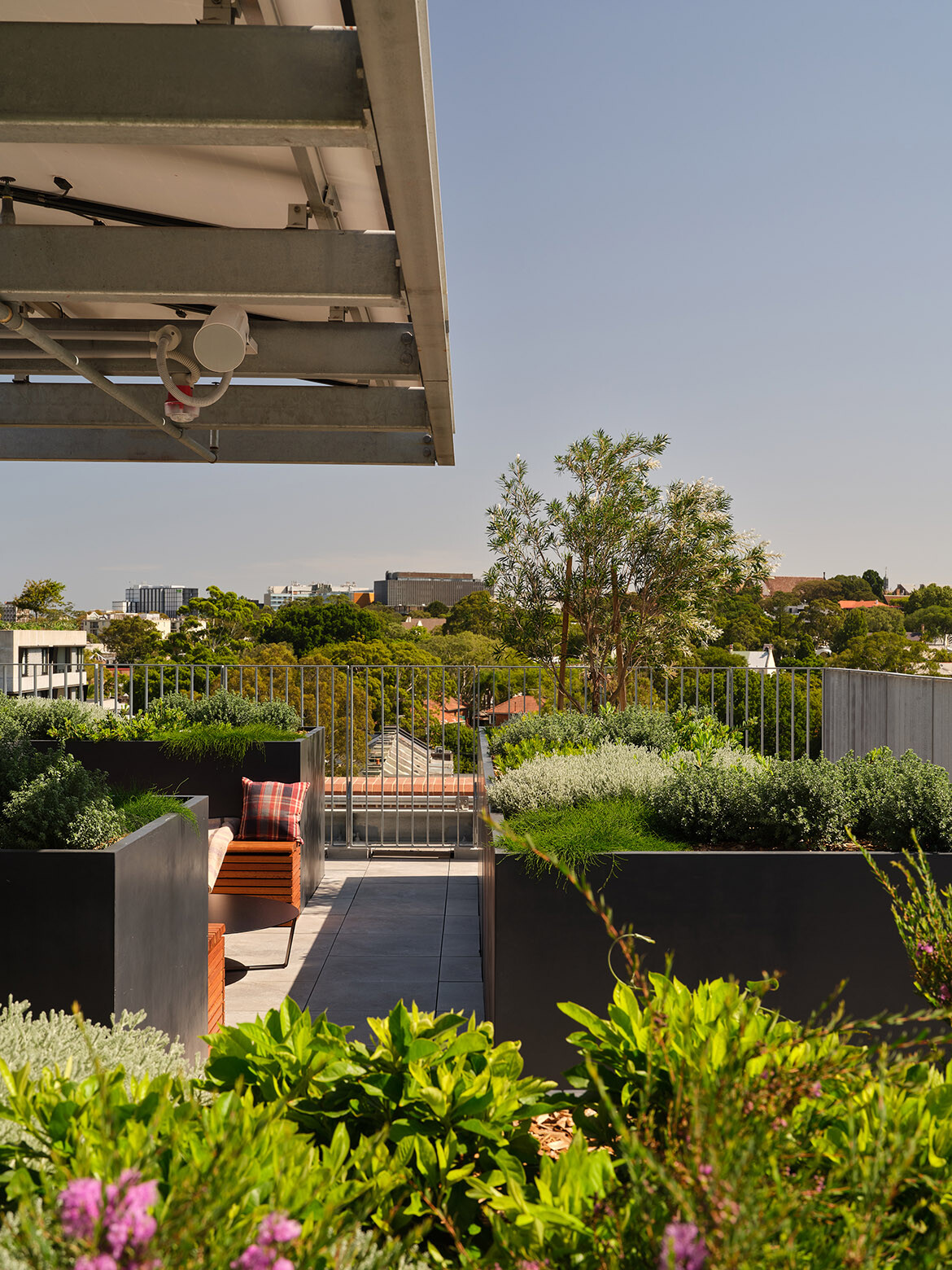
The intervention in this part of Sydney seems architecturally significant for a number of reasons. First, it demonstrates the benefits of engaging with an existing housing site in order not to demolish but to improve. Second, and following from this point, it tackles the tired old fallacy that increasing density means losing heritage character. Clearly, there was room here to increase the number of dwellings without treating the site as a tabula rasa.
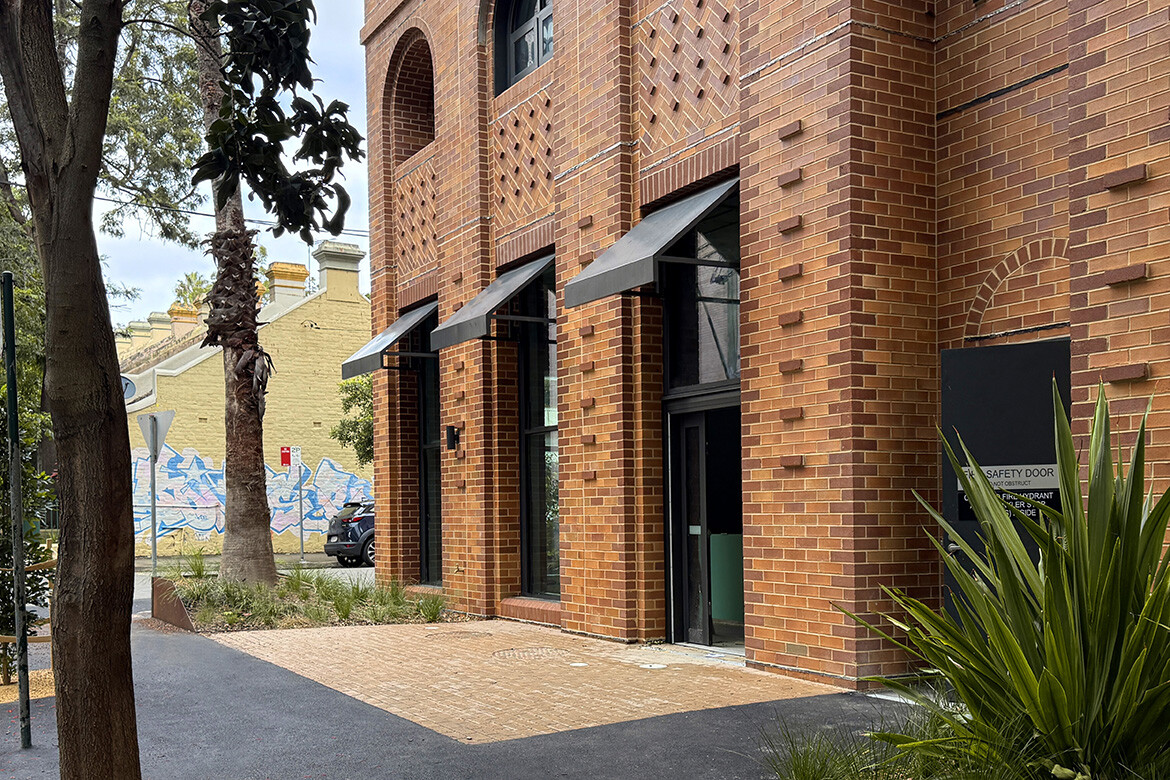
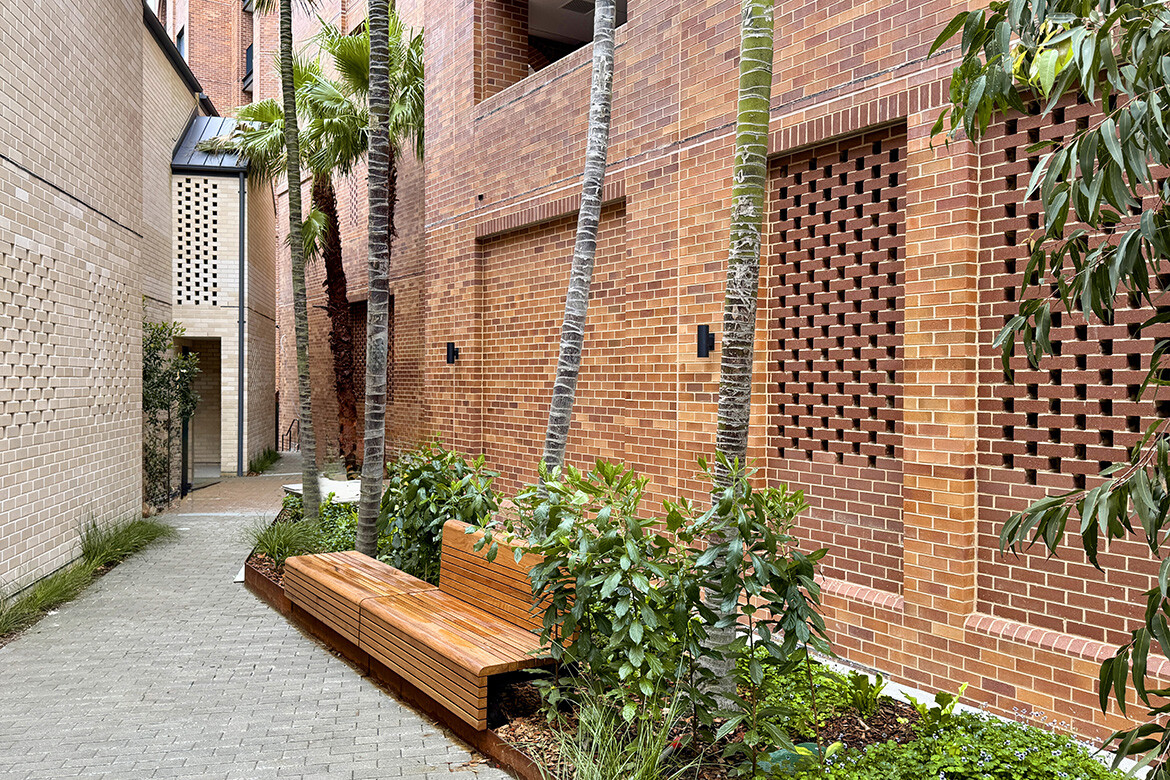
Rebecca Pinkstone, CEO of Homes NSW, comments: “Cowper Street shows how good design can help deliver more homes in established communities without losing what makes those places work. The project has been carefully designed to respond to the character of Glebe while improving the quality, accessibility and amenity of social housing for residents. By combining thoughtful design with sustainable construction, we’re delivering homes that are built to last and support strong, connected communities.”
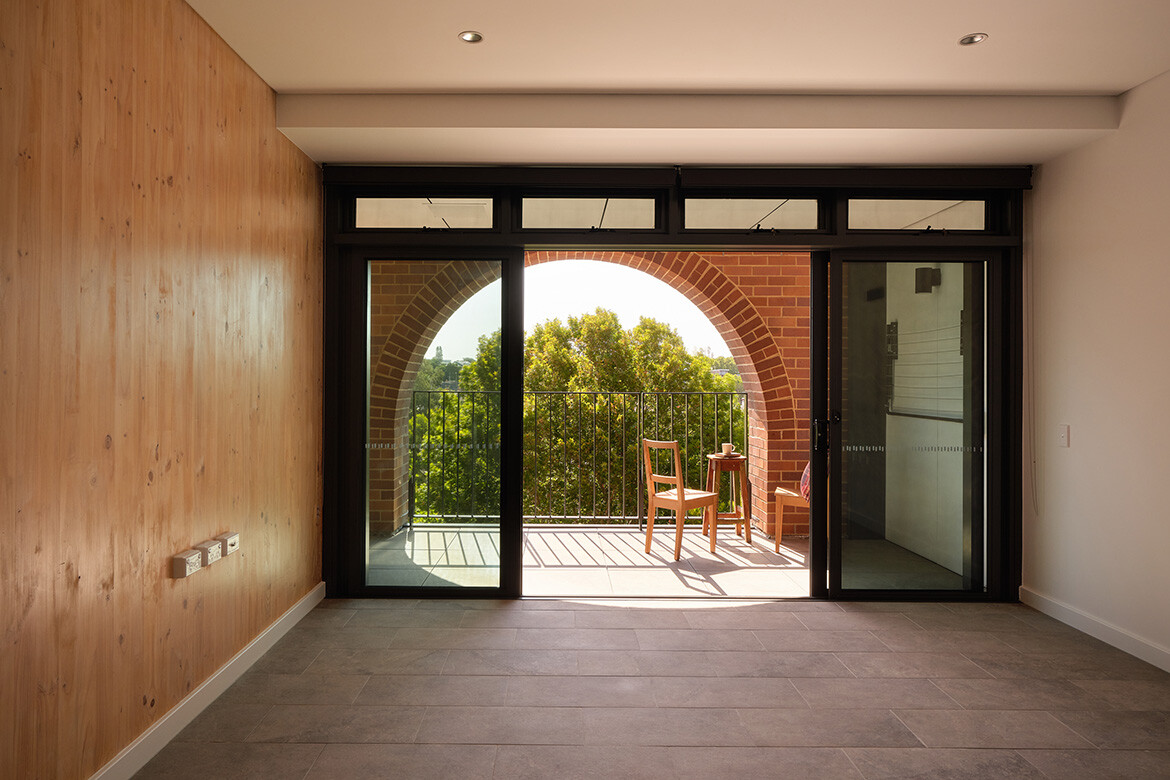
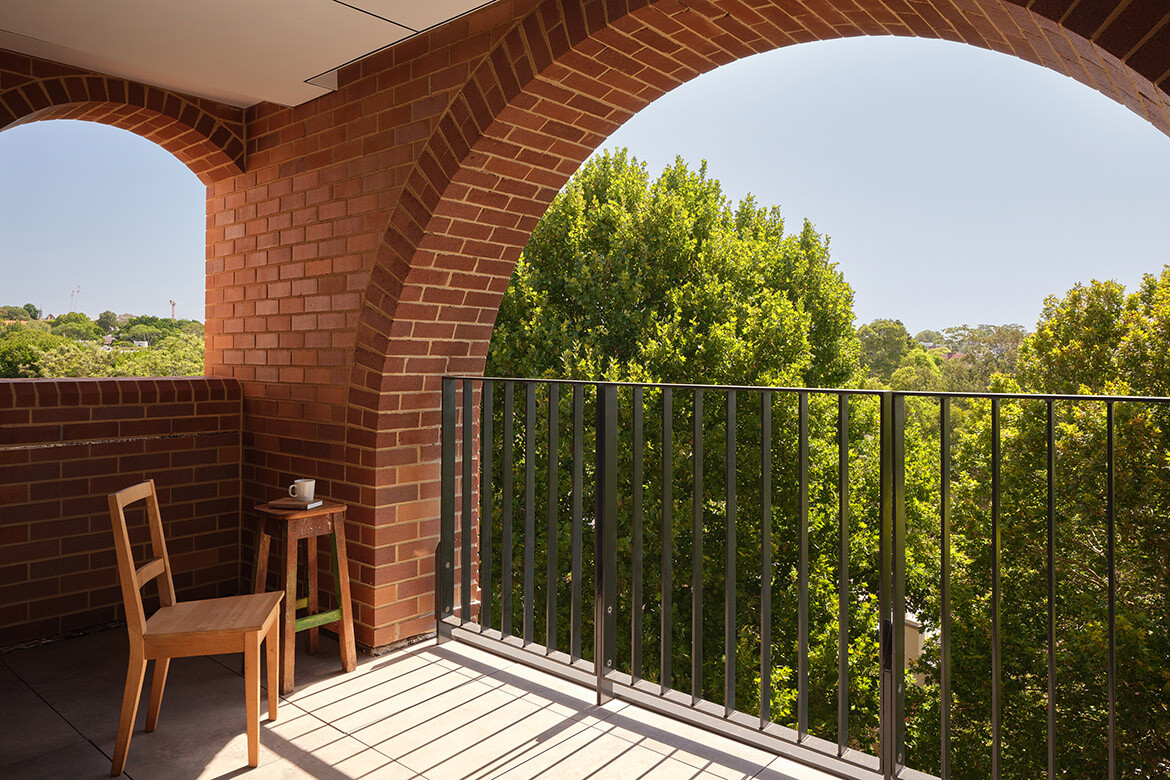
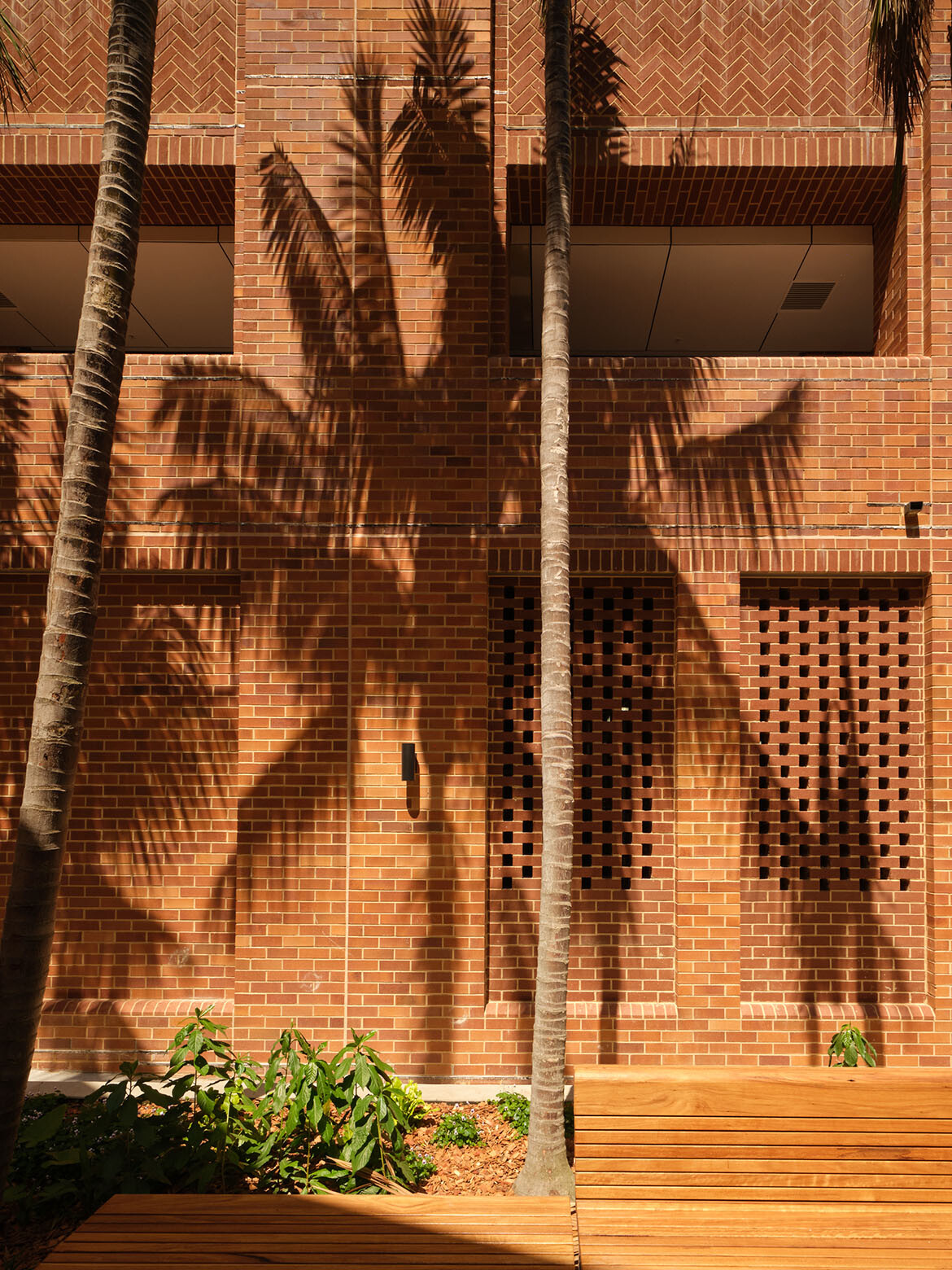
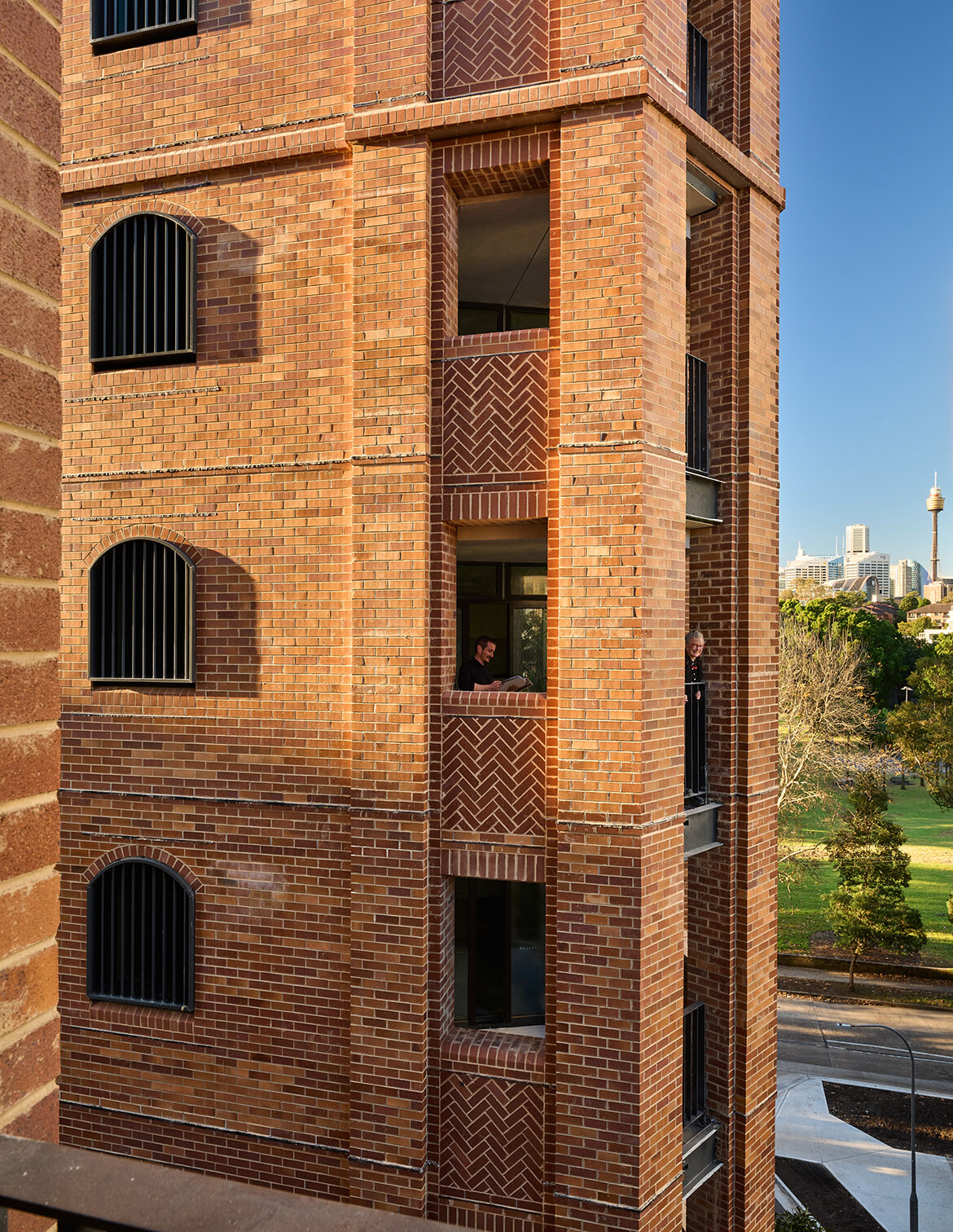
The design features countless nooks with city or surrounding inner west views, while passage between the main building forms is scaled to be deliberately intimate and humane. It continues to feel like a part of the inner city fabric rather than some decontextualised brick blocks. The designers also explain that Cowper Street Housing “is the first 6-star Green Star social housing development that is fully electric, with low embodied carbon CLT structure, preferring cycling, communal roof garden, and exceeding deep soil and urban canopy targets introduced by the City of Sydney.”
JPW
jpw.com.au
Photography
Alicia Taylor
INDESIGN is on instagram
Follow @indesignlive
A searchable and comprehensive guide for specifying leading products and their suppliers
Keep up to date with the latest and greatest from our industry BFF's!
The internet never sleeps! Here's the stuff you might have missed