The home of architecture and design in the Asia-Pacific
Get the latest design news direct to your inbox!

Get the latest design news direct to your inbox!
Our region is front and centre in efforts to respond innovatively to some of the world’s biggest challenges. The INDE.Awards are a platform to collectively discuss and celebrate world-leading efforts to shift the paradigm through architecture and design.

S Space (Vietnam) by H&P Architects. Winner, The Social Space, INDE.Awards 2019. Photo by Nguyen Tien Thanh
January 22nd, 2020
Chaotic urbanisation. Housing affordability. Water scarcity. Flooding and waterlogging. Rising temperatures. The threat of fire. Changing lifestyles and social inequality. Pollution and environmental degradation. The loss of heritage…
There are many factors that compromise the resilience of nations and cities in the Indo-Pacific region. But there are just as many opportunities to combat these forces through a progressive and creative attitude.

Macquarie University Incubator (Australia) by Architectus. Winner, The Learning Space, INDE.Awards 2018. Photo by Brett Boardman
Shining a light on such sparks of innovation has always been core to the INDE.Awards, and with issues of sustainability and climate change now preoccupying a much greater proportion of the architecture and design community, the 2020 awards cycle is set to unearth even more examples of how our region can shift the paradigm.
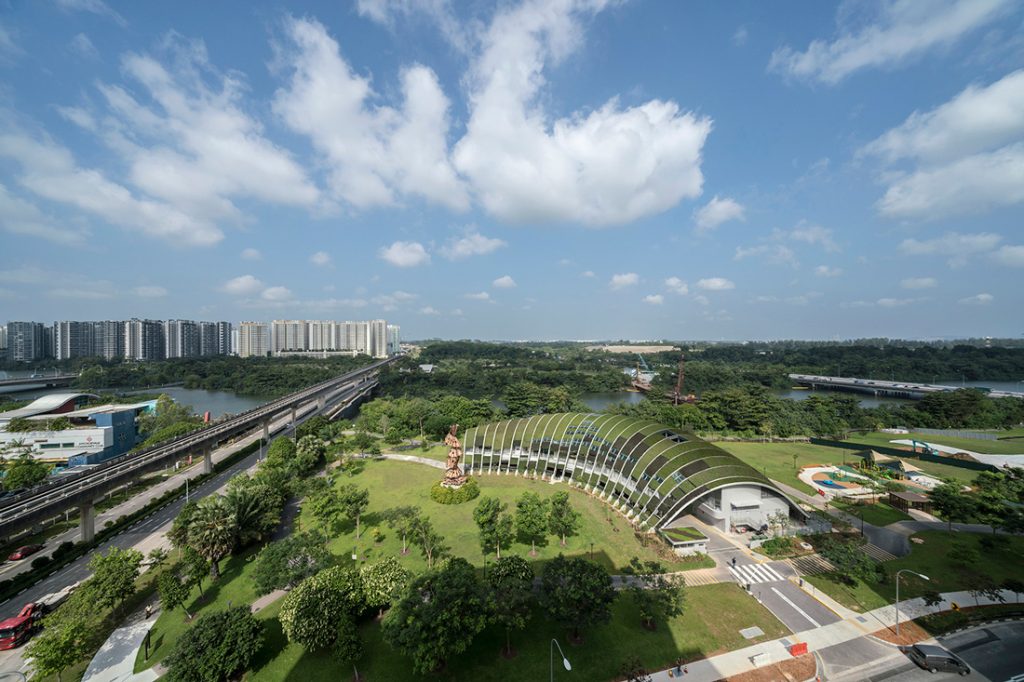
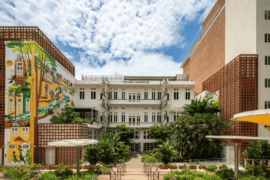
Sengkang Riverside Park Centre (Singapore) by Freight Architects. Shortlisted, The Learning Space, INDE.Awards 2018. Photo by Darren Soh
“One of the reasons why the Indo-Pacific region is so interesting is because it is developing and changing rapidly. New conditions are emerging, particularly in Asian cities, and that impacts how we are designing buildings and environments for them,” says INDE.Awards 2020 Jury member Luke Yeung (Principal, Architectkidd, Thailand).
He continues, “I don’t think the established building types and models are necessarily relevant anymore. Designers are now not just following the program and brief but are required to question it, and that is leading to interesting new results.”
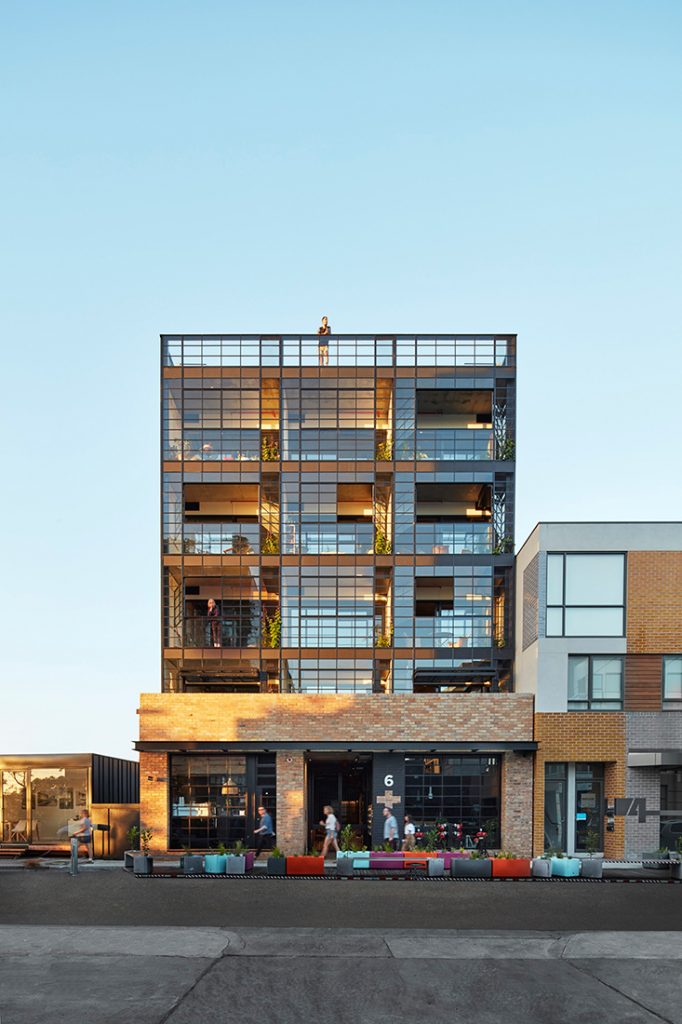
Nightingale 1 (Australia) by Breathe Architecture. Winner, The Multi-Residential Building, INDE.Awards 2018. Photo by Peter Clarke
The large populations of many Indo-Pacific countries, and the density at which people live, bring the potentials of intelligent and sensitive architecture and design even more sharply into view via the scale of potential implementation. Says INDE.Awards 2020 Jury member Eleena Jamil (Principal, Eleena Jamil Architect, Malaysia), “It will be fantastic to see more projects that respond to the current climate crisis in terms of function, form and materiality. I think designs that are low in their energy use and carbon footprints are extremely essential in setting the standards for building globally for the masses.”
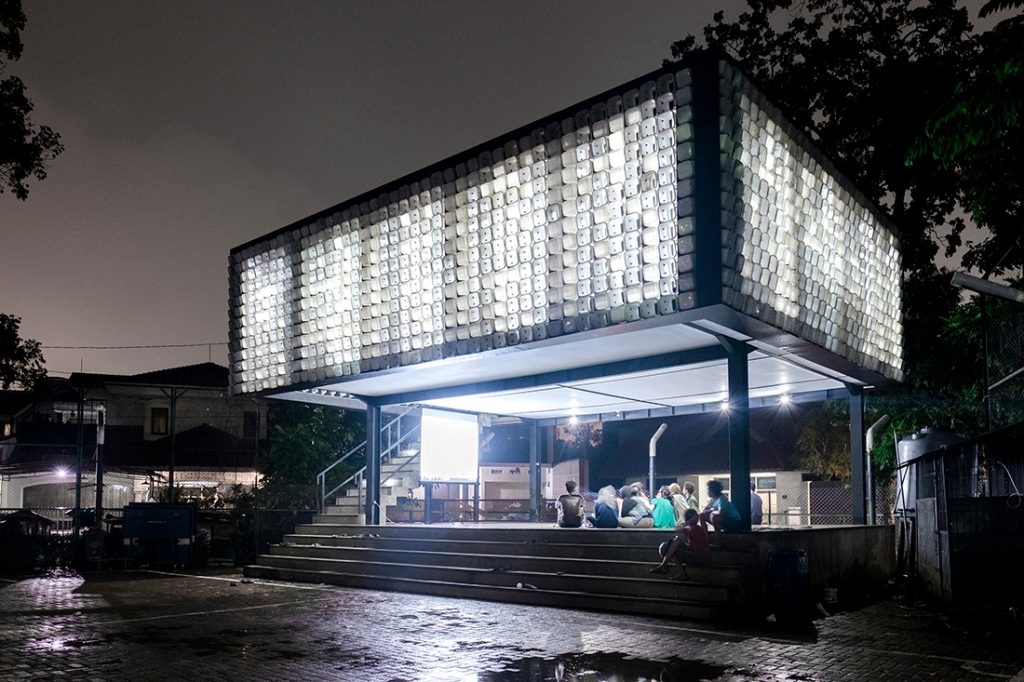
Microlibraries (Indonesia) by SHAU. Winner, The Influencer, INDE.Awards 2018. Photo by SHAU/Sanrok Studio
She adds, “The Indo-Pacific region is one of the most diverse parts of the world with its rich variety of local natural resources, cultures and typologies. I think there is a great opportunity within this region, with its unique diversity, to produce interesting architecture that can be regarded as varying examples of advancing a more sustainable way of living and building.”
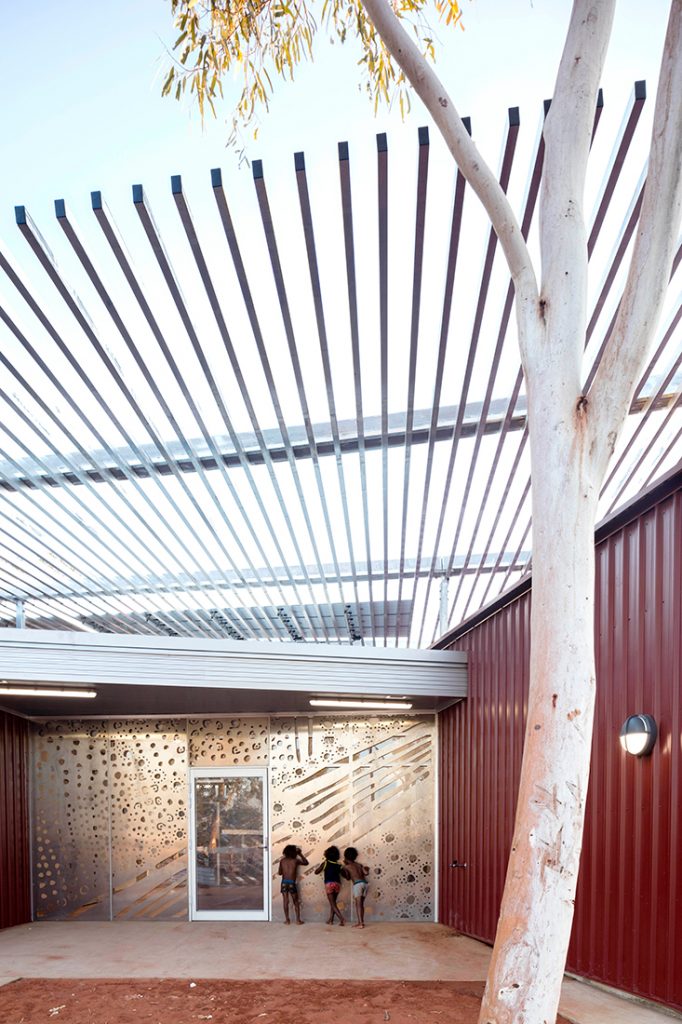
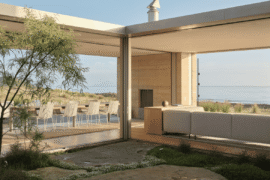
Punmu & Parnngurr Aboriginal Health Clinics (Australia) by Kauntiz Yeung Architecture. Winner, The Wellness Space, INDE.Awards 2019. Photo by Brett Boardman
Steps are being taken in the region toward a collective stance around key issues. Notes INDE.Awards 2019 Editors’ Gold Mark winner and 2020 Jury member Koichi Takada (Director, Koichi Takada Architects, Australia), “Initiatives like Architects Declare (AU) [also recently launched in Singapore via Construction Declares] and Green Star provide the resources and knowledge needed to combat our biggest challenge. I hope to see firms and their projects harnessing these tools, while also passing on the knowledge and educating their clients – developers and private.”
He adds, “We, the Indo-Pacific region, need to be leaders in encouraging the industry to facilitate important calls, to make the city much more sustainable for generations to come.”

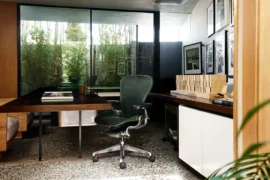
Space & Time (Australia) by Russell & George. Winner, The Work Space, INDE.Awards 2019. Photo by Paul Martin
And now, it’s over to you. Demonstrate your industry leadership by submitting your most progressive, innovative and sensitive work to the INDE.Awards 2020 by 21 February and show the world why the Indo-Pacific is a region to watch.
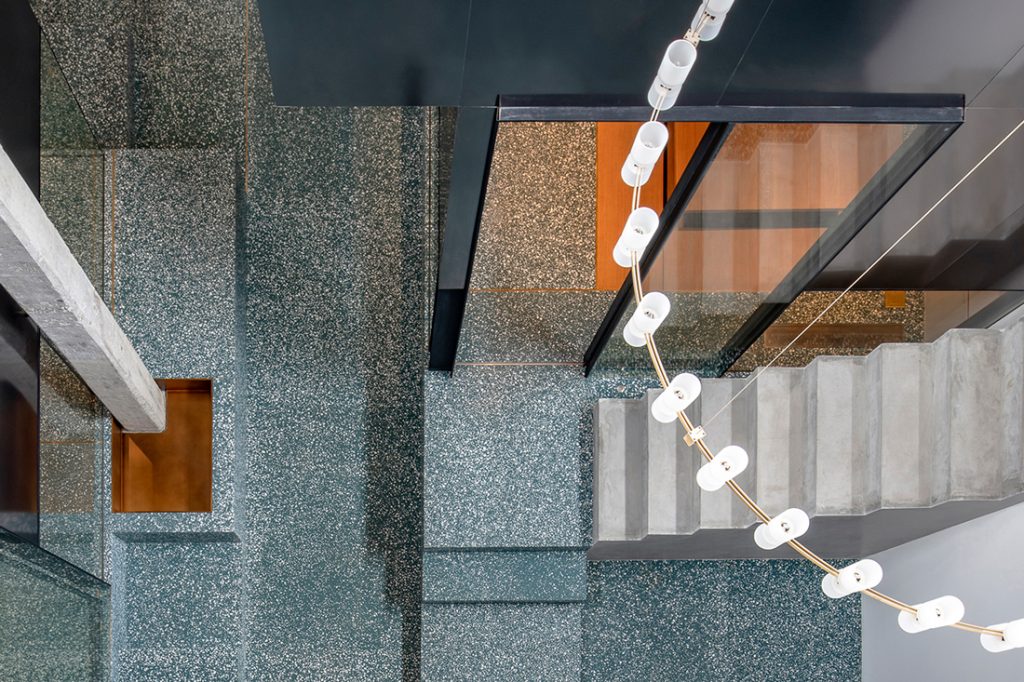
Tingtai Teahouse (China) by Linehouse. Honourable Mention, The Social Space, INDE.Awards 2019. Photo by Dirk Weiblen
INDESIGN is on instagram
Follow @indesignlive
A searchable and comprehensive guide for specifying leading products and their suppliers
Keep up to date with the latest and greatest from our industry BFF's!
The internet never sleeps! Here's the stuff you might have missed