The home of architecture and design in the Asia-Pacific
Get the latest design news direct to your inbox!

Get the latest design news direct to your inbox!
Paul Conrad, Conrad Architects founding director, designs premium residential homes and developments in many of Melbourne’s best streets.

Paul Conrad, photography by Timothy Kaye.

July 14th, 2022
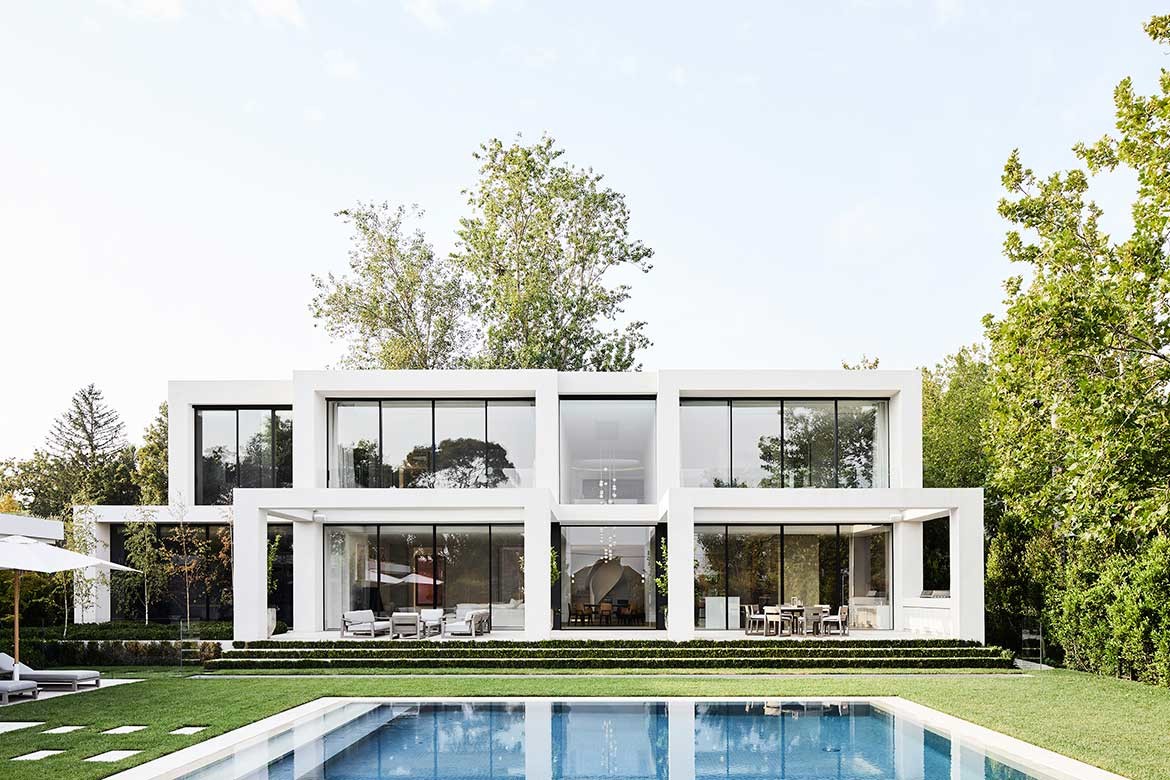
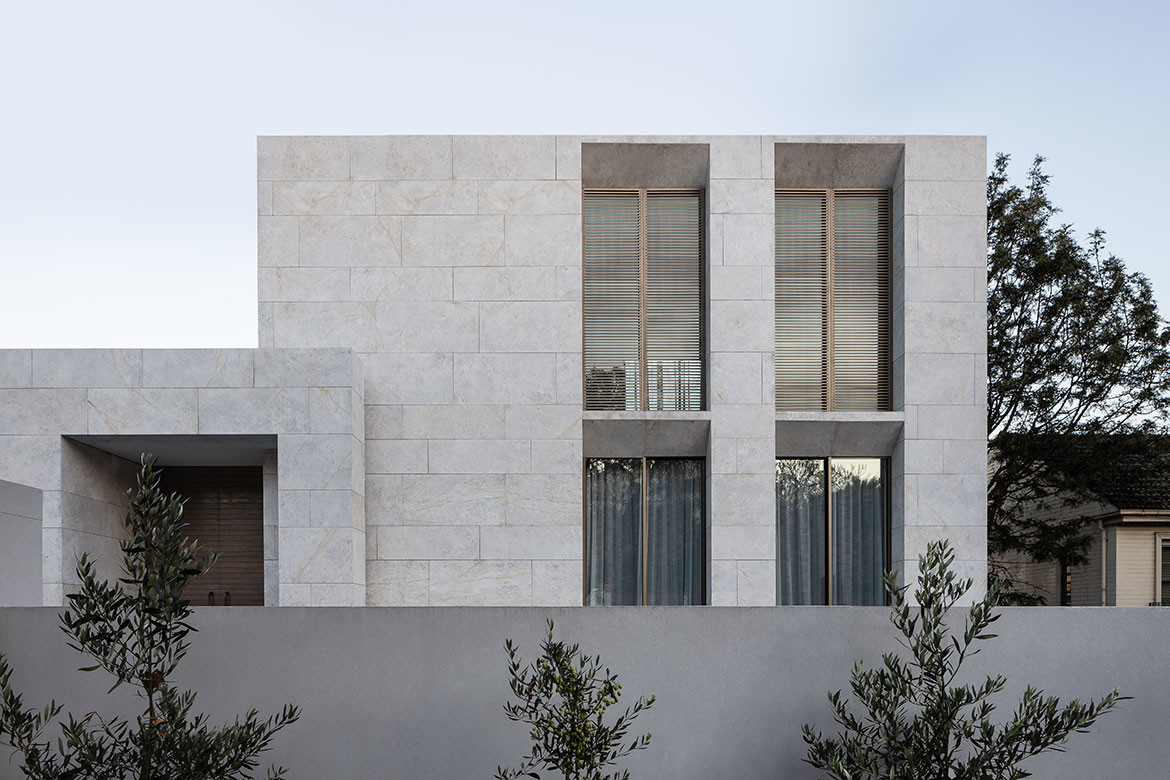
One of the designs in Toorak by the founding director of Conrad Architects, Paul Conrad – a four-year-old residential mansion – sold for a record-breaking $38.5 million early this year. He says the traditional interpretation of luxury has shifted in Australia.
“The idea of a luxury house in a classical sense is a formal mansion built of stone,” he says. “It was all about the façade and being big and impressive as a symbol of status and wealth.”

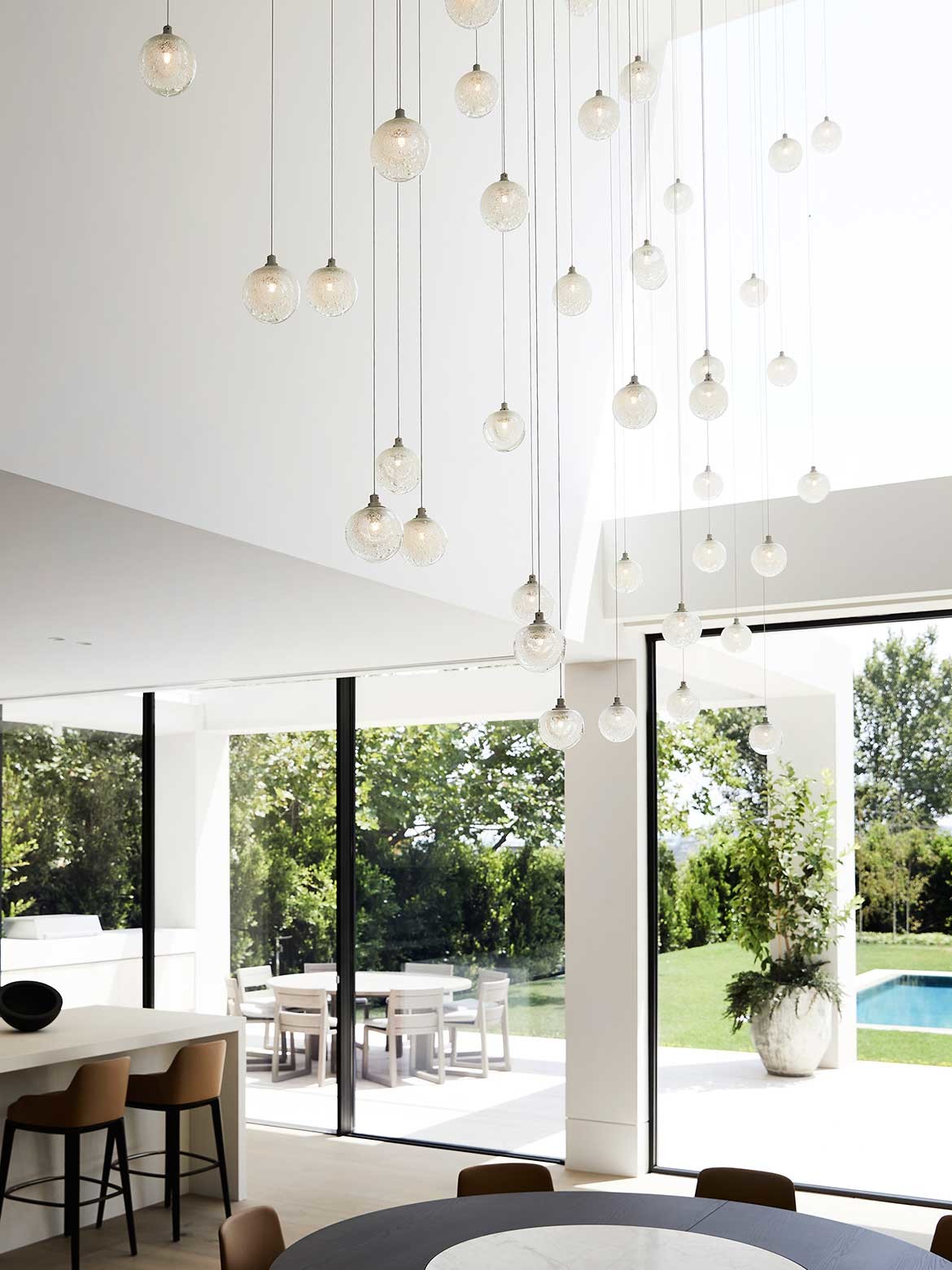
Now, luxury is more about interiors than street presence, with homes resembling sanctuaries and offering a sense of escape from life’s busyness.
“I think now, people are a lot more interested in the quality of the internal spaces and how these can improve the quality of life,” he says.
For an architect whose best work is inspired by this principle, it’s a welcome shift.
“Even at university, you’d build models of the house and hold it in your hand and turn it around and see what it looked like. That seemed a bit foreign because no one’s ever going to experience a house 40 metres in the air,” Conrad says.
His love for Modernism was born in Melbourne, during his university training and further honed in London, where he worked in a large commercial architectural practice. There, he began an invaluable mentorship with his boss, who was a senior architect at US-based Skidmore Owings & Merrill (SOM).
Despite living within a 150-plus firm, the two worked together like an independent middle office on designs and design competitions.
“But he couldn’t use a computer,” he laughs. “So, he pretty much just sat over my shoulder, all day, every day and I was his hand.”
Related Content: 5 stunning spaces that are ‘set in stone’
Bit by bit, Conrad’s approach formed: learning to rework and rethink every drawing and detail over and over, developing a rigorous approach to design inspired by SOM’s Modernist focus.
“For me, it was about a kind of geometric rigour and a tight order. My boss taught me to push design really hard and interrogate it. It was never just about building a quick design,” he says.
Today, more than 20 years later and with his own practice, Conrad’s rigorous approach to geometry and planning hasn’t changed, but he looks from the inside out first as a point of difference.
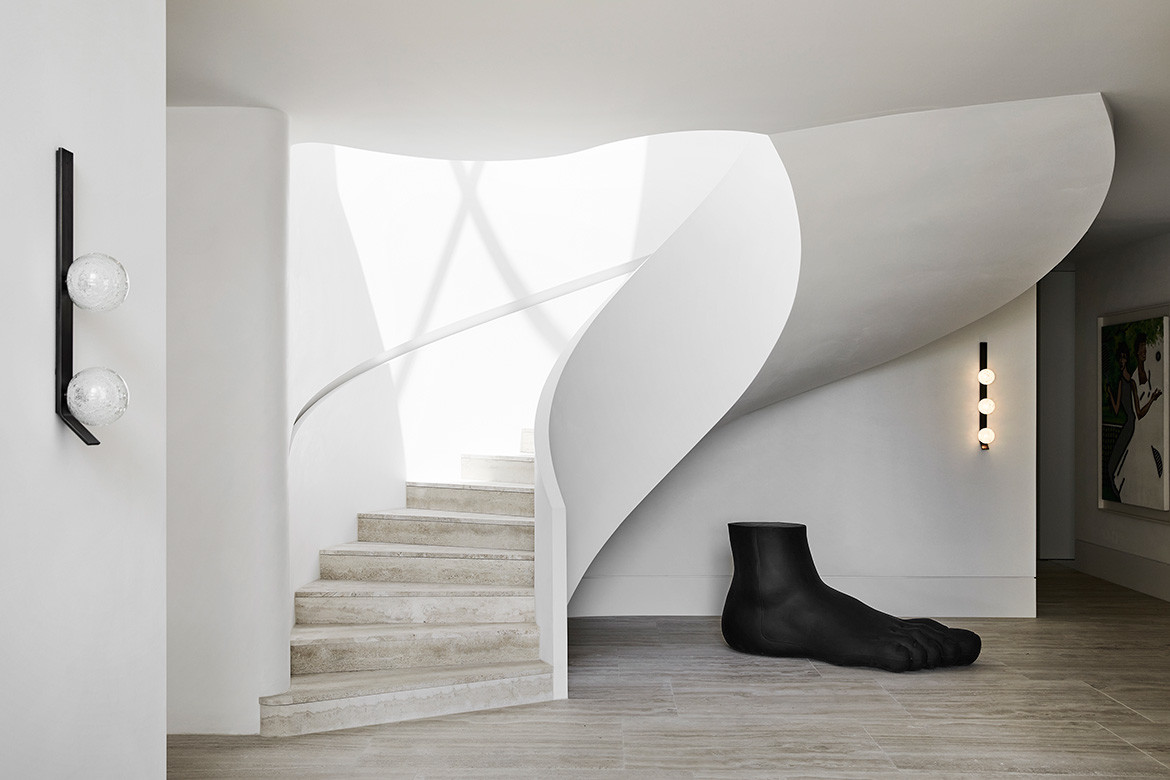
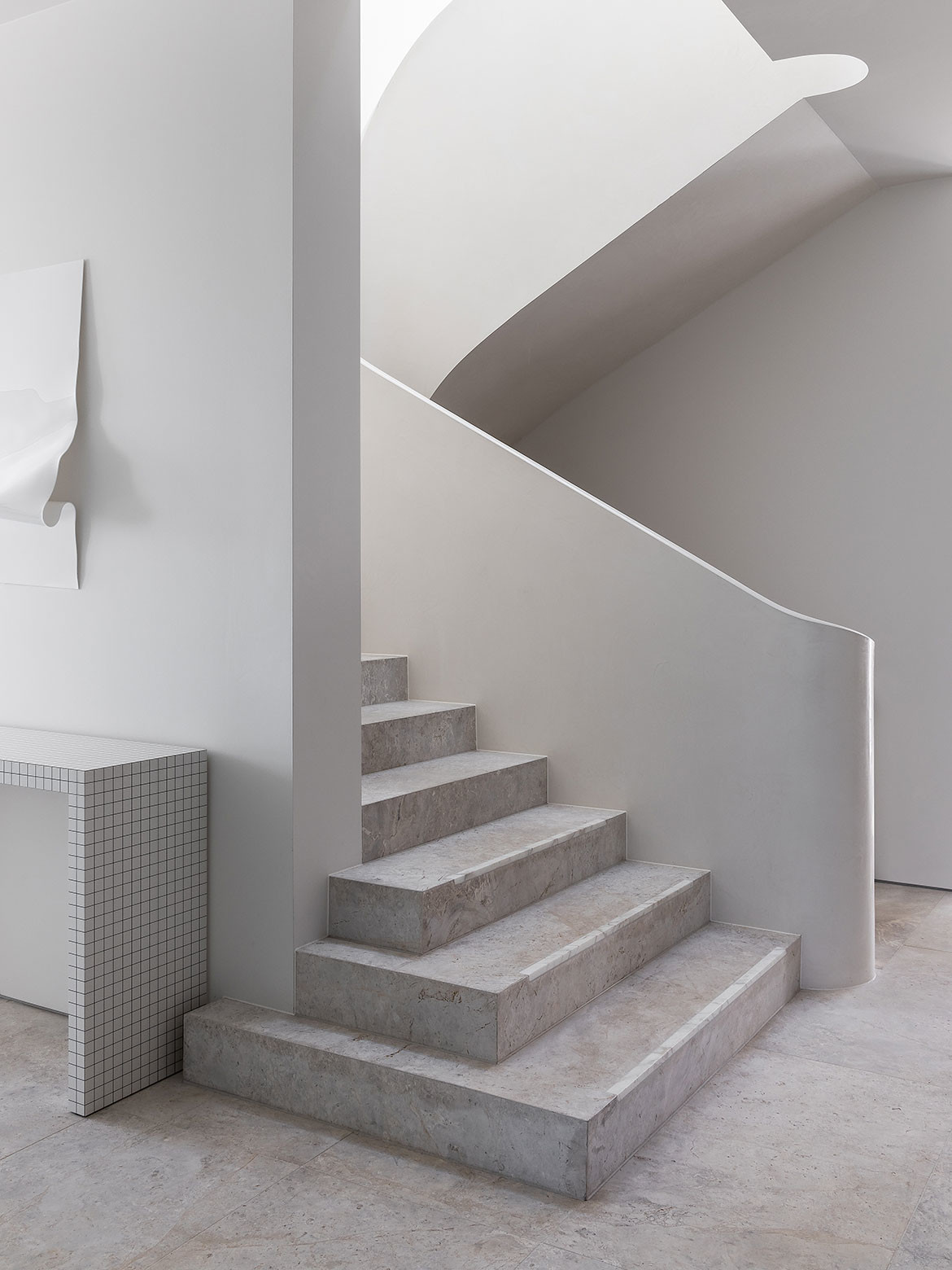
“If you can get a space to have a beautiful proportion, basic structure, a beautiful view and natural light, I think that’s the hard work done. Because if you get the proportion wrong, you’re never going to rescue it.”
Connected to this, is introducing the idea of wellness and health within interiors — in line with the shift in luxury design.

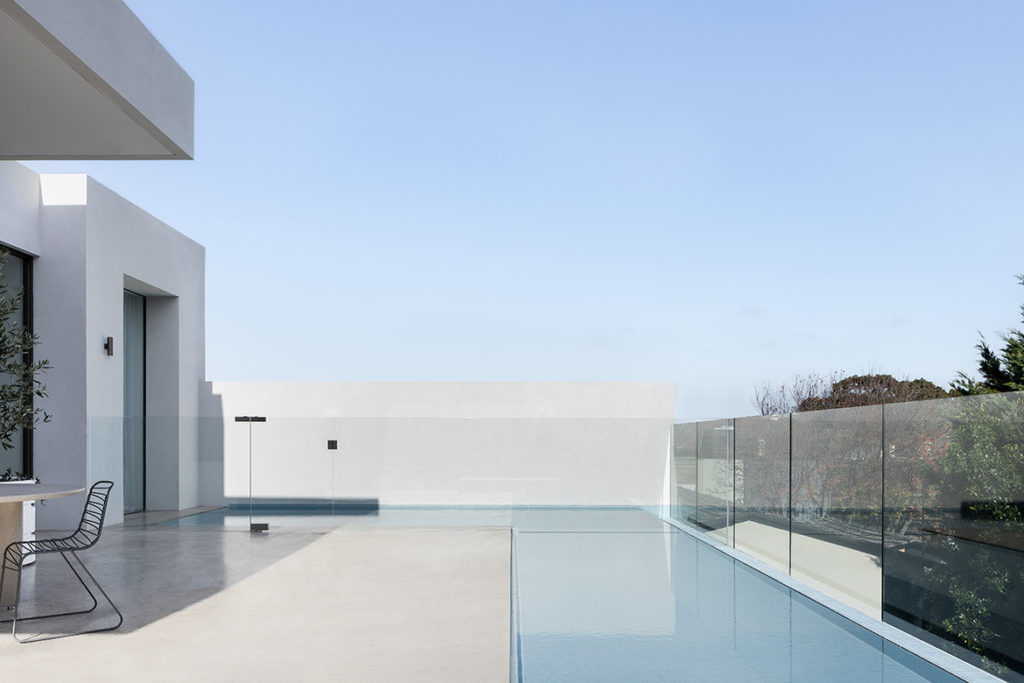
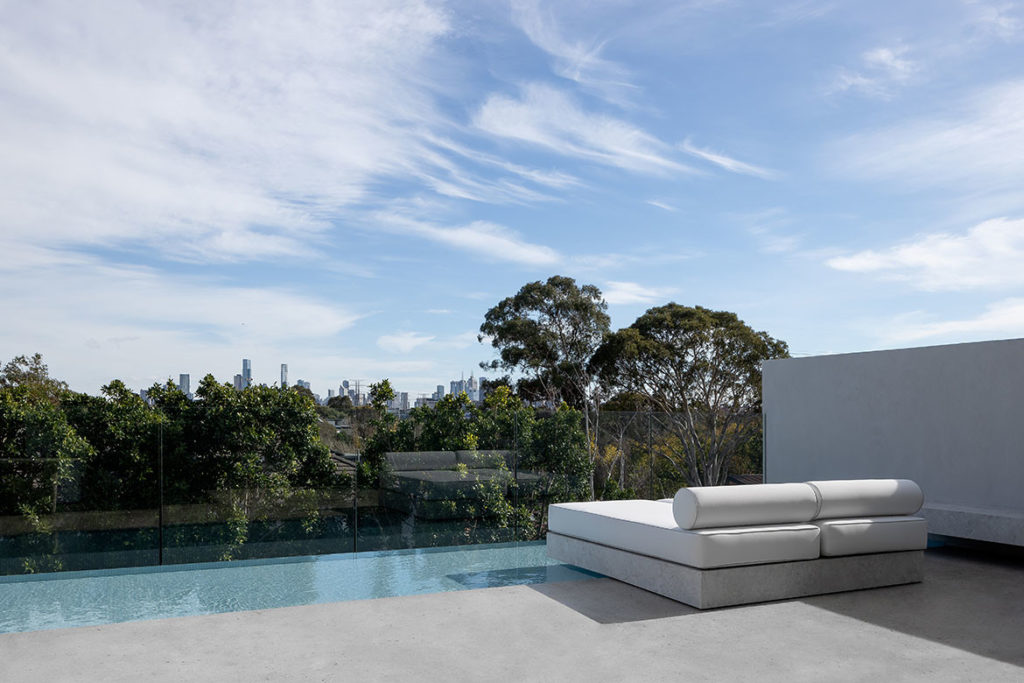
“It’s the importance of bringing landscape into the house and the connection of indoors to outdoors, which was never done in those traditional mansions,” he says.
Now with a team of 16 based in Melbourne, Conrad continues to have a full list of high-end residential and development projects in Melbourne, LA, New York, London and Brisbane. “Luckily, Melbourne has a really strong design culture, and everyone seems to be really busy. It’s really buoyant and we are proud to be part of that,” Conrad says.
Conrad Architects
conradarchitects.com.au
Photography
Grange Residence – Timothy Kaye
Toorak Garden Residence – Sharyn Cairns
We think you might like this article about Kirsti Simpson’s plan for Woods Bagot.
INDESIGN is on instagram
Follow @indesignlive
A searchable and comprehensive guide for specifying leading products and their suppliers
Keep up to date with the latest and greatest from our industry BFF's!
The internet never sleeps! Here's the stuff you might have missed