The home of architecture and design in the Asia-Pacific
Get the latest design news direct to your inbox!

Get the latest design news direct to your inbox!
Situated within a Renzo Piano designed art precinct, in Hangzhou, China, Lost & Found is an exquisite and sensory in-store experience like no other.


September 14th, 2021
Lost & Found is a lifestyle brand retailing solid timber furniture and accessories that include ceramics, utensils, fabrics and plants that together create a unique retail destination. The essence of the Lost & Found brand is however a sense of home that is projected through the interior design that showcases exemplary and authentic products made by skilled craftspeople.
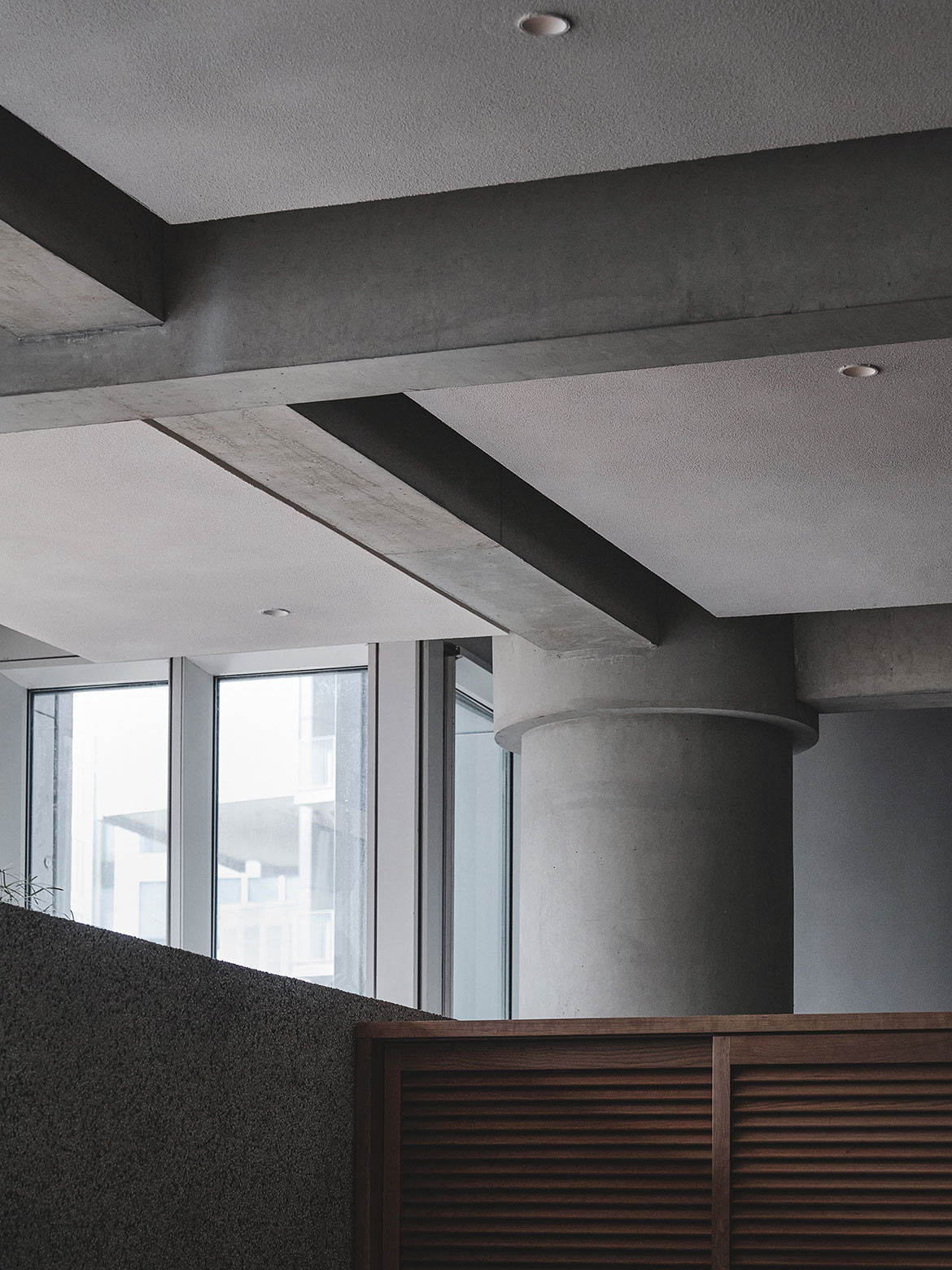
As the second project for Lost & Found designed by B.L.U.E. Architecture, this store in Hangzhou builds on the success of the first in Beijing. Its location is in OōEli, an art park designed by Renzo Piano, and the precinct is a microcosm of an artistic colony as well as home to offices and design hotels, retail and exhibition spaces.
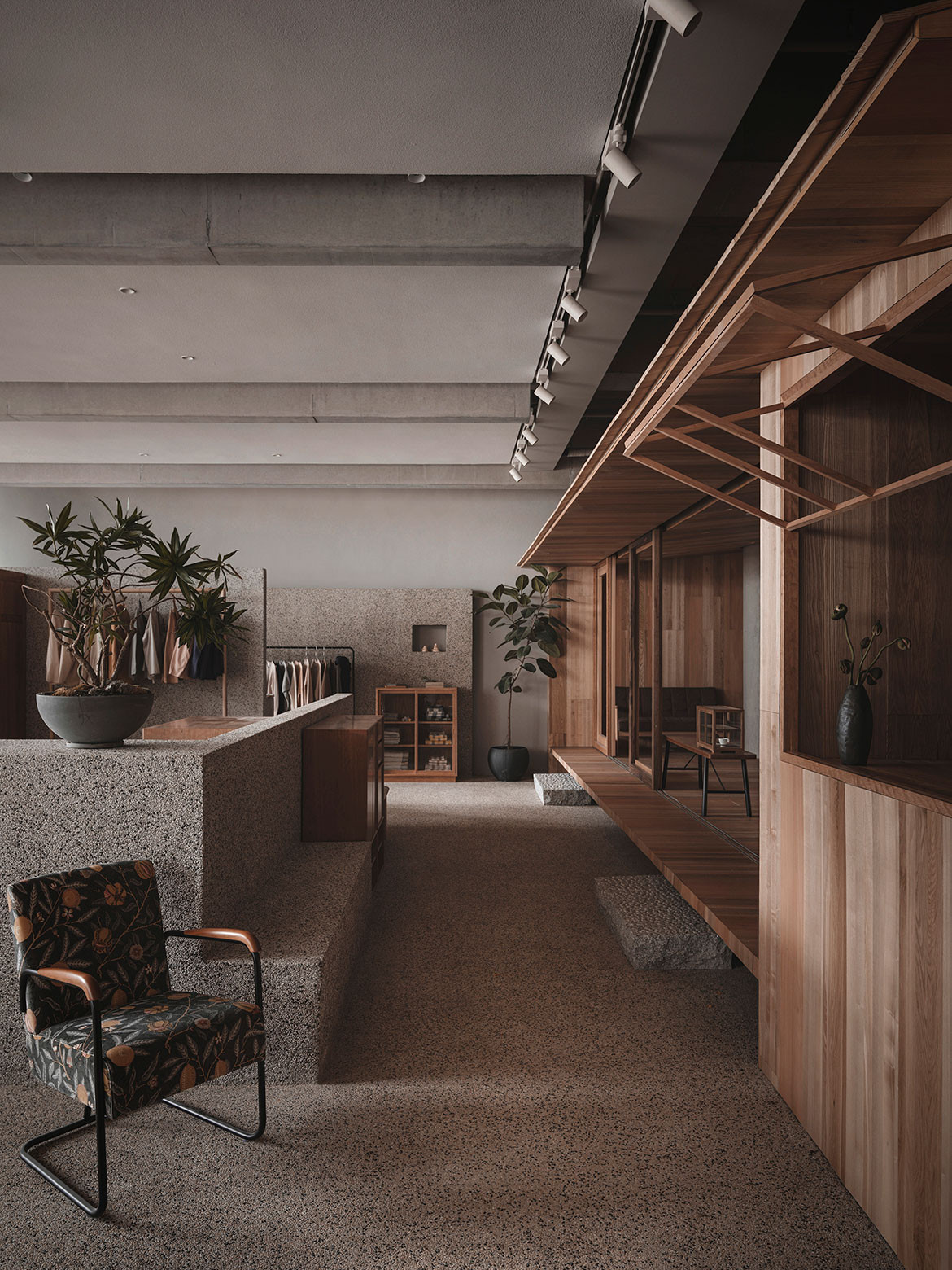

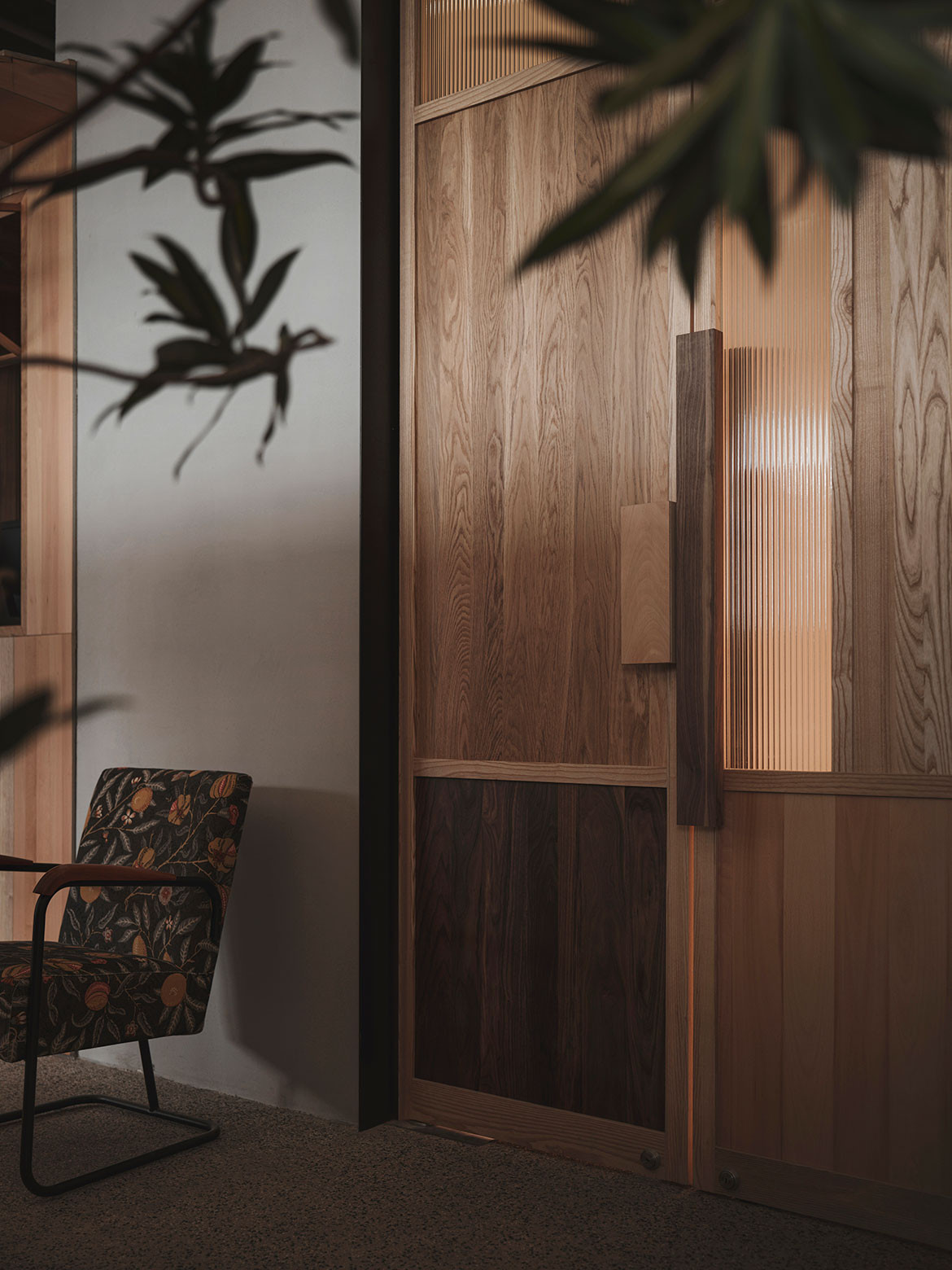
The most beautiful aspect of the interior of Lost & Found is the use of timber in all its manifestations. Not only is the furniture made of timber surrounded by greenery and other natural materiality but the floorplate of 225 square metres is a veritable Aladdin’s Cave of species of wood such as beech, cherry, white oak, walnut, ash and old poplar in various forms. Along with the inclusion of washed stone the interior sings with authenticity, the love of nature and is a celebration of the handmade.
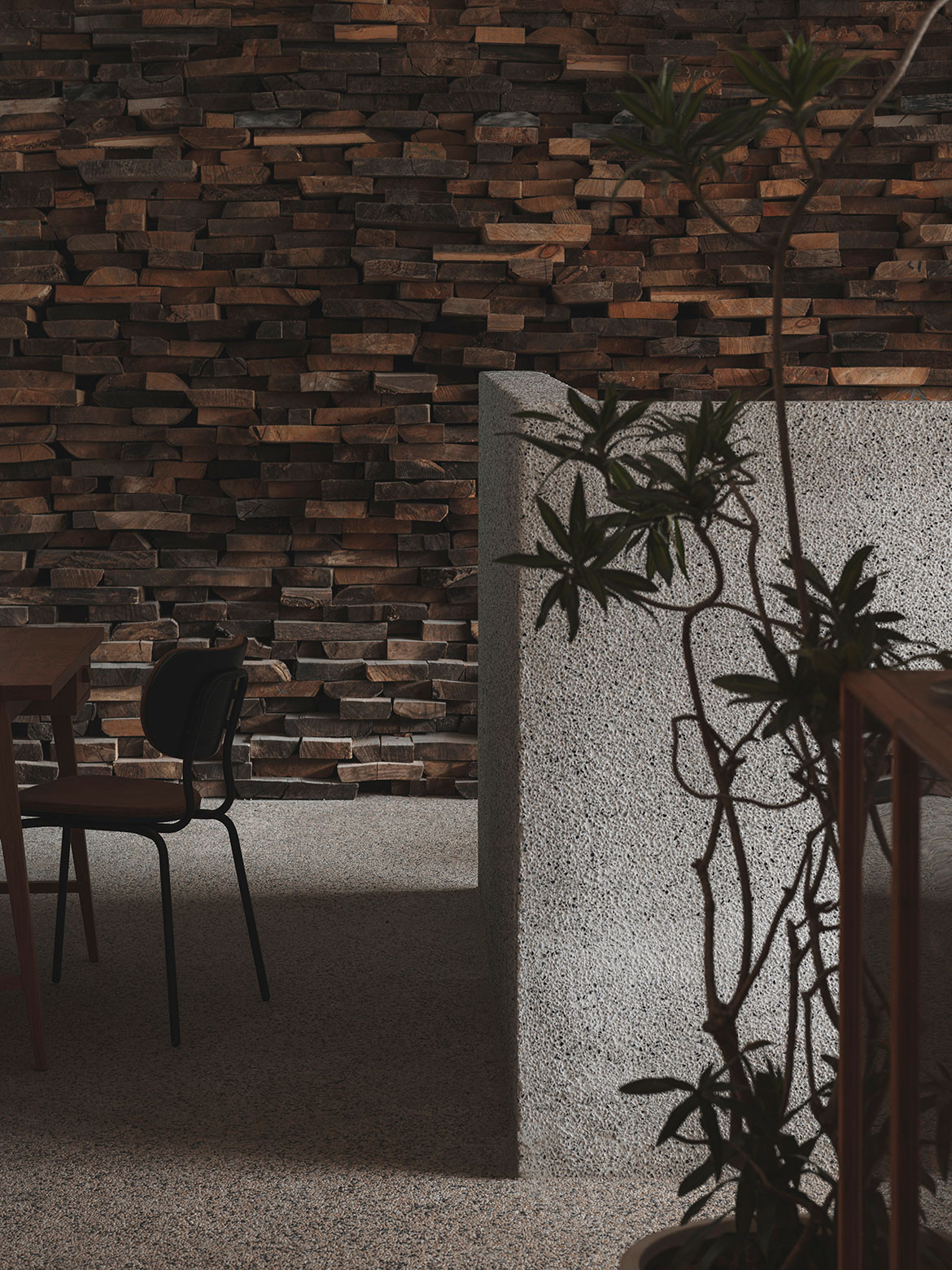
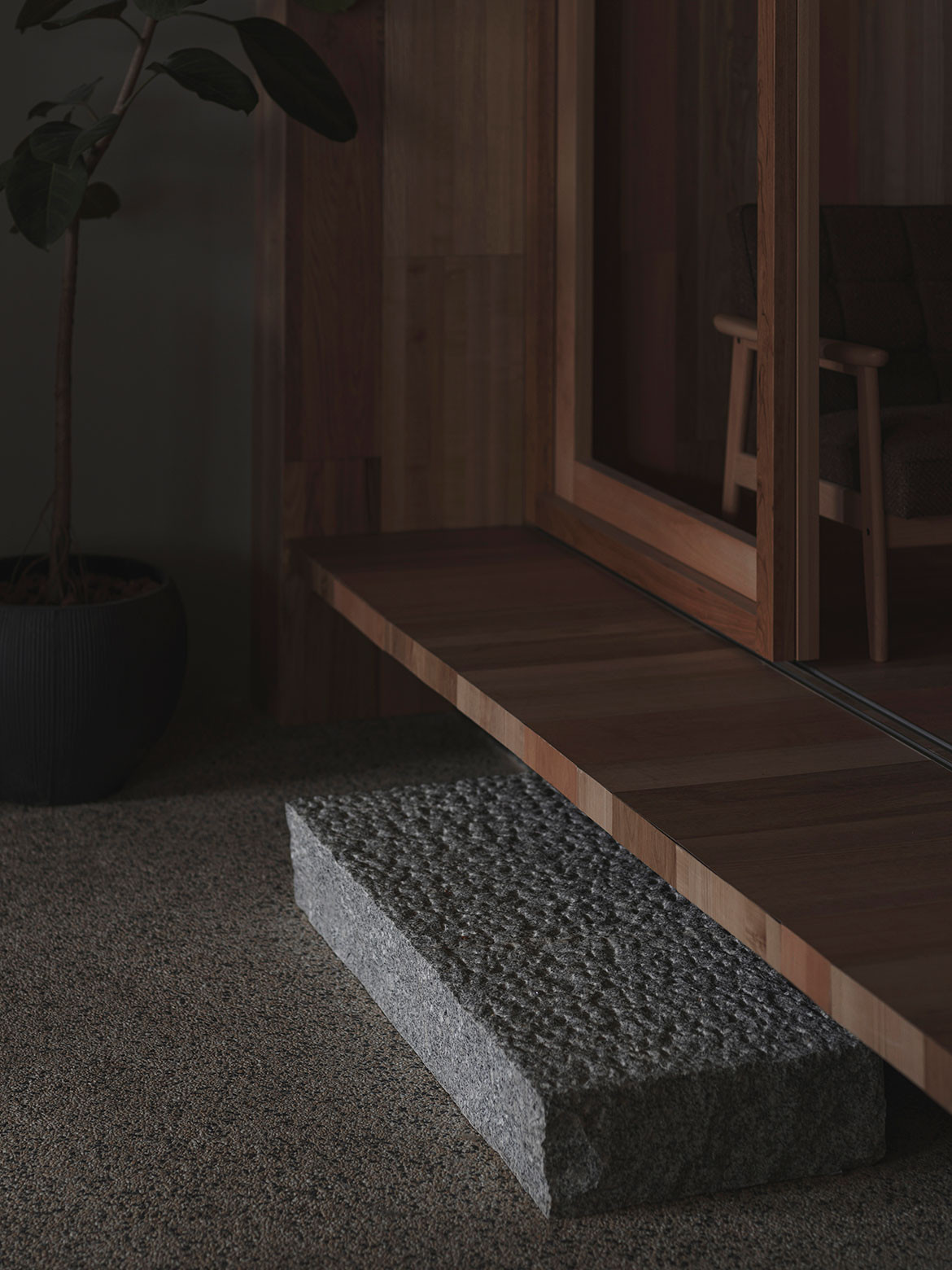
The interior space is divided into display areas and an event space. Furniture is exhibited within three boxes, each with different ‘home’ settings, and accessed by an individual stone step. The various heights that semi-enclose the furniture groupings feature walls of rough washed stone and there is visual texture and physical tactility. Indeed, the journey through Lost & Found becomes a voyage of discovery.


Moving through the displays to the event space designed as a cabin with a pitched roof. This unusual design is the perfect vehicle to accommodate store events and temporary exhibitions and it is here that the many types of timber used in products made by Lost & Found are showcased. The concept was inspired by the surrounding tea fields of Hangzhou and the relationship of humans to nature but the timber also brings warmth to the interior, through the depth of colours and its materiality.
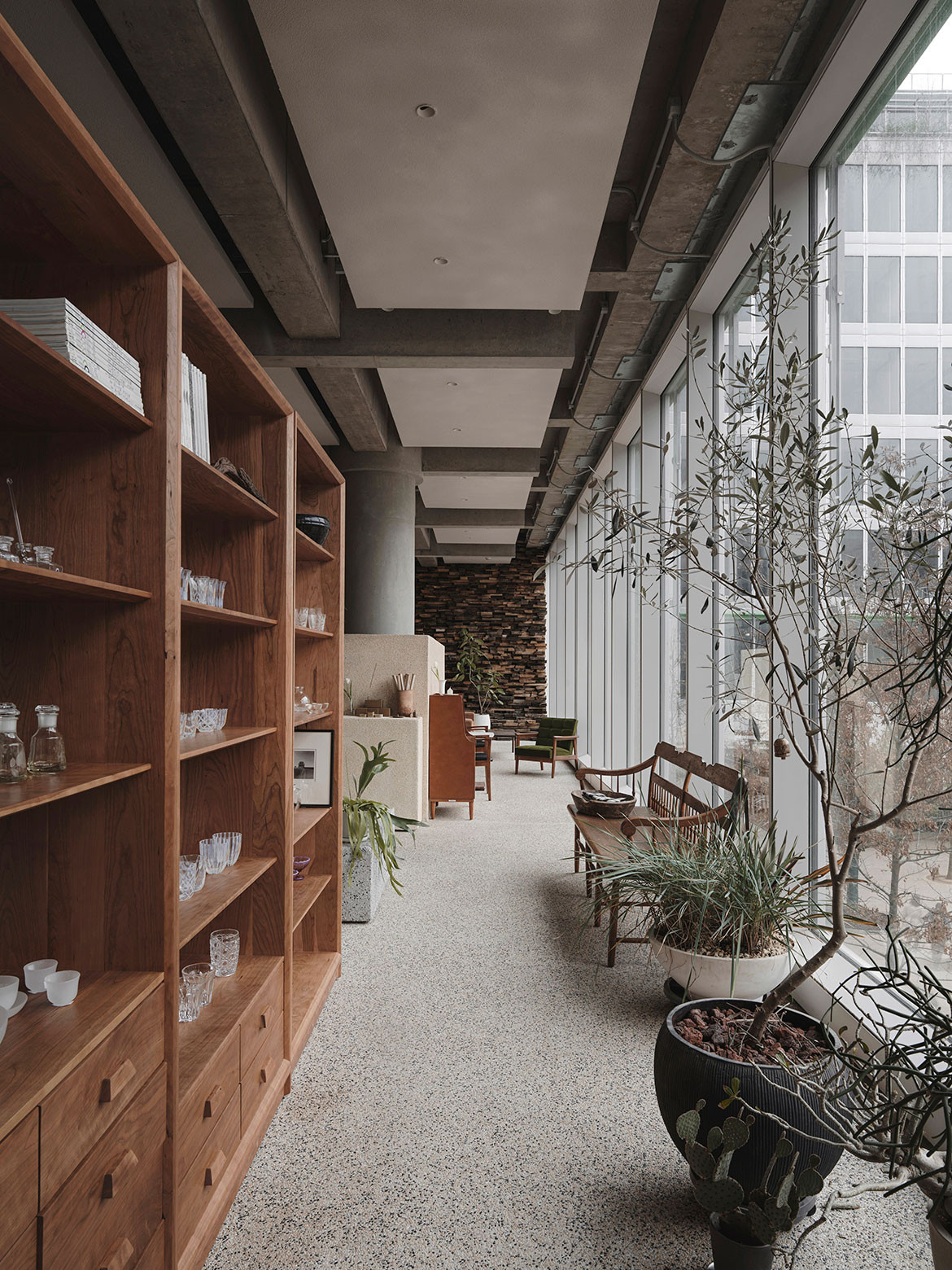
Another feature within the store is the wall of timber at one side of the display space. Made from aged poplar off-cuts, from furniture manufacture, planks have been stacked in a curated but ‘random’ manner and the whole is a magnificent homage to time and timber, as well as providing a scent of the forest. It is also an unusual display area for small objects.
In all, Lost & Found, OōEli, Hangzhou becomes a sensory experience that presents timber in particular with the respect that such an exquisite natural material deserves. It’s worth the visit for all the right reasons – the interior, the products and the experiential – and after all that’s what shopping is all about, isn’t it?




INDESIGN is on instagram
Follow @indesignlive
A searchable and comprehensive guide for specifying leading products and their suppliers
Keep up to date with the latest and greatest from our industry BFF's!
The internet never sleeps! Here's the stuff you might have missed