The home of architecture and design in the Asia-Pacific
Get the latest design news direct to your inbox!

Get the latest design news direct to your inbox!
We get insight into Wästberg, a Swedish brand built on the notion of light as a source of safety and comfort.

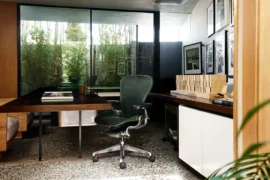
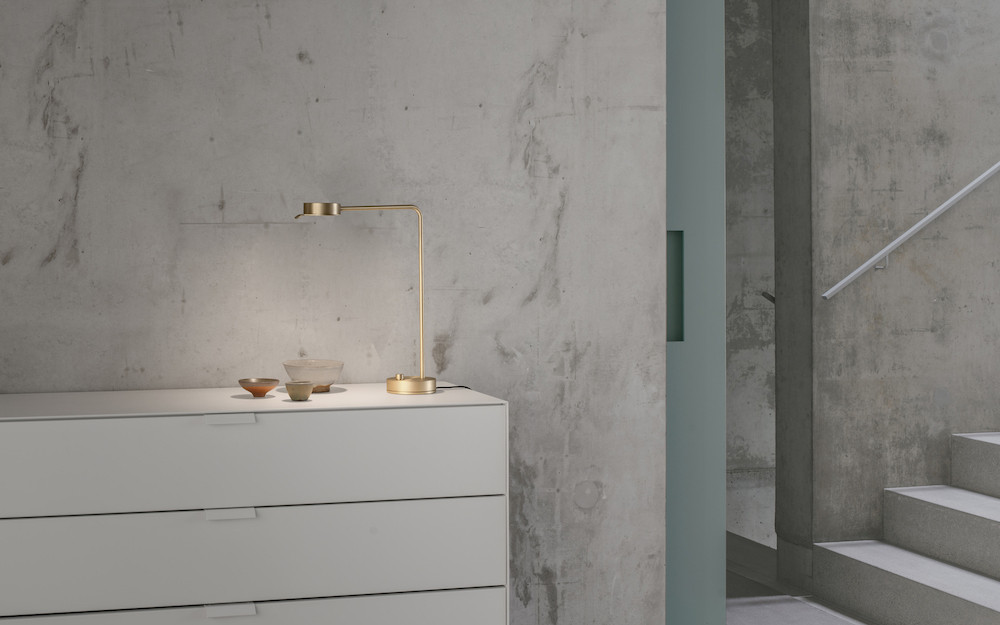
w151, designed by Claesson Koivisto Rune.
“People will continue to work themselves to death. People will continue to work themselves to death, even in the light of Wästberg’s lamps. But they will feel better while doing it.” Taken from the pages of the Wästberg manifesto Lamps for Neanderthal Man, we put some questions to the founder of the Swedish lighting company.
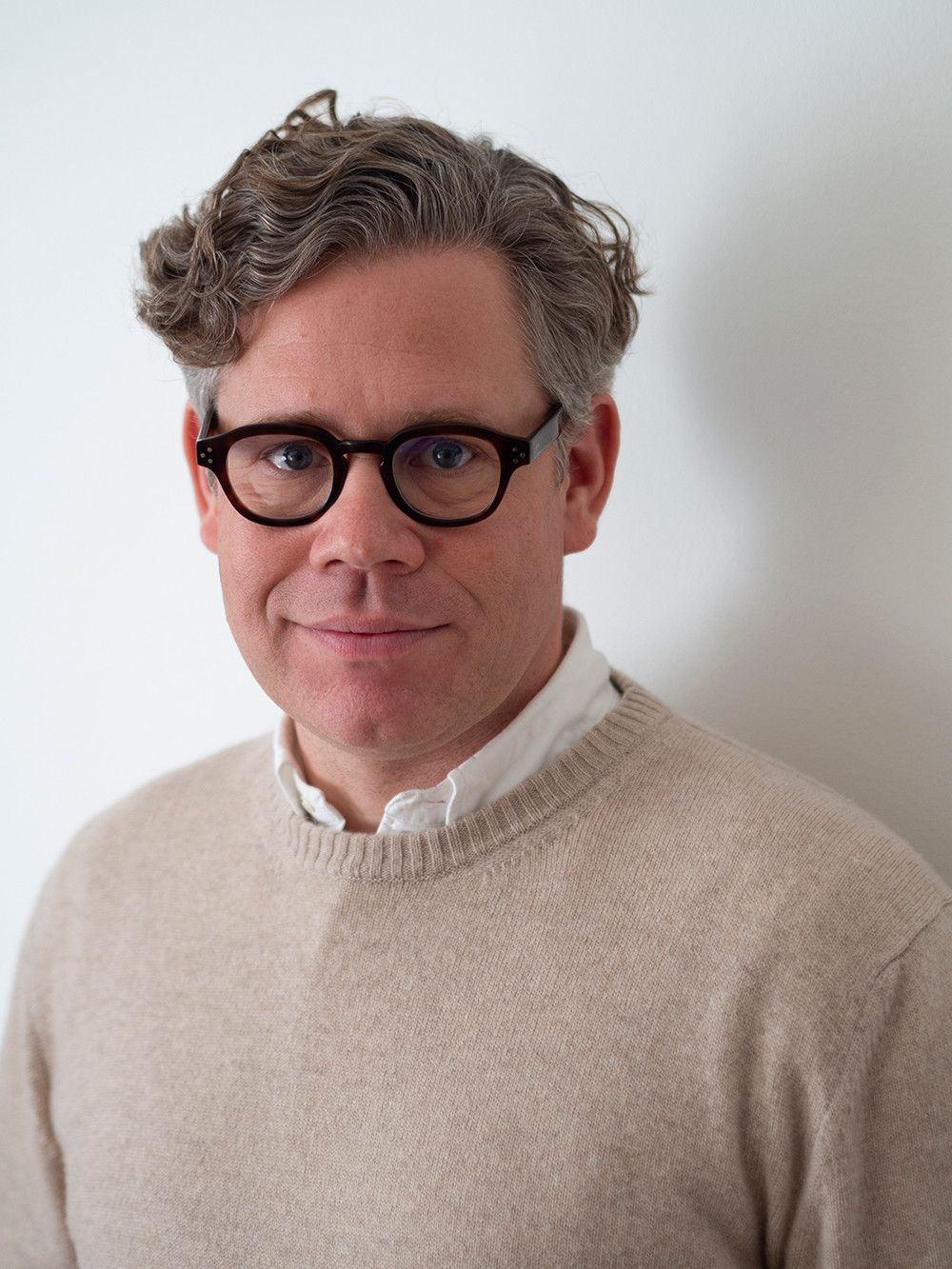
Magnus Wästberg: Light is the most important component in architecture and interior spaces. It totally changes the room, spatially and atmospherically.
All of the architects and designers that we collaborate with, and/or their work, I have known for a long time. They are all very skilled professionals but also thinkers. They all have, in different ways, a deep understanding of how we as human beings live our lives and understand our relationship to the spaces and objects that we inhabit and use.
Normally a project starts with an idea from within the company. Then I decide on a group of people to work with – including the designer – that are the very best suited to collaborate on the specific project.
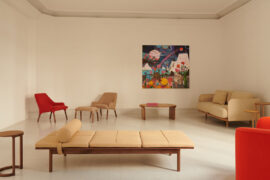
w102 by David Chipperfield, photo by Simon Menges.
First, and maybe most importantly, a cornerstone of my product philosophy is that the technical/functional qualities and aesthetical/emotional qualities are of equal importance. All too often, lamps possess either one or the other, very seldom both. And many times none.
We are very interested in technology, but never as a goal, always as a means. What is technically possible is not always humanly preferable. Then every product needs to have a clear and relevant purpose. That can be to solve a new kind of lighting problem or improve a solution that already exists but is not working as well as it could.
With a clear and relevant purpose as a starting point, I work hand in hand with the designer, engineers and lighting experts from day one to develop the best possible holistic solution that we can.

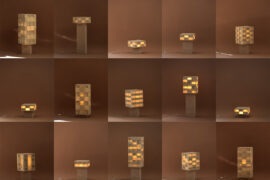
w182, designed by Sam Hecht and Kim Colin.
As all products are solving different problems we work with different materials. Both traditional materials and production methods such as forged brass or sand-cast iron and very modern and progressive materials such as bio polyamide.
The fact that we are very interested in the technical/mechanical properties, as well as the emotional properties of the products, means that we spend a lot of time and effort into the materiality of the products.
Being based in Sweden gives us a very special relationship to light. A very small proportion of the world’s population lives further north. We are also very rooted in the Swedish tradition and mindset of collaboration and solidarity, which I think highly influences both our philosophy and aesthetics.
Wästberg is available at Euroluce in Australia.
INDESIGN is on instagram
Follow @indesignlive
A searchable and comprehensive guide for specifying leading products and their suppliers
Keep up to date with the latest and greatest from our industry BFF's!
The internet never sleeps! Here's the stuff you might have missed