The home of architecture and design in the Asia-Pacific
Get the latest design news direct to your inbox!

Get the latest design news direct to your inbox!
The ‘future-forward creative unit’, headed up by an Aussie expat, explores how the likes of technology, theatrics and the senses can inform new modes of engagement.
Wherever she goes, a new department seems to follow. In 2016, Australia-born Anita Fontaine – together with longtime creative partner Geoffrey Lillemon – pitched the idea of a ‘future lab’ to Wieden+Kennedy in Amsterdam, which ultimately became The Department of New Realities. Earlier, the duo started an interactive research lab inside Boston agency Modernista!, and, as Fontaine calls it, ‘made art for brands’ – smart retail displays, fashion films, geo-located apps – under the name Champagne Valentine. The red thread? Creating uncharted hyper-sensorial experiences.

Anita Fontaine
There’s a certain level of burnout with traditional media – for makers and consumers. Experiences are becoming more valuable than physical purchases. But how can we make physical environments intelligent and unexpected? Technology should enhance reality, not distract from it.
I think we’re moving towards living, breathing architecture. We’re already embedding intelligence in retail spaces, but in annoying ways. It has to be more thoughtful. People are just beginning to think about giving spaces sentience. There’s a lot of R&D still to be done, but it’s exciting to consider all the different senses you can tap into.

Diesel installation
It has to be emotional and seamless. People are currently gravitating toward wellness. How can we build environments that benefit us? I have a lot of crazy ideas: pods and other structures that would shift people’s consciousness.
I don’t see a distinction between virtual reality and reality; it’s more about how they work together. A good example is Paradise Portal for Corona. Mexico City residents had more challenges connecting to nature, so we brought nature to them. We took visitors on a journey from a bustling urban environment to a virtual beach. Inside the VR experience were haptic elements – rocks, plants and so on – that you could touch in real life. There was scent in the air. At the end you sat on a beach, having a beer by sunset. We weren’t trying to replace nature, but to remind people of nature. The project was backed up by research that virtual nature can trick the brain into thinking you are really there, which is better than no nature at all.

Paradise Portal for Corona
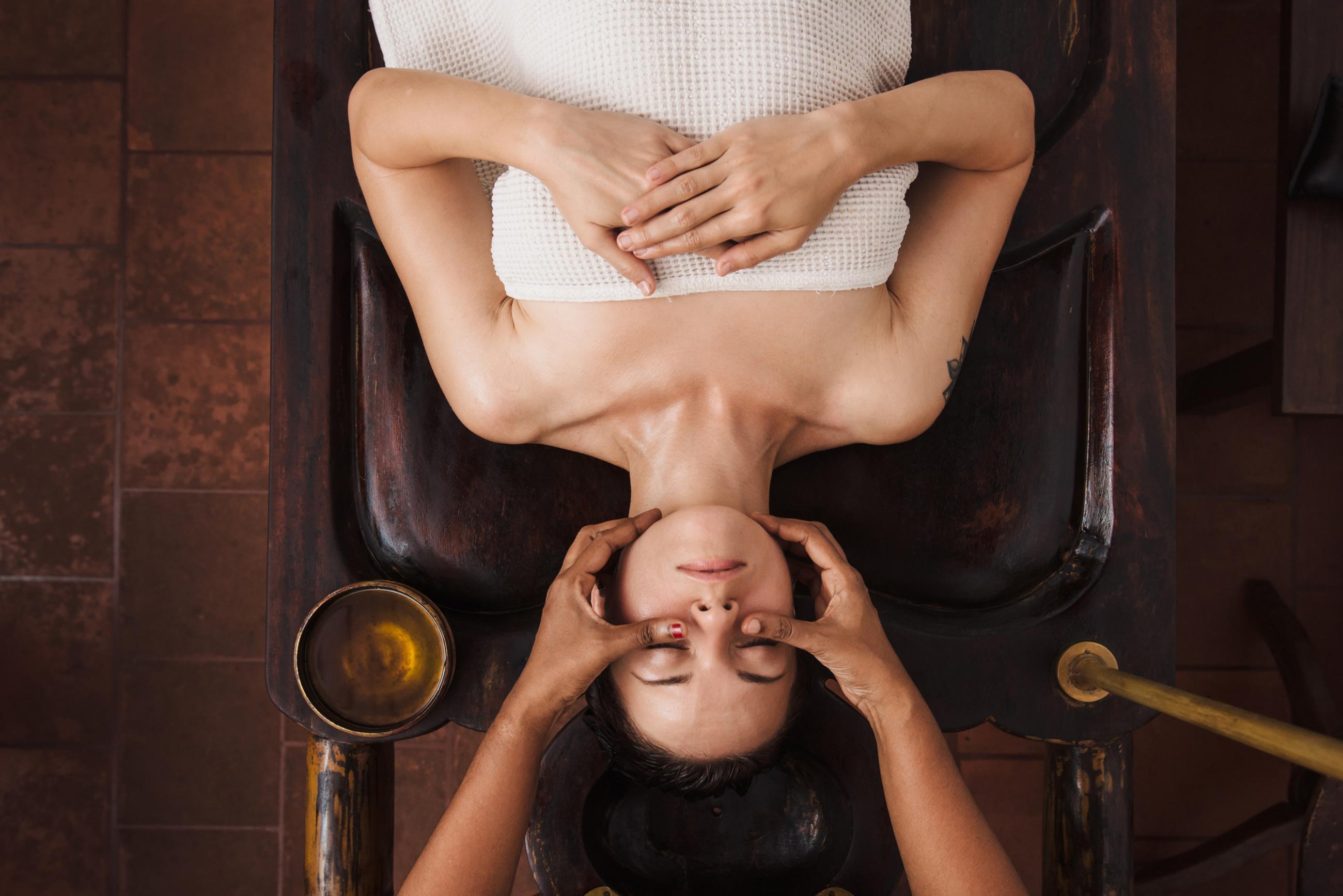
We’re currently exploring a beauty spa for avatars. We’re already treating ourselves, and we already have avatars, so how long will it take before we send them to the spa?
If we don’t define the future – or at least help to think about it – then somebody else will. We may still be working in the realm of speculative fiction, but we have to start somewhere.
Take a look through our archive of stories on Virtual Reality. And to keep yourself inspired, join our mailing list.
INDESIGN is on instagram
Follow @indesignlive
A searchable and comprehensive guide for specifying leading products and their suppliers
Keep up to date with the latest and greatest from our industry BFF's!
The internet never sleeps! Here's the stuff you might have missed