The home of architecture and design in the Asia-Pacific
Get the latest design news direct to your inbox!

Get the latest design news direct to your inbox!
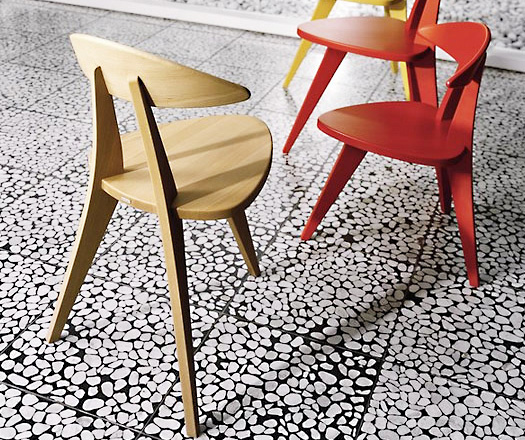
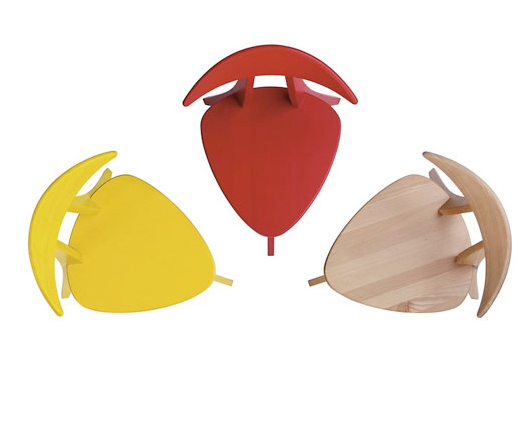
Wilkhahn celebrate one of Germany’s most visionary designers with the relaunch of a three-legged chair.
February 4th, 2009
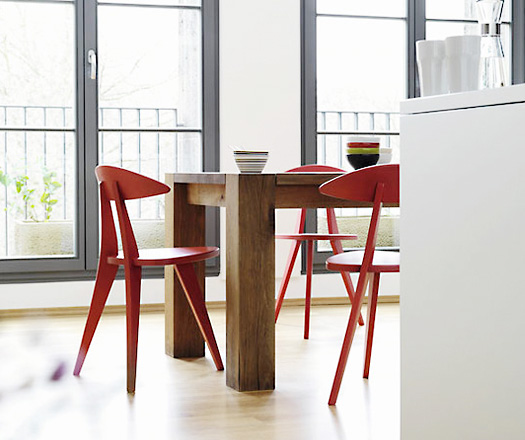
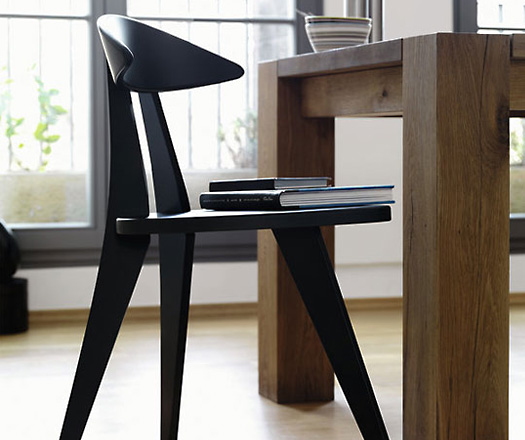
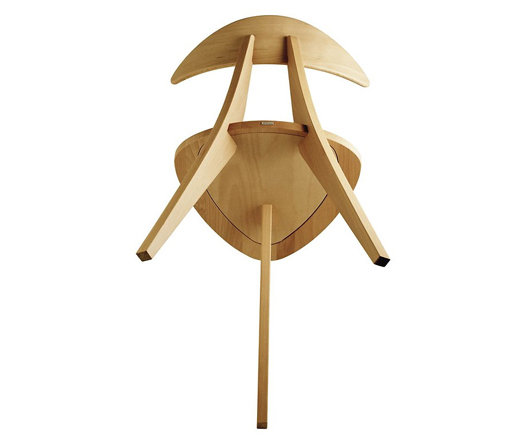
We’ve all seen the occasional tri-legged dog scampering down the street and who can pass up Mr Bean comedic three-wheeled car? Little did we know that this three-legged phenomenon was actually a symbol of “modern purposeful form”, or it will be when Wilkhahn brings out the new edition of German designer Walter Papst’s ‘three-legged chair’.
Renowned as the “pioneer of modern purposeful form”, Papst spent much of his life and career in Cologne. A respected author, visionary designer and futurologist, Papst created the original ‘three-legged chair’ in 1955. Now, one year after his death, the chair is making a comeback with refreshed materials, forms and proportions – all in line with the original design.
Joints between the legs, seat platform and backrest increase the stability of its wooden structure, allowing for natural swelling and shrinking. A hardwearing DD lacquer has been applied for surface protection, complementing the bright colour range with its wax-like finish.
Following in the footsteps of its infamous three-legged counterparts, this chair is sure to make a memorable mark. It’s set to be officially relaunched in February at Wilkhahn in Bad Münder. They are available to buy in Australia now through Wilkhan Asia Pacific.
Wilkhahn
+ 61 (0)2 9310 3355
info@wilkhahn.com.au
wilkhahn.com.au
INDESIGN is on instagram
Follow @indesignlive
A searchable and comprehensive guide for specifying leading products and their suppliers
Keep up to date with the latest and greatest from our industry BFF's!
The internet never sleeps! Here's the stuff you might have missed