The home of architecture and design in the Asia-Pacific
Get the latest design news direct to your inbox!

Get the latest design news direct to your inbox!
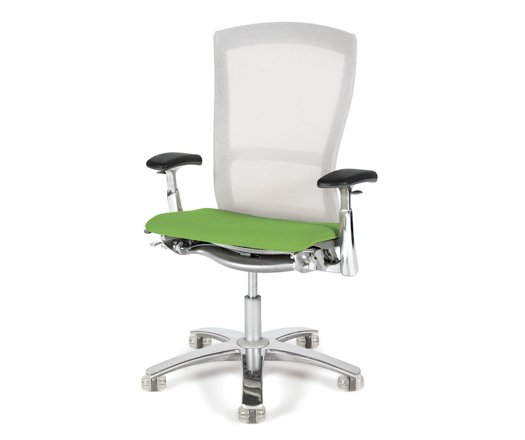
The LIFE Chair from Formway secures extensive Eco-certification.
May 15th, 2009
The LIFE chair has confirmed its position in the environmental furniture market. The ECNZ, GECA and SMaRT eco-certifications have recently been attributed to this innovative product, which won many Design awards when launched in 2002.
These third-party audited eco-labels provide independent assurance that environmental leadership specifications are met, and their validation of the LIFE chair pushes its manufacturers, Formway and Knoll, to the forefront of sustainable design.
Formway is now the first furniture manufacturer to achieve both the The Environmental Choice New Zealand (ECNZ) and the Good Environmental Choice Australia (GECA), while in North America Formway’s license partner Knoll has become the first furniture manufacturer to achieve the SMaRT Sustainable Product Certification.
The assessment criteria for these certifications include renewable energy use, materials and substances, and environmental systems and procedures during product manufacture, packaging and end-of-life product stewardship.
Such standards reflect Formway’s goal to “lead the market with best product environmental performance”, says Design Director, Mark Pennington.
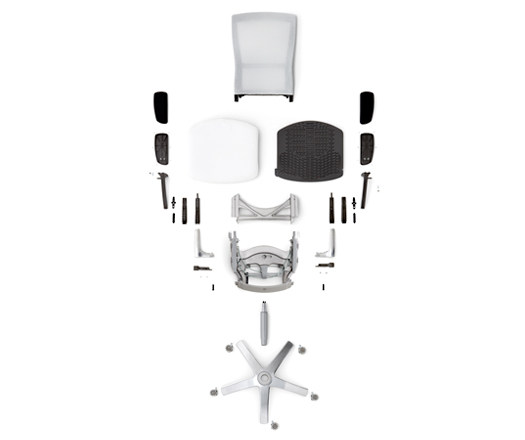
LIFE contains up to 64% recycled content and is 90% recyclable and, like other eco-labelled furniture, it reduces the environmental impact of the built interior space.
A Life Cycle Assessment (LCA) study of the chair has recently been conducted by Formway to reveal the environmental impacts of the product over its whole life cycle, thereby identifying areas for improvement and steering the company’s environmental strategy.
Visit the website to view their range office seating and furniture.
INDESIGN is on instagram
Follow @indesignlive
A searchable and comprehensive guide for specifying leading products and their suppliers
Keep up to date with the latest and greatest from our industry BFF's!
The internet never sleeps! Here's the stuff you might have missed