The home of architecture and design in the Asia-Pacific
Get the latest design news direct to your inbox!

Get the latest design news direct to your inbox!
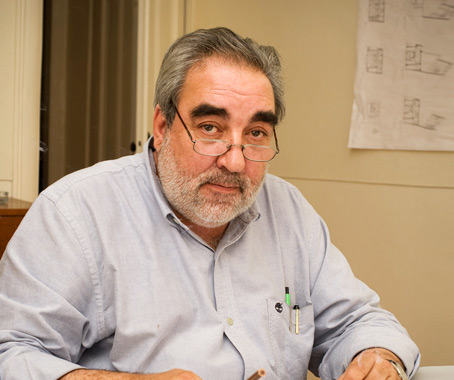
Portuguese architect Eduardo Souto de Moura has been announced as winner of the 2011 Pritzker Architecture Prize.
March 31st, 2011
The Pritzker Prize was founded in 1979 and each year recognises a living architect whose built work combines talent, vision and commitment, and offers a significant contribution to humanity and the built environment through the art of architecture.
This year’s honour has gone to Portuguese architect Eduardo Souto de Moura.
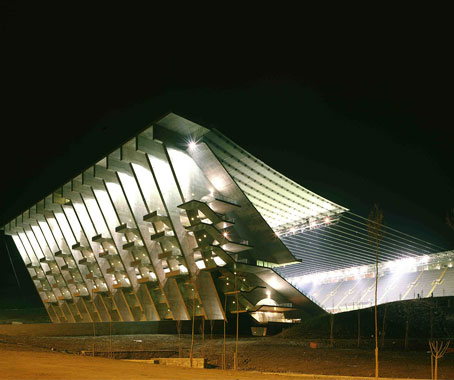
“During the past 3 decades, Eduardo Souto de Moura has produced a body of work that is of our time but also carries echoes of architectural traditions,” said the jury citation outlining the reason for Souto de Moura’s win.
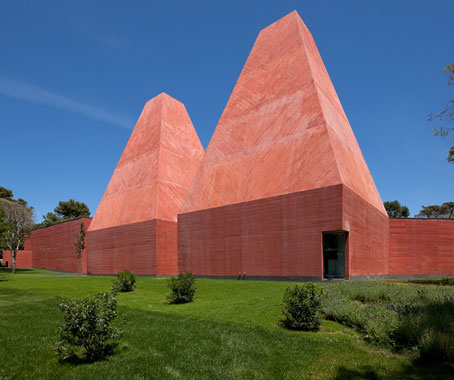
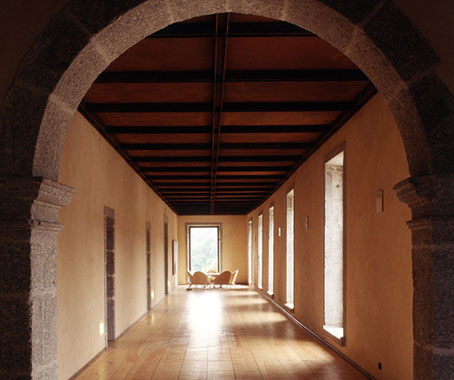
“His buildings have a unique ability to convey seemingly conflicting characteristics – power and modesty, bravado and subtlety, bold public authority and a sense of intimacy – at the same time.”
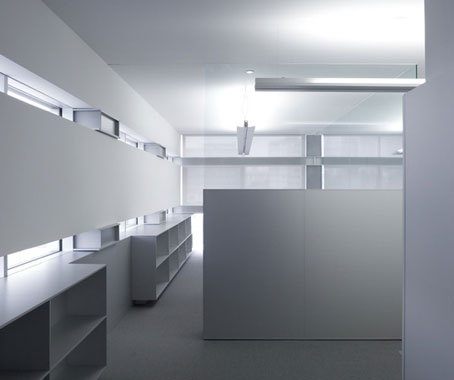
Since forming his own office in 1980, Souto de Moura has completed more than 60 projects, mostly in his native Portugal but also in Spain, Italy, Germany, Switzerland and the UK.
Souto de Moura started out building single family homes. His projects now also include a cinema, shopping centres, hotels, apartments, offices, art galleries, museums, schools, sports facilities and subways.
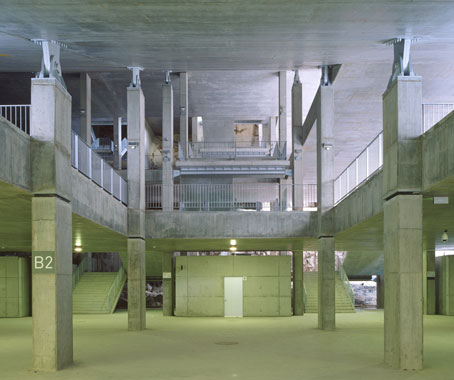
His versatility of form and style was acknowledged by the jury – “He has the confidence to use stone that is 1000 years old or to take inspiration from a modern detail by Mies van der Rohe”.
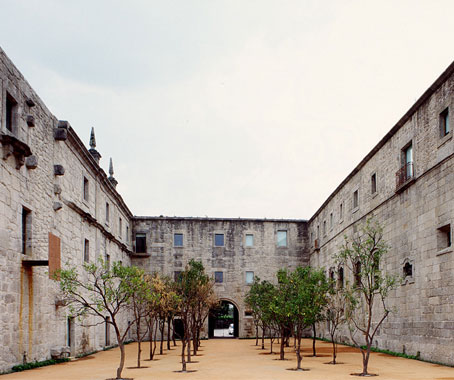
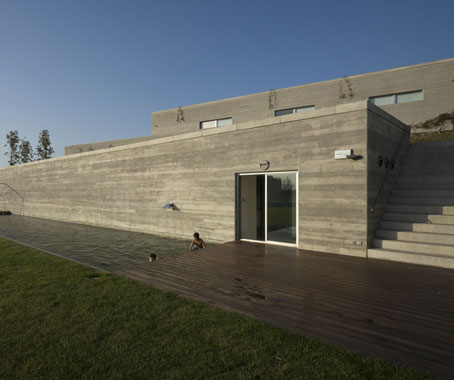
“For architecture that appears effortless, serene and simple, and for the care and poetry that permeates each project, Eduardo Souta de Moura receives the 2011 Pritzker Architecture Prize.”
Souto de Moura will be officially presented his prize of a $100,000 grant and a bronze medallion at a ceremony on 2 June.
INDESIGN is on instagram
Follow @indesignlive
A searchable and comprehensive guide for specifying leading products and their suppliers
Keep up to date with the latest and greatest from our industry BFF's!
Check out the stunning Foscarini installation at Fuorisalone 2011, in the Superstudio Più spaces. Foscarini is available in Australia through Space Furniture.
The internet never sleeps! Here's the stuff you might have missed