The home of architecture and design in the Asia-Pacific
Get the latest design news direct to your inbox!

Get the latest design news direct to your inbox!
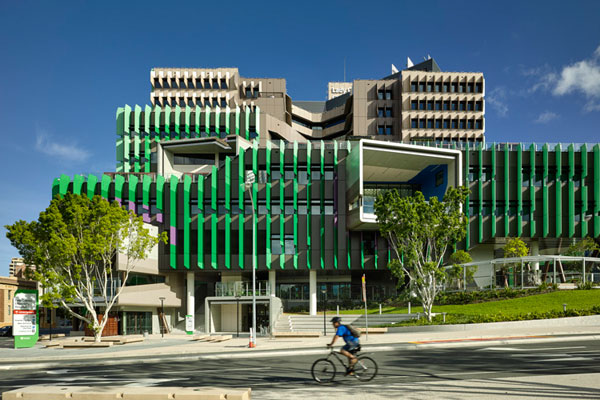
Australia’s largest and most advanced children’s hospital, Lady Cilento brings staff and services from two hospitals together into a new purpose-designed 359 bed tertiary/quaternary hospital. We talk to Managing Director at Conrad Gargett Bruce Wolfe about the design challenges and rewards, and what this project inspires for the future.
February 24th, 2015

What was the brief for this project? What were some specific requirements you had to take into consideration?
Fortunately we were able to be involved very early in this project. The brief evolved though our discussions with the client, users, youth advisory council and many other stakeholders. In fact the first masterplanning workshop we ran had over 100 participants. It is interesting post project completion to reflect on those outcomes as a crystallization of the brief.
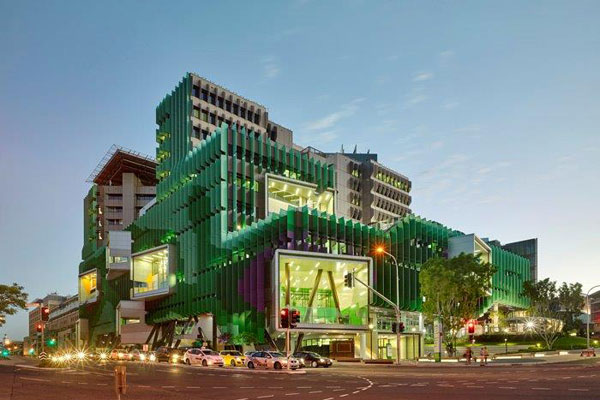
In the initial discussions common phrases such as “not a hospital”, “BIG PLACE – small feel”, “patient focussed, family friendly” indicated the stakeholders’ ambitions for the project. These requirements sat well with the ideas Conrad Gargett Lyons had when pitching for this prestige project. We envisaged a very permeable building, connected to the environment and connected to community.
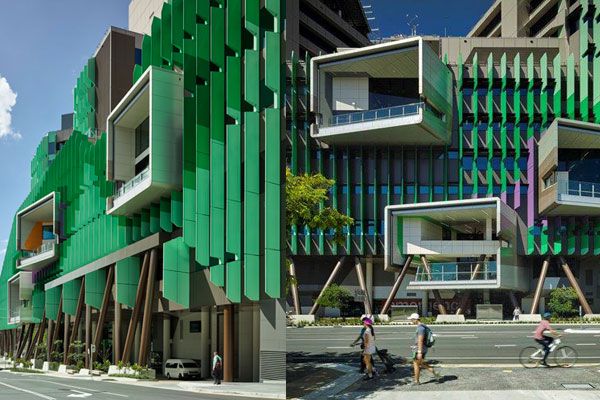
Please tell us about your design for the new Lady Cilento Children’s Hospital. What are the main features that contribute to the building as a healing environment?
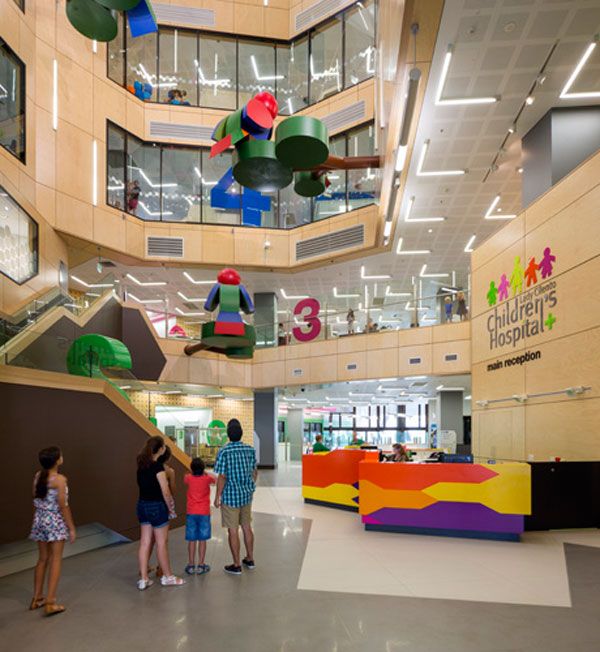
The building opens to the outside with its large portals. Bringing in controlled natural light and air are important in creating a sense of healing.
The unique circulation system opens to the outside and links atria with horizontal branches that provide vistas to the outside and intuitive way-finding.
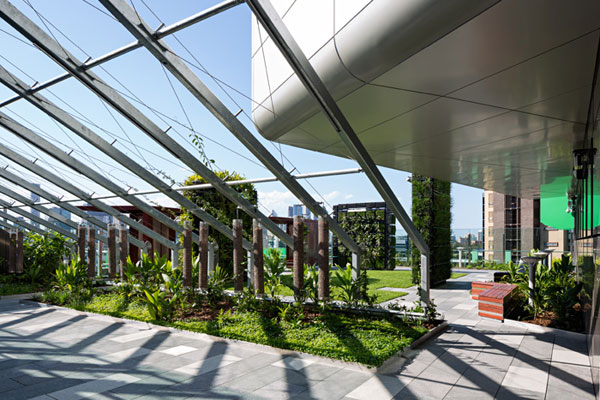
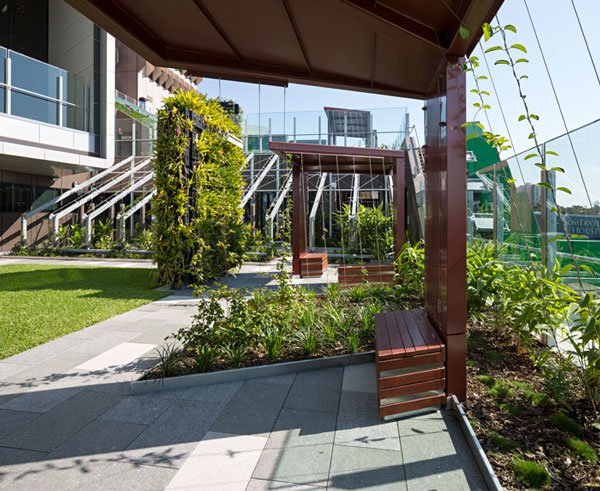
Access to the landscaped spaces at so many levels of the building is also critical. As the building steps back, roof terraces are transformed into gardens for the use of patients and their families.
These strategies help in the removal of stress and contribute to the healing environment. These successful strategies were noted when the Lady Cilento Children’s Hospital won the International Academy of Design and Health Award for Best Future Hospital in 2013.
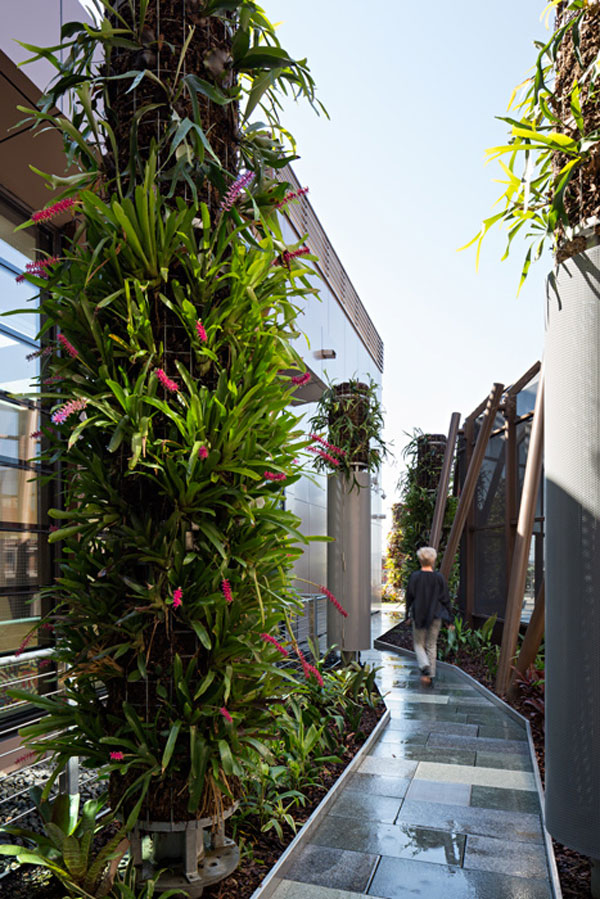
What makes it unique? Are there any special features you’ve incorporated that a building like this hasn’t seen before?
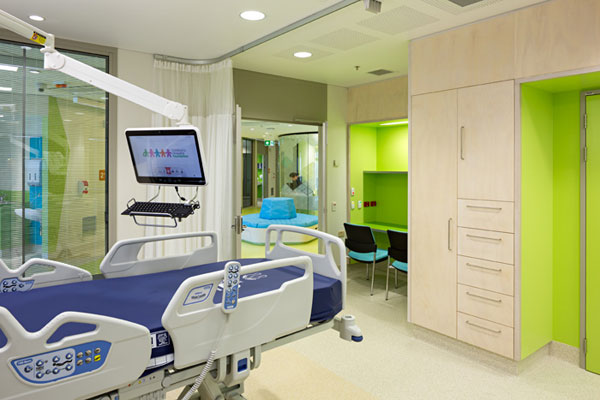
Whilst the hospital has the sort of technological advancements expected of a state of the art facility, the design fosters a number of service delivery initiatives.
– Neighbourhoods, for ambulatory and allied health flows breaking down the traditional departmental silo approach with multi disciplinary, team based environments
– Patient streaming. Examples include ED presentations into long and short flows and the development of a 36 hour ward streaming post operative recovery
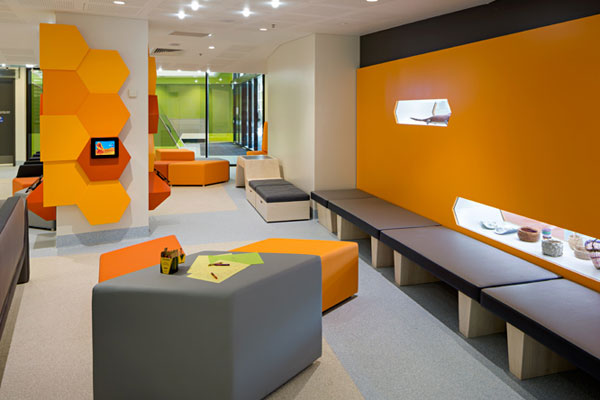
– family resources including a Long Day Lounge, offering respite for those having multiple consultations and spending extended time at the hospital
– collaboration hubs engendering collegiality amongst staff and better coordinated care for patients.
– and one small initiative that seems to get all the press- a pet visiting area.
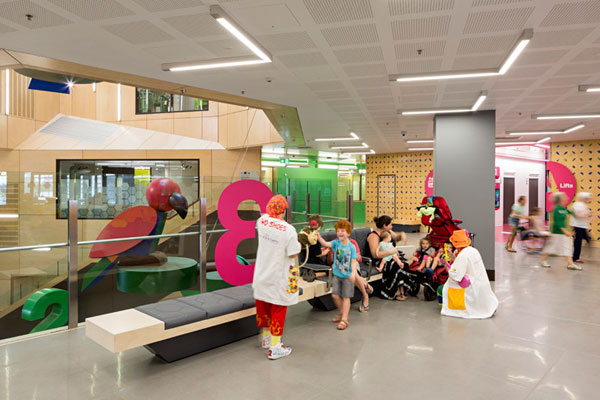
In a way though, it is the ambience of the building, its connection to the outside and non-institutional feel that make it most special
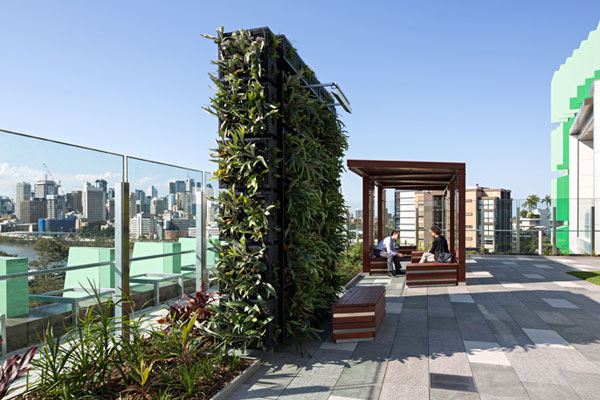
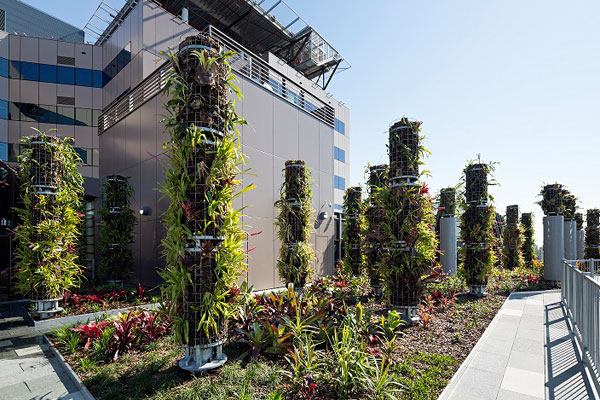
What are the challenges working on a project like this? And how did you overcome them?
Where to start? A highly constrained brown-field site, contested land uses, two hospitals coming together from the private and public sectors, a highly political project from a government perspective and always maintaining the project on budget challenged the project from the outset,
Establishing and then maintaining a shared vision amongst the many, many stakeholders for the long duration of the project I believe is the way we delivered the project we have.
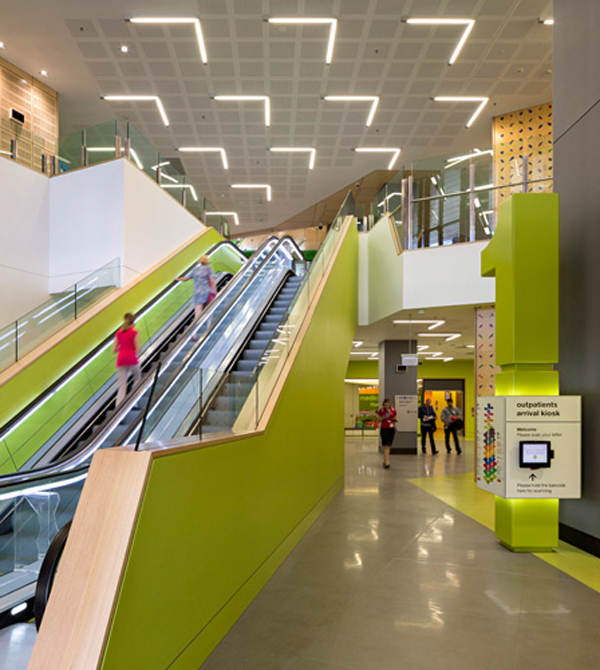
What are the rewards? What do you enjoy most about working on a project of this kind?
The rewards are in walking through the hospital now and seeing firstly that the design and planning strategies are working but also the reaction of both patients and their families to the spaces and the environment. There was also the comrade amongst the team and the sense of achievement at the end of the project as well as the small victories along the way.
What other projects do you have lined up for the future?
This project has influenced the way in which we are able to approach other health projects; the research is easily transferred to other hospitals both large and small. We are currently bidding on a 1000 bed hospital in China which follows on from our reference design for the similarly sized new Sunshine Coast University Hospital.
Fortunately there are many other smaller hospital planning projects in the office, given that a $1.4B State Children’s Hospital may only come once in a career.
What advice do you have for aspiring architects or designers?
Don’t shy away from becoming an expert in a field and doing the necessary study and research that this requires. But having that expertise should be balanced with a broad knowledge of the whole design and construction process so that you know that your ideas are effective and deliverable. Design for people and design for longevity.
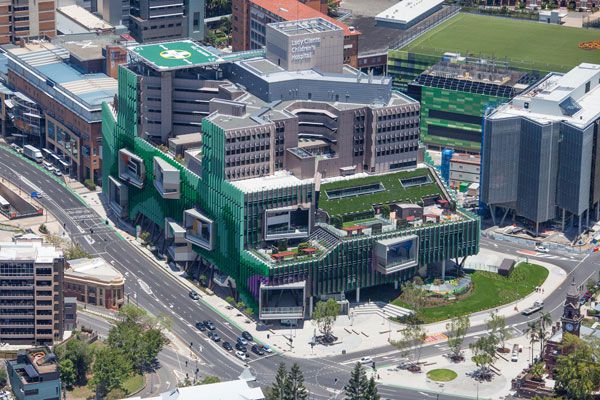
Above image by Ethan Rohloff
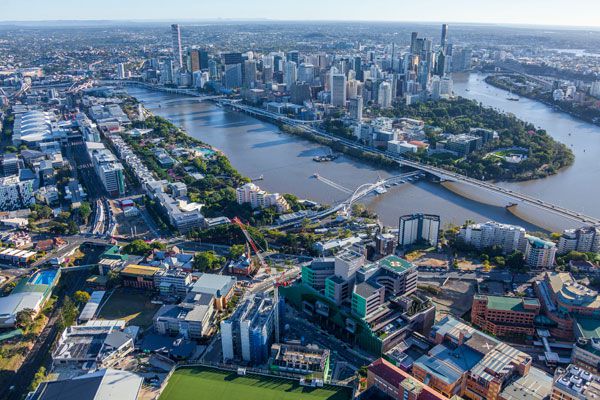
Above image by Jumbo Aerial Photography
Photography by Christopher Frederick Jones unless otherwise mentioned
Designers: Conrad Gargett Lyons
Contractors: Lend Lease
Start: 2007
Completion: 2014
Cost: $1.5B (complete precinct)
Location: South Brisbane, Queensland, Australia
Awards: Winner Future Health Project, 2013 Design & Health International Academy Awards
Conrad Garett
conradgargett.com.au
Lyons
lyonsarch.com.au
INDESIGN is on instagram
Follow @indesignlive
A searchable and comprehensive guide for specifying leading products and their suppliers
Keep up to date with the latest and greatest from our industry BFF's!
The University of New South Wales are holding their annual Bachelor of Interior Architecture Graduation Exhibition from 5-6 December. The exhibition, [x]form, will be held at SCEGGS, Darlinghurst, and feature the work of designers graduating from the BIA degree. Starts: 5 December 2008Venue: The Great Hall, SCEGGS DarlinghurstContact: xform@fbe.unsw.edu.auWeb: xform.net.au
The internet never sleeps! Here's the stuff you might have missed