The home of architecture and design in the Asia-Pacific
Get the latest design news direct to your inbox!

Get the latest design news direct to your inbox!
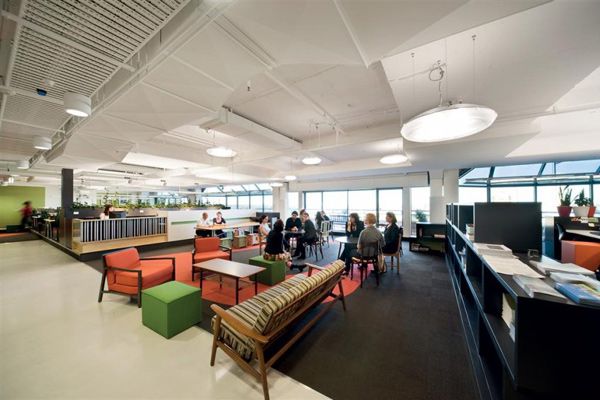
The Green Building Council of Australia has praised the Government’s new Commercial Building Disclosure program for mid-tier buildings.
February 19th, 2016
The program was originally developed to drive improvements in energy efficiency within the commercial office sector, and has found $44 million of benefits realised in its four year history.
“The review demonstrates why tackling energy efficiency in commercial office buildings is a smart solution to climate change – one that can be done at a minimal cost to industry and the tax payer,” says the Green Building Council of Australia’s Chief Executive Officer, Romilly Madew.
“The GBCA has always been a strong supporter of the CBD program, which has proven to be a critical driver in unlocking the emissions reduction potential of our buildings while raising awareness of building energy performance among building occupants, delivering cost savings and creating jobs.”
A new review of the program has identified two enhancements that could be made; a lowering of the threshold for mandatory disclosure of energy efficiency information on mid-tier buildings, and an extension of the length of time an office lighting assessment is valid from one to five years.
“Lowering the threshold for mandatory disclosure is particularly important, as it will open opportunities for greater energy efficiency in the mid-tier commercial buildings sector,” Ms Madew says, “There are an estimated 80,000 mid-tier commercial office buildings around Australia, but this sector has traditionally lagged behind in energy efficiency upgrades.”
With buildings being responsible for some quarter of Australia’s total greenhouse gas emissions, any improvements are a great idea for all.
Green Building Council of Australia
gbca.org.au
INDESIGN is on instagram
Follow @indesignlive
A searchable and comprehensive guide for specifying leading products and their suppliers
Keep up to date with the latest and greatest from our industry BFF's!
The internet never sleeps! Here's the stuff you might have missed