The home of architecture and design in the Asia-Pacific
Get the latest design news direct to your inbox!

Get the latest design news direct to your inbox!
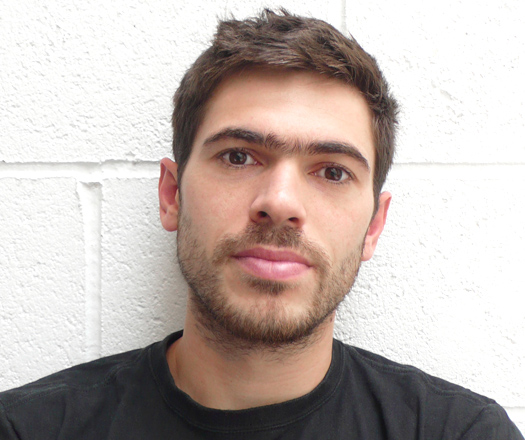
Hong Kong correspondent, Ben McCarthy, takes a closer look at designer Max Lamb.
October 31st, 2008
Hong Kong correspondent for indesignlive.com, Ben McCarthy, takes a closer look at Max Lamb (featured recently on indesignlive)
Last week Max Lamb presented a design demonstration at 100% design Tokyo, which had started before his solo show in New York ‘Delaware Bluestone’ has even finished.
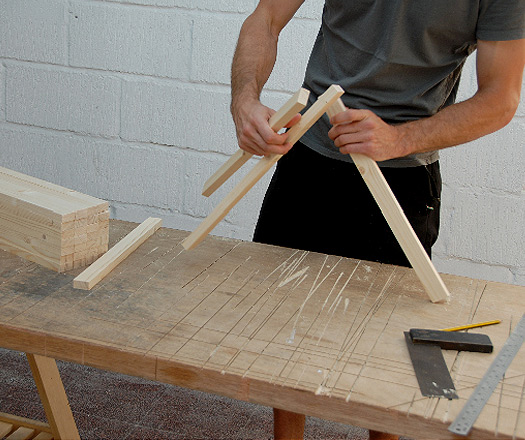
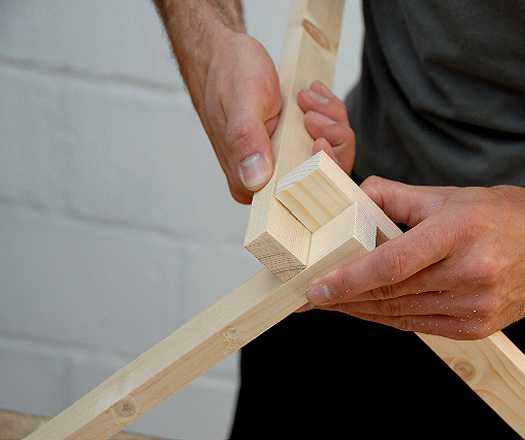
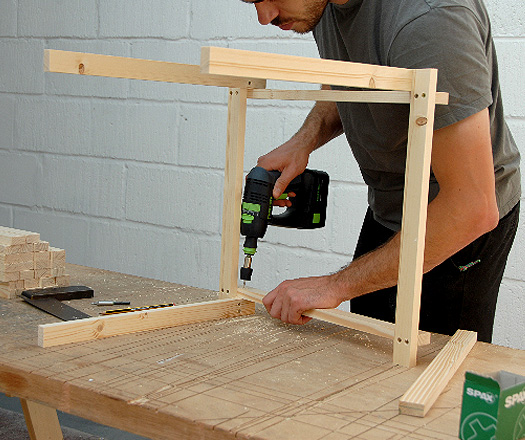
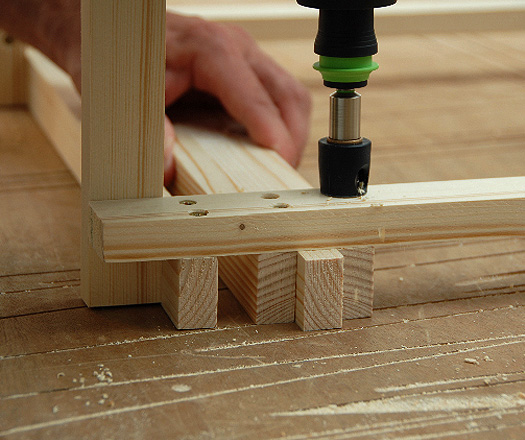
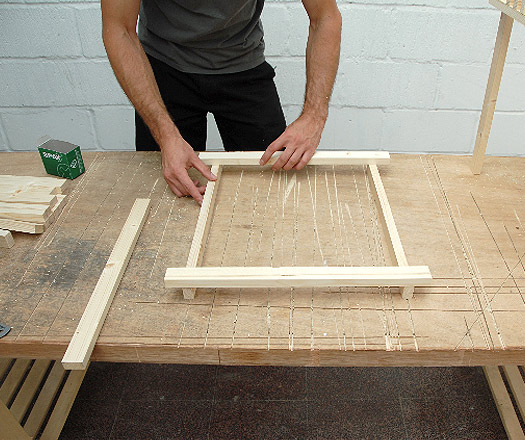
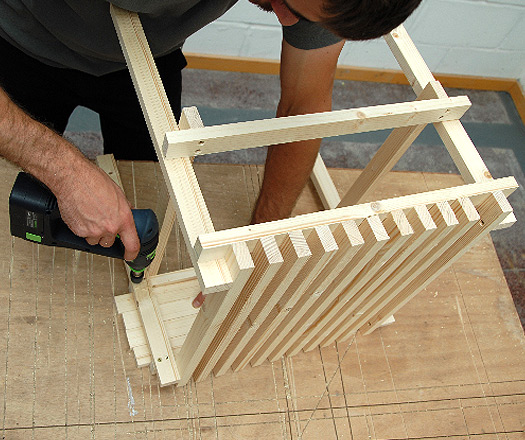
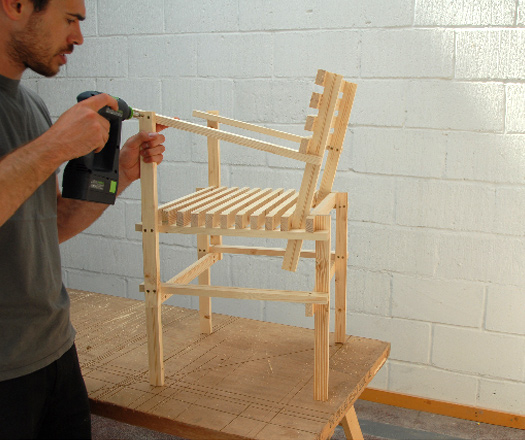
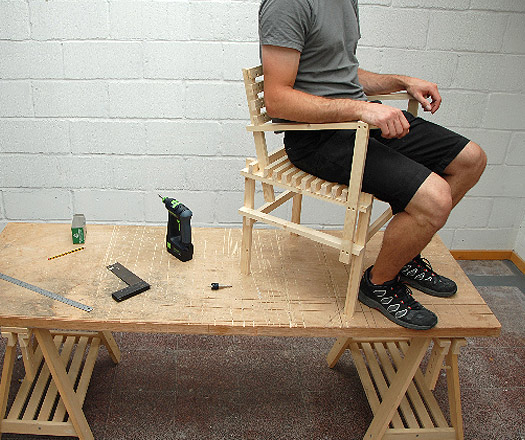
“I designed a simple chair that can be constructed using very cheap, standard size, building grade wood using just a hand-drill and screwdriver. A design for everyone and anyone,” explained.
The philosophy of the project was to demonstrate the production directly to the public and give away the ingredients to make your own chair “Supply and demand in synergy,” he describes, “controlled quite naturally by the consumer.”
Many of Max’s designs are created in one single material, as is the ‘DIY chair’. Such a design criteria depends heavily on the correct exploitation of the material properties. Yet, this tends to be Max’s defining ability.
His work is characterised by this manipulation of material, having developed a design process that allows him to explore the inherent properties of a material from its origin, to its end use. “I suppose I have developed a methodology and approach to design that allows me to always make the objects I design.”
Since graduating from the Royal College of art in 2006 his work has attracted commissions from galleries more so than industrial clients, and without consciously avoiding mass production, his work certainly seems more suited to bespoke production in limited numbers. In an era where we see more and more design galleries trading “design-art” (the cringe word for those in the business) Max’s output coincides well with the opportunity.
The market for Marc Newson prototypes has always existed; but developments in the collectors industry over recent years have moved it into the public eye and have provided more opportunities for Max to follow his “profession as a designer, and passion as a maker. “
What comes across most from Max is his sensitivity and sincerity. His work is an honest communication of new production exercises, within both unconventional and traditional materials.
It contains an intimacy that cannot be expressed in industrial production, and he obviously appreciates the relationships that result from this. “I actually get to meet the people I am making my work for or who buy my work and I hope that these exchanges are founded in trust.”

INDESIGN is on instagram
Follow @indesignlive
A searchable and comprehensive guide for specifying leading products and their suppliers
Keep up to date with the latest and greatest from our industry BFF's!
The internet never sleeps! Here's the stuff you might have missed