The home of architecture and design in the Asia-Pacific
Get the latest design news direct to your inbox!

Get the latest design news direct to your inbox!
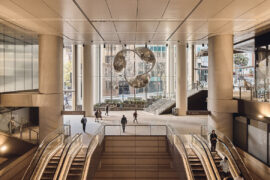
The Sydney Opera House has unveiled designs for an impressive renewal project by ARM architecture. While an upgrade might be long overdue, are we overlooking the bigger picture?

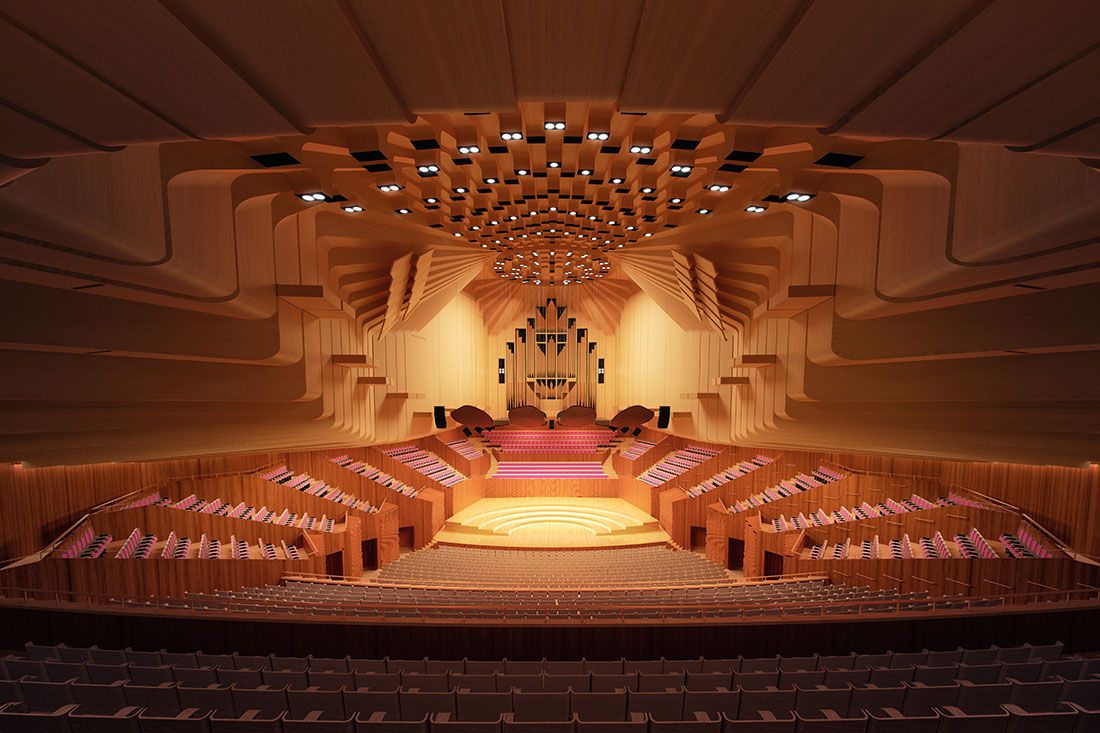
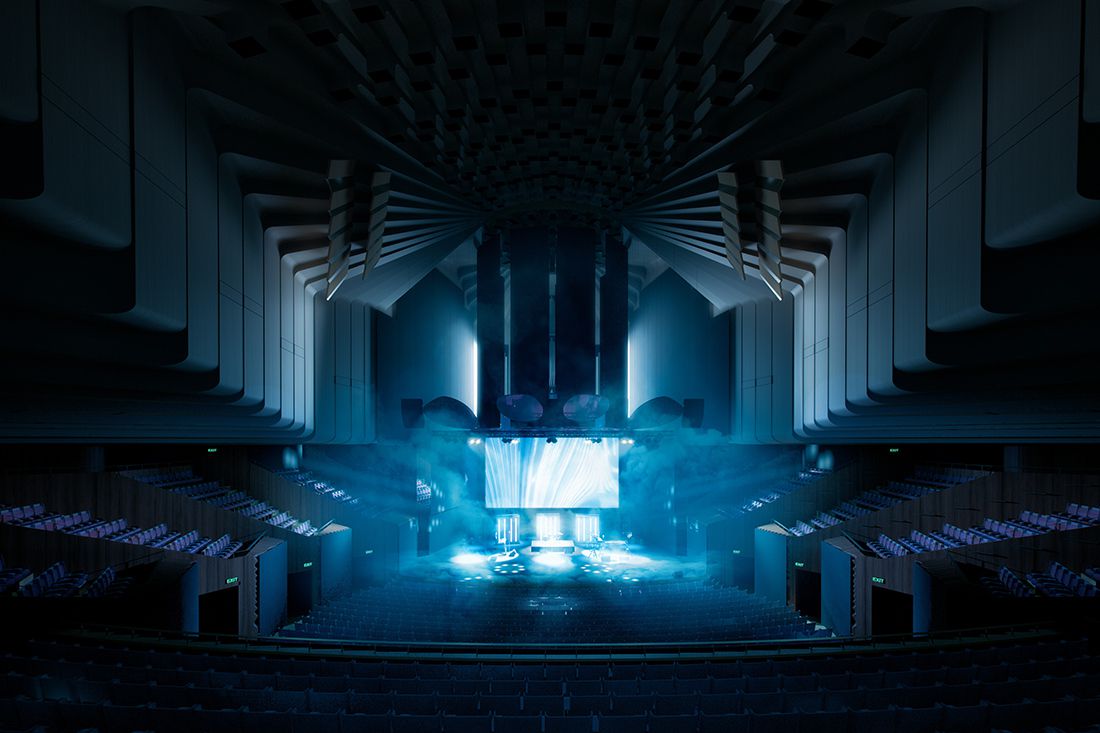
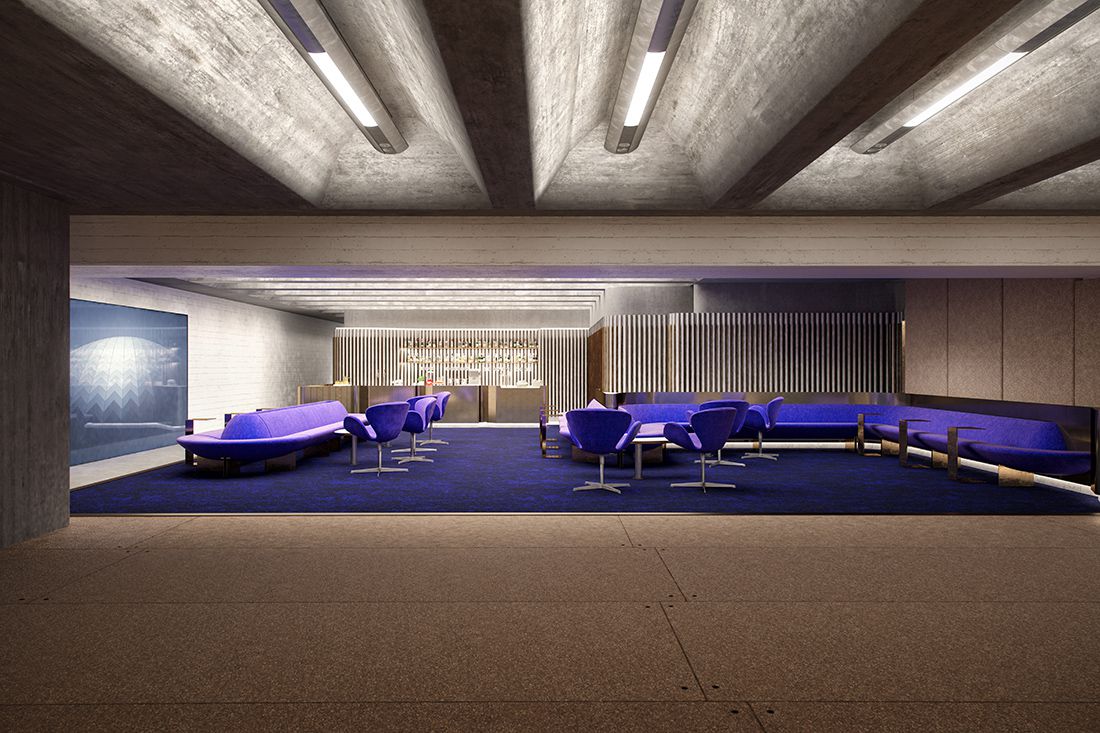
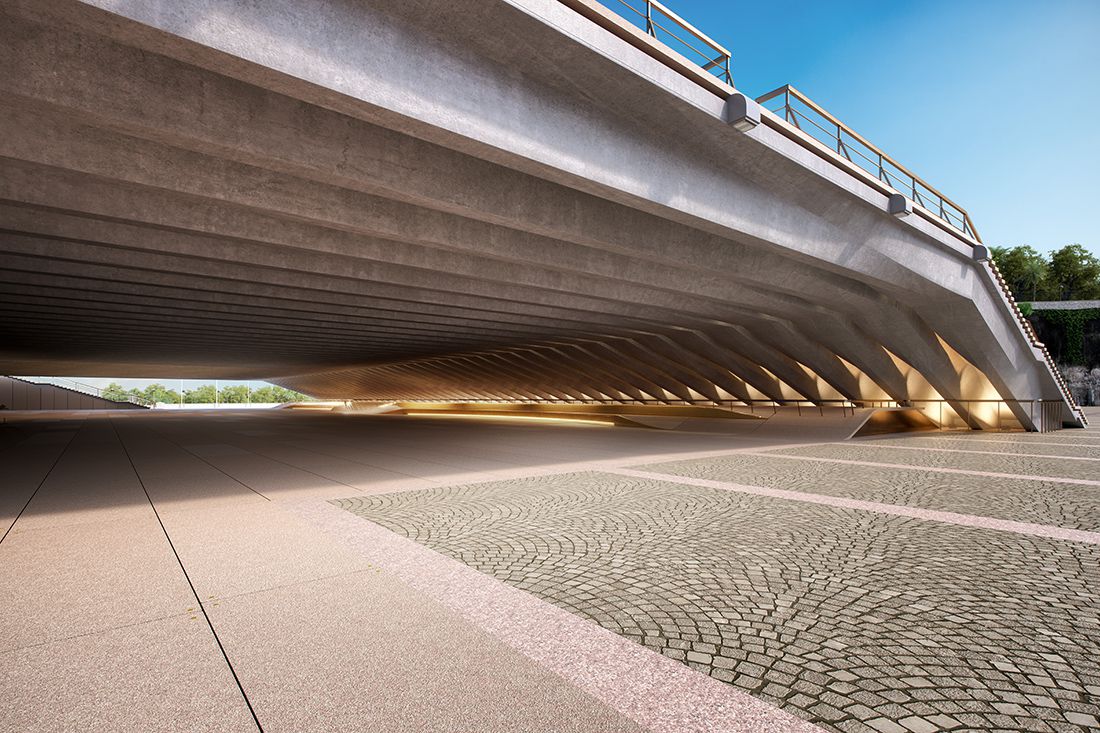
NSW Deputy Premier and Minister for the Arts Troy Grant unveiled the working designs for the Sydney Opera House’s Renewal Program last week. As the largest system of upgrades Jørn Utzon’s beloved masterpiece has received since opening in 1973, there’s no denying the proposed plans to improve access and ensure the Opera House meets the needs and expectations of performers, audiences and visitors for generations to come are impressive – inspired, even. However, while restoration and upkeep of an architectural icon and world heritage figure is essential – in a state of diminishing arts and cultural funding, who’s missing out here?
As part of the NSW Government’s commitment to the Rebuilding NSW initiative, the Opera House Renewal absorbs a fairly staggering $202 million from the $600 million Cultural Infrastructure Fund. Other king-sized cultural institutions such as the Art Gallery of NSW, the Walsh Bay district, the Australian Museum, the Powerhouse Museum, among others, fritter away residual funds, leaving a scanty reserve for distribution amongst the smaller myriad arts spaces. While attempting to accelerate on the economic asset value of the Opera House (which Deloitte calculates to sit around $4.6 billion), the proposal stands as another potential deadlock on our cultural economy.
On the impetus behind the Renewal scheme, Mr Grant said “[i]t is our responsibility as custodians of this extraordinary place to maintain and renew it for all Australians.” He may, however, be guilty of both verbosity and imprecision. All Australians? While Utzon imagined an inclusive, expansive and evolving artistic centre – he must have also imagined it would be supported by a city with a broad and rich cultural landscape. We must remember that despite the government’s promise to redress the imbalance in arts and cultural funding in NSW leading up to the state election, the lion’s share of the Cultural Infrastructure Fund is funnelled into the CBD’s jumbo institutions. Regional hubs and precincts are chronically flouted a courtesy which even scratches anything close to equivalence. The Opera House is irrefutably an important cultural and economic lodestar. It is not, however, the only one.
In their report released on the eve of the 2015 NSW election, Deloitte Access Economics stressed the inequity was beyond critical. In Western Sydney (30% of the NSW population) a significant per capita funding and redevelopment discrepancy is underscored by a “significant shortage of cultural venues and events compared to Eastern Sydney”. This year’s Federal Budget provided no reparation to address the discrepancy, or attempt to attract and support a creative class to build a resilient local cultural economy that could incorporate the wider state.
It’s undeniable that local museums, arts centres, galleries, music venues, grants and schools are dropping off the map with steady, consecutive, depressing orderliness. In recent years, Hogarth Gallery (one of Sydney’s very, very few Indigenous Art spaces) and Tap Gallery Theatre (one of our very, very few independent theatres) closed their doors.
The brains behind the Sydney Opera House Renewal plans deserve congratulations for truly innovative responses to upgrading acoustics, accessibility, efficiency and flexibility in what is the nation’s largest and busiest performing arts centre. But biggest, busiest, is not everything.
The Sydney Opera House Upgrades will be carried out by ARM architects, who will be working with German acoustic engineers Mueller-BBM.
INDESIGN is on instagram
Follow @indesignlive
A searchable and comprehensive guide for specifying leading products and their suppliers
Keep up to date with the latest and greatest from our industry BFF's!
The internet never sleeps! Here's the stuff you might have missed