The home of architecture and design in the Asia-Pacific
Get the latest design news direct to your inbox!

Get the latest design news direct to your inbox!
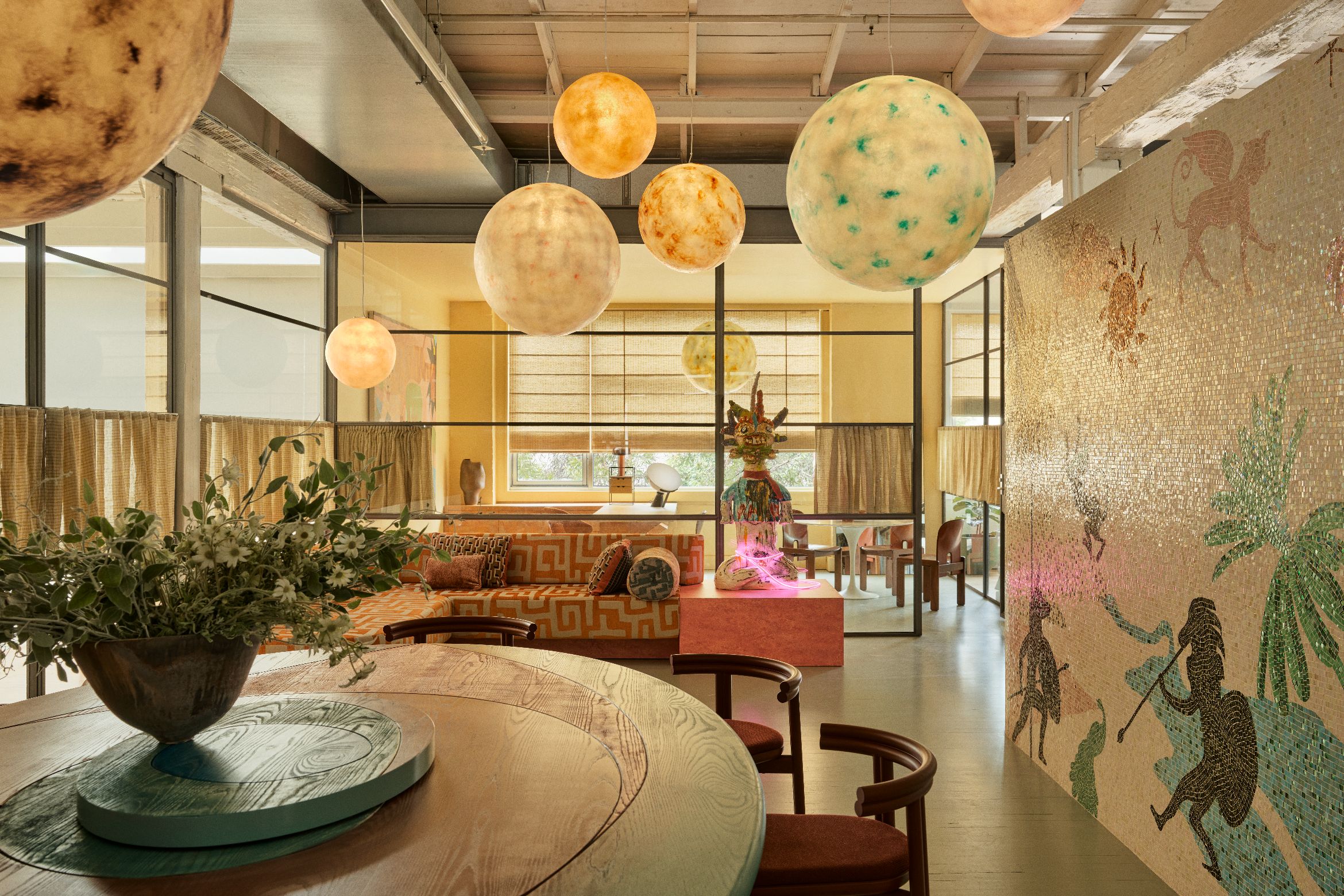
German investment giant Deka Immobilien has unveiled a new display suite that draws on Melbourne’s laneway culture in its design and aesthetics.


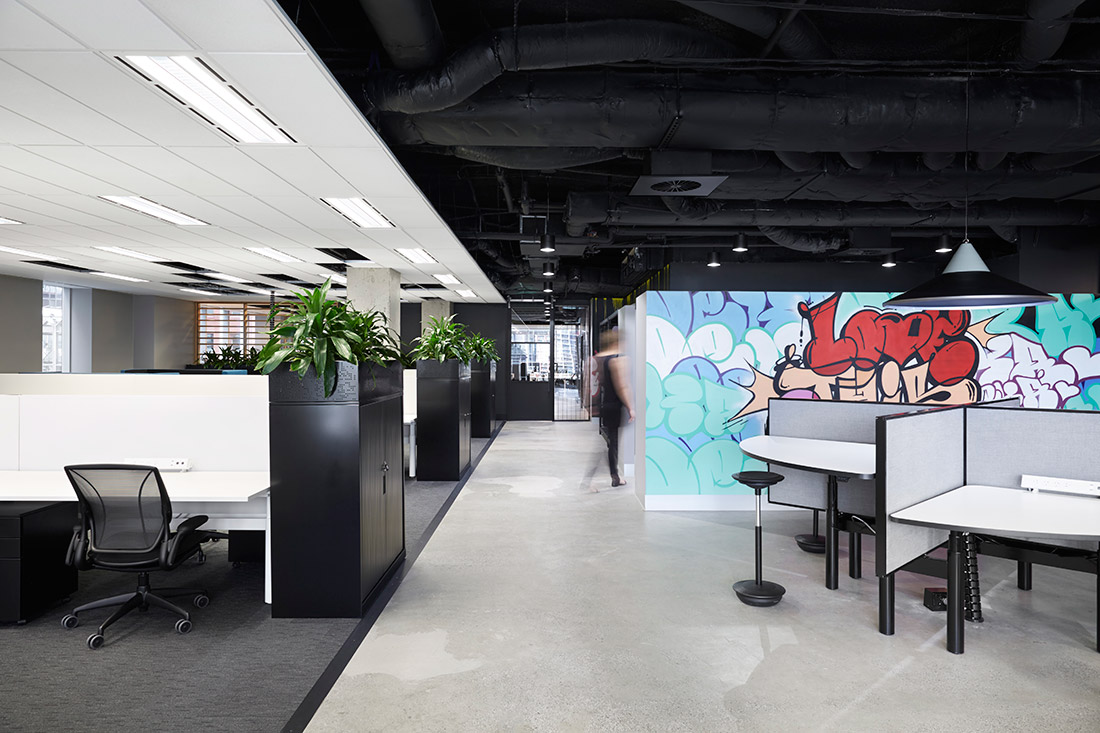


Handled by the hospitality design experts at Technē, the new Deka Immobilien space has been designed as an interactive tool to demonstrate the possibilities of a flexible workplace.
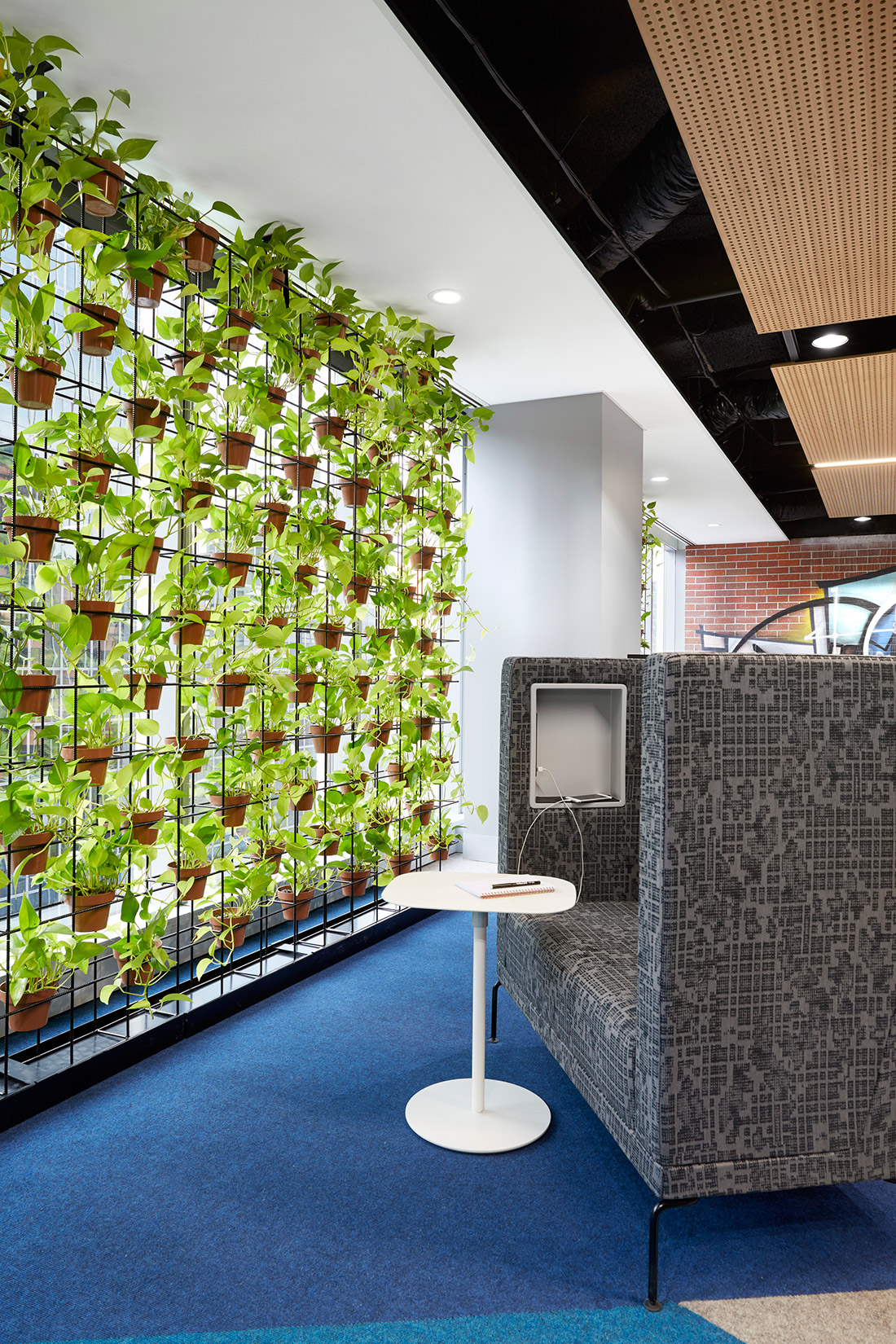
The Deka Immobilien site is on the seventh floor of the tower on the William and Collins Street junction in the heart of Melbourne, and team leader and senior associate at Technē Gabriella Gulacsi remarks that commercial and hospitality design may disparate, in Melbourne this just isn’t the case.
“Melbourne’s hospitality culture is very developed – dining has always been a vehicle for connection,” Gulacsi says “Now, workplaces are evolving to be more flexible and collaborative, and commercial design must evolve with it by allowing people to connect in that same way.”
The design had Technē specifically wanting to showcase the benefits of varied working models, reflecting the varied and exciting ways Melbourne laneways are used by the citizens of Melbourne city. The look and design of the space draws on the accents that feel intrinsically ‘Melbourne’ from the concrete laneways to the graffiti, cafes and raw environments.

A clean yet industrial aesthetic was created for the south side of the building, to best appeal to a corporate tenant, while the north side reflects the needs of a creative tenant, maintaining a bold laneway aesthetic.
“Despite the two zones, design consistency is apparent across the office space,” Gulacsi says, “We have used steel mesh in response to the industrial aesthetic, but to also create separation within the space as a screening device,
“We have created a unique workplace design capturing the essence of Melbourne’s hospitality scene and laneway culture for companies to embrace.”
–
Get more stories like this straight to your inbox. Sign up for our newsletter.
INDESIGN is on instagram
Follow @indesignlive
A searchable and comprehensive guide for specifying leading products and their suppliers
Keep up to date with the latest and greatest from our industry BFF's!
The internet never sleeps! Here's the stuff you might have missed