In a world where the overstimulation of flashing billboards and internet advertisements jangle our nerves and demand our fractured attention, the print catalogue is an unassuming and therefore quite an artfully effective communication channel to your customers. Surprisingly, it seems that even young people – for whom everything has supposedly “gone digital” – prefer skimming a hardcopy catalogue to clicking through a webpage searching for something specific. The physical print object remains a seductive mainstay for our increasingly digital imagination.
Why?
The Australian Catalogue Association (ACA) gives several reasons: ease of later reference and trust in pricing, the almost-quaintness and class of the catalogue itself being a tactile object, the gentle elevation by which it draws one exclusively into your brand.
This is something which, amongst the architecture and design community, Krost (a fixture in the Australian local manufacturing industry since 1989 and promoter of reusable and ecologically-conscious commercial furnishing solutions) understand all too well. Back in the 1920s in South Africa, the company was headed by a logo of a knight in armour – quite pronounced symbol of Krost’s unflagging committment to delivering enduring and tomorrow-proof designs. For such a long lineage in the A+D market, the company’s capacity to co-evolve with the development of marketing and economic forces on a local and international scale has recently been recognised by the ACA, and lauded particularly for their print catalogue media as effective complementary advertising in a multichannel communication marketing mix.
This September, Krost scooped up the gold under the category of B2C Office Supplies for their 2016 catalogue (produced by Team Krost, in-house). Beating more widely-recognised names to the prize, and having been a hopeful finalist in the ACA’s previous three years, it’s clear that Krost took some care in this project to ensure their philosophy of sleek, colour-matched simplicity was reflected in the presentation of their products – a very sophisticated denouncement of knee-jerk assumptions about how (un)interesting catalogues must be to navigate.
This has also led to Krost being named a finalist in the Best In Class category, which looks for a unique creative approach which inspires the client to envision the products in their own environment. The approach Krost took to achieve this is inspired: accomplished with its stunning, Anomalisa-esque/stop-motion-esque aesthetic, products, infographics and informative prose is presented throughout the catalogue to break up the technical details, conveyed to the reader of each page in a relevant, fully informative but not overwhelming format.
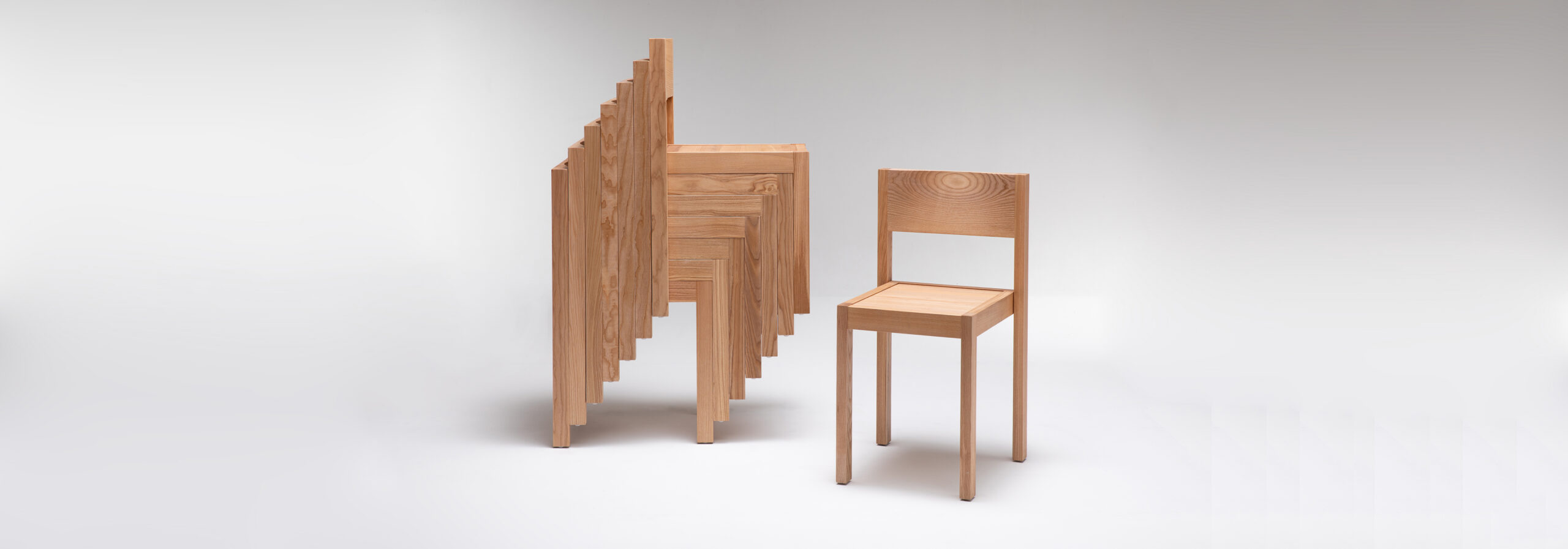
Krost’s catalogue outshines the other finalists through its focus on ergonomics, wellbeing, essential furnishings and clean, sweeping vital lines as central ingredients for a healthy, productive workplace. Integrated diagrams throughout demonstrate the various ways table heights and seating angles can be adjusted for the most comfortable, productive posture. Other subtle touches are included to make any workspace designed by Krost an inviting one. The modesty panel, the integration of plant pot holders in workstations, and the depictions of office greenery and Indigenous Australian artwork in the digital renderings are culturally-sensitive and market-aware touches, true to the company’s dedication to sustainable and socially responsible design processes.
Both this win for Krost and its offerings throughout the catalogue serve as a pointed reminder to us all in A+D. Namely, that in a world of increasing employment agility and decreasing loyalty to individual companies, the executive level inspired by manufacturers like Krost to foster a healthier, greener, more positive workspace are rewarded many times over – and not just in productivity and dedication.
Congratulations Team Krost!
View the winning design for Krost’s 2016 catalogue here.