The home of architecture and design in the Asia-Pacific
Get the latest design news direct to your inbox!

Get the latest design news direct to your inbox!
In a recent review of its program, Woodhead, Australia’s first Asia-Pacific architectural firm to become carbon neutral, found travel to be the biggest contributors to carbon emissions in the battle for a carbon neutral office.
July 30th, 2008
The culture-changing, carbon emissions review, took place a year after introducing the initiative. The audit found that of Woodhead’s 11 offices and 353 staff, 62% of carbon emissions produced by the firm was due to national and international travel.
Other factors contributing to Woodhead’s Co² emission levels are electricity at 29%, car travel, taxis and couriers at 7% and paper purchases at 3%.
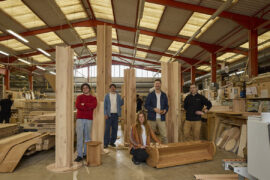
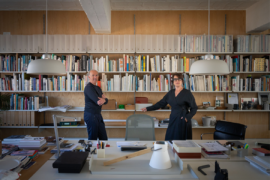
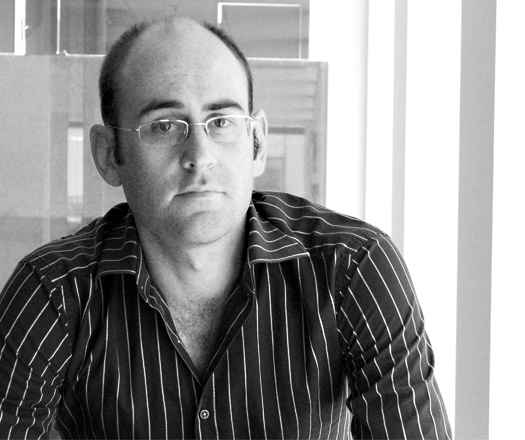
Woodhead’s National Group Leader for Sustainability, Alex Nock (pictured), said “The audit has made us more strategic in our methods of reducing carbon emissions. We have invested in new video conferencing facilities, and team collaboration software to decrease the need for travel our biggest emissions producing activity.”
“Architecture is one of those mediums which can be at the forefront of awareness and can make a difference,” said Nock. “Staff embraced the carbon neutral initiative and recognise travel, paper and electricity are inherent aspects of the business but we need to continue to foster a culture which is conscious of the wider impacts our business has on the environment.”
In 2007 a series of initiatives were introduced to the offices including double-sided printing, increased recycled content in paper purchasing and increased recycling and re-programming of the air-conditioning in several studios.
INDESIGN is on instagram
Follow @indesignlive
A searchable and comprehensive guide for specifying leading products and their suppliers
Keep up to date with the latest and greatest from our industry BFF's!
The internet never sleeps! Here's the stuff you might have missed