Climate Wizardry
Published
By
jesse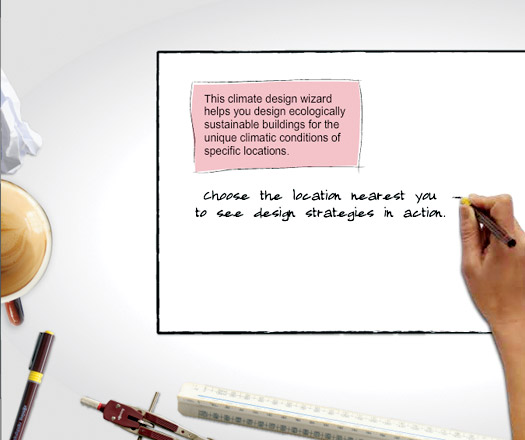
Think Brick Australia’s new online Climate Design Wizard encourages the public to pursue energy efficiency.
As weather conditions increase in severity and energy prices are ever-mounting, Think Brick Australia has launched a Climate Design Wizard to alleviate the pressure.
The online tool was designed to educate the public about how to harness climates to reduce energy consumption and build environmentally sustainable homes.
A recent study shows that 71 per cent of New South Wales homeowners perceive energy efficiency as being irrelevant or a minor consideration in their decisions to purchase houses.
Leading environmental architect Tone Wheeler is concerned with this line of thinking and the negative repercussions such misconceptions will have on the environment.
He contends, “as Australia continues to experience more extreme weather patterns – meaning longer, hotter summers, more severe storms and ongoing drought conditions – it is bewildering that energy efficient house design is not at the forefront of Australians’ minds. And the key to energy efficiency is designing the home to fit the climate.”
Responding to weather conditions will significantly reduce, or even eliminate, a home’s energy use during various times of the year, thereby lowering costs and decreasing ecological implications.
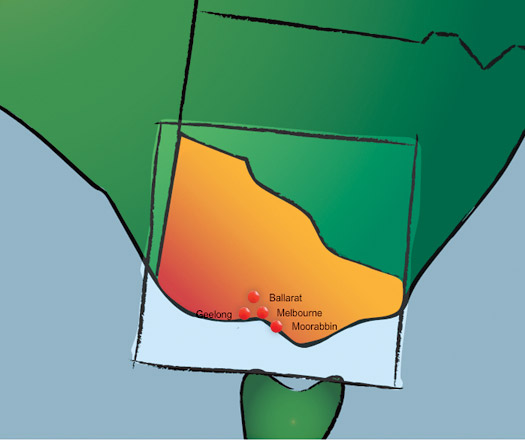
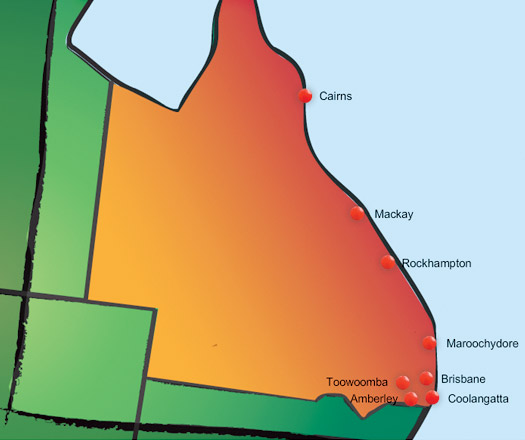
Valuing this approach, Think Brick Australia’s Climate Design Wizard offers a century of climate data across 27 Australian climate zones and tips as to how to best manipulate this information to design sustainable outcomes.
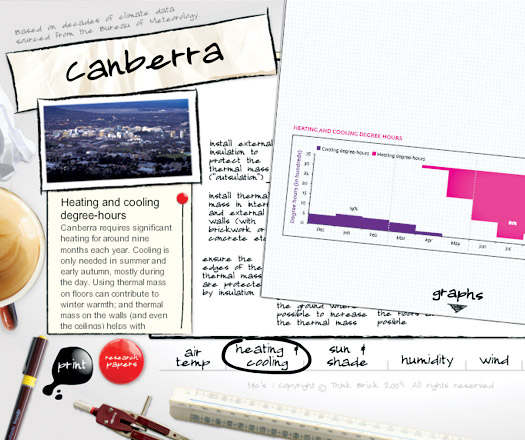
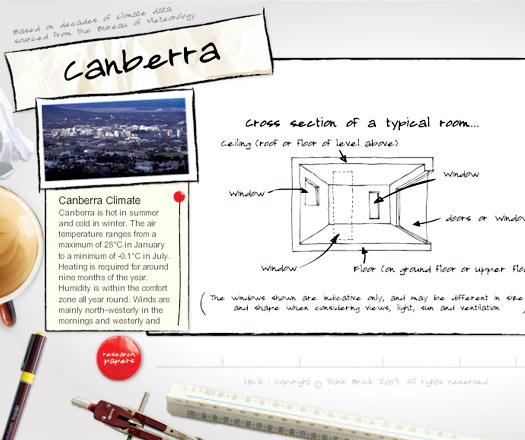
The free website provides ideas and advice on air temperature, humidity, heating and cooling degree hours, solar irradiation and sky condition, rainfall and wind data specific to different locations around the country.
CEO of Think Brick Australia, Linda Ginger, recognizes the importance of building homes to fit the climate, “Not only are we reducing the burden on the environment and therefore future generations but as energy costs are set to soar, total reliance on mechanical and heating will become cost prohibitive.”
The wizard “…provides simple and easy advice to anyone who is looking to reduce their reliance on space heating and cooling and achieve natural thermal comfort,” explains Ginger.
To access the Climate Design Wizard, visit designingforclimate.com.au