The home of architecture and design in the Asia-Pacific
Get the latest design news direct to your inbox!

Get the latest design news direct to your inbox!
Feng Shui literally translates to “wind-water”. It refers to the interaction of energy forces in an environment and the way that they can be harnessed.


May 4th, 2022
Feng Shui is an ancient Chinese art which has been traced back to as early as 960 B.C. Feng shui primarily involves arranging objects and space in an environment to balance opposing energy forces and achieve harmony. Flow is an important part of Feng Shui, keeping all five of the elements in check to improve the physical, mental and spiritual health of individuals in the environment.
The five primary elements of Feng Shui are water, earth, fire, metal and wood. Interior arrangement should encourage the five elements to live together in harmony. Each type of interior design element will lean towards one (or more) of the five elements, and achieving a balanced interior is the main goal of Fung Shui.

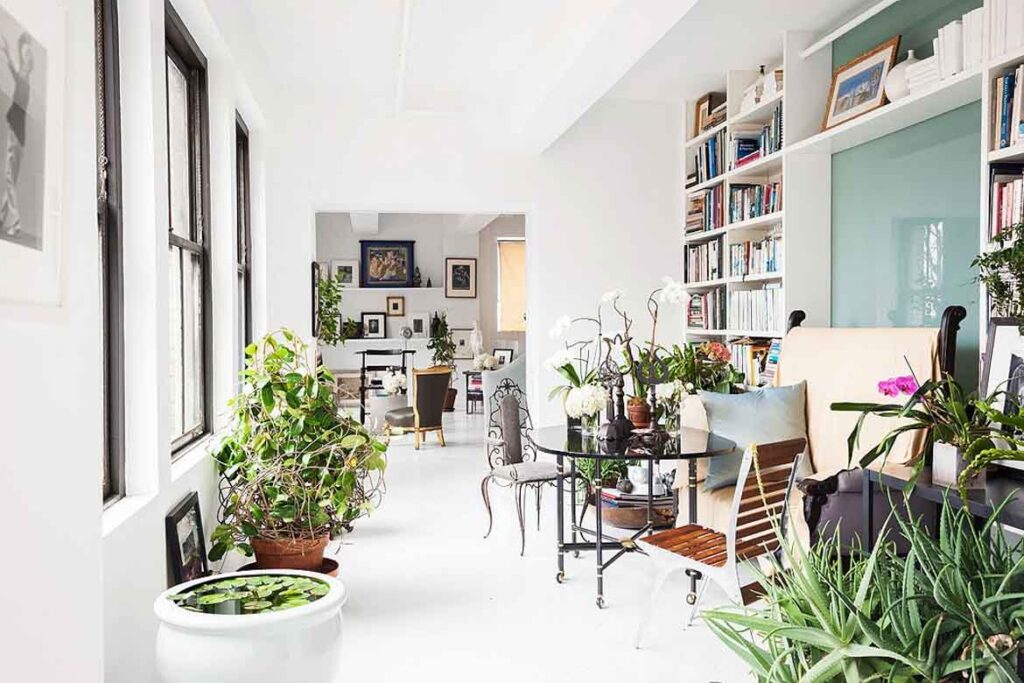
For instance; wooden furniture, floors, feature walls, or plants are Wood and Earth leaning. Metal can be used to balance the energy levels inside a home in the form of sculptures. Earthen influences include rocks, crystals, dirt (i.e. within potted plants), and landscaping imagery.
Candles are a popular choice to safely include fire. The essence of water is also captured in most reflective surfaces such as mirrors. To attune with all of the elements, the ideal environment will have a balanced amount of items that represent or capture the essence of each element.

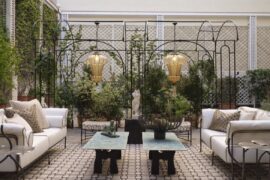
Indoor plants are one of the more popular ways to aid in balancing the feng shui of a home. This is because they hold both wooden and earthen energy, already a study in balancing elements. The principles of Feng Shui can be applied to modern life and many consider plants capable of counteracting negative energy.
There seems to be some scientific merit to this; substantial evidence suggests that plants have air purifying capabilities, and house plants have been proven to improve mood, concentration, focus and creativity. So, how to best harness the spiritual benefits of cultivating Feng Shui energy paths?

Where to put plants in house
Placement is incredibly important when it comes to designing the Feng Shui of your home. Aligning plants with certain points on a compass is a popular practice and plants as a primarily wooden influence should be placed in the East, South and Southeast places within a home for wealth, health and prosperity.
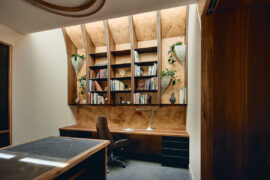
The center of a home should hold primarily Earth energy, so wood dominant elements like plants can weaken the flow of positive energy if placed in the center, South West and Northeastern points of a home. Other places to place plants to promote positive energy flow include the entryway, living room, dining table, and near workspaces as they are believed to absorb surrounding negative energy.
Bad Feng Shui plants: avoiding bad luck
Fake plants are some of the worst possible design elements for Feng Shui. Cacti are also generally considered to be a poor conductor of positive energy due to their spiky and hostile experience. Unwell plants or plants that are dying can also interfere with the channeling of positive energy and should be removed from the environment.
3. Money Plant

Money plants (also known as the Feng Shui Money Tree and/or the Jade Plant) are a type of succulent ideal for attracting wealth and prosperity. The area most connected to success and abundance in Feng Shui is the Southeast area of a home. It also applies to the room – if you do not have a South facing house, try to at least make sure your money tree is placed in the Southeastern most corner of the room.

Following this guide makes money trees the perfect choice for office desks, for front of house and front doors (if the house is South facing), and for kitchens, bathrooms and bedrooms situated on the Southeastern side of a house. Money plants are also thought to bring good luck and attract positive energy.
2. Bamboo Plant

Bamboo is a plant with similar attributes which is also thought to bring good luck when situated correctly within the home. Bamboo, like most wood-dominant feng shui plants, works best when placed in the east or south corners of a room/home. Bamboo is also thought to strengthen connections between people and bring happiness within relationships.
There are many different types of bamboo that make them beautiful indoor and outdoor plants. Be aware of how fast bamboo can grow when making your decision – choosing a slower growing form of bamboo (such as the succulent ‘lucky bamboo’) could save some maintenance work in the long term.
1. Snake plant

Succulents are generally thought to bring good luck. This is likely related to their capacity for storage, as they can retain water for an extremely long time and are capable of thriving in harsh decisions. While cacti are typically bad choices for Feng Shui, certain succulents like the Money Tree described above can improve luck and energy levels within the home.
Appearance is important here; spikey and hostile plants like cacti can interrupt the flow of positive energy within a room while friendly and rounded succulents will meld into the environment. Remember that while all cacti are succulents, not all succulents are cacti. The snake plant is one such succulent that works well to create harmony within Feng Shui. For more information about the types of succulents and how to keep them healthy, see here.
INDESIGN is on instagram
Follow @indesignlive
A searchable and comprehensive guide for specifying leading products and their suppliers
Keep up to date with the latest and greatest from our industry BFF's!
The internet never sleeps! Here's the stuff you might have missed