The home of architecture and design in the Asia-Pacific
Get the latest design news direct to your inbox!

Get the latest design news direct to your inbox!
Serious energy efficiency, precision materials, quietness, natural air circulation and great design – there are plenty of reasons why Haiku fans are multiple award winners.

November 12th, 2019
Not all ceiling fans can boast of a pioneering DC motor that exceeds global energy efficiency standards by 450 per cent. Haiku fans, made by USA-based company Big Ass Fans and distributed in Singapore by Phylux, offer this and much more.
Another part of the secret to Haiku’s efficiency is the design of the airfoil (cross-section of the blade) – an aerodynamic profile that allows for the smooth and silent movement of large volumes of air with minimum resistance.
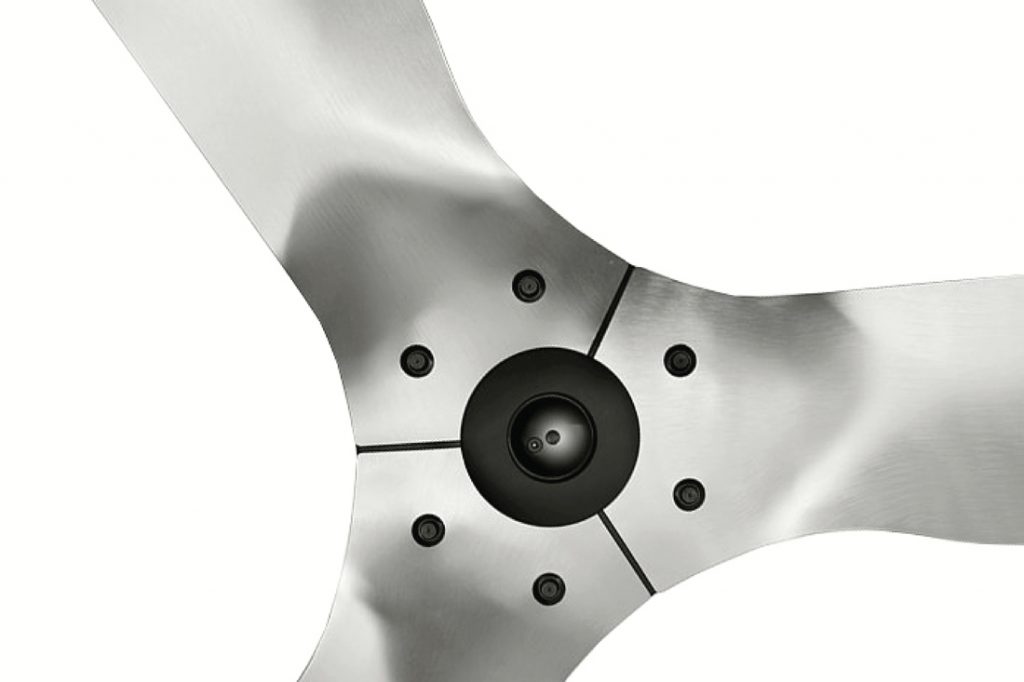
The bamboo, composite and hybrid blades of Haiku fans define the H-Series, I-Series and L-Series respectively. The blades are handcrafted with five layers of strong, sustainable bamboo (H-Series); a carbon and glass fibre composite (I-Series); and hybrid materials incorporating blends of polyesters, vinyl esters, polyurethanes or epoxies (L-Series).
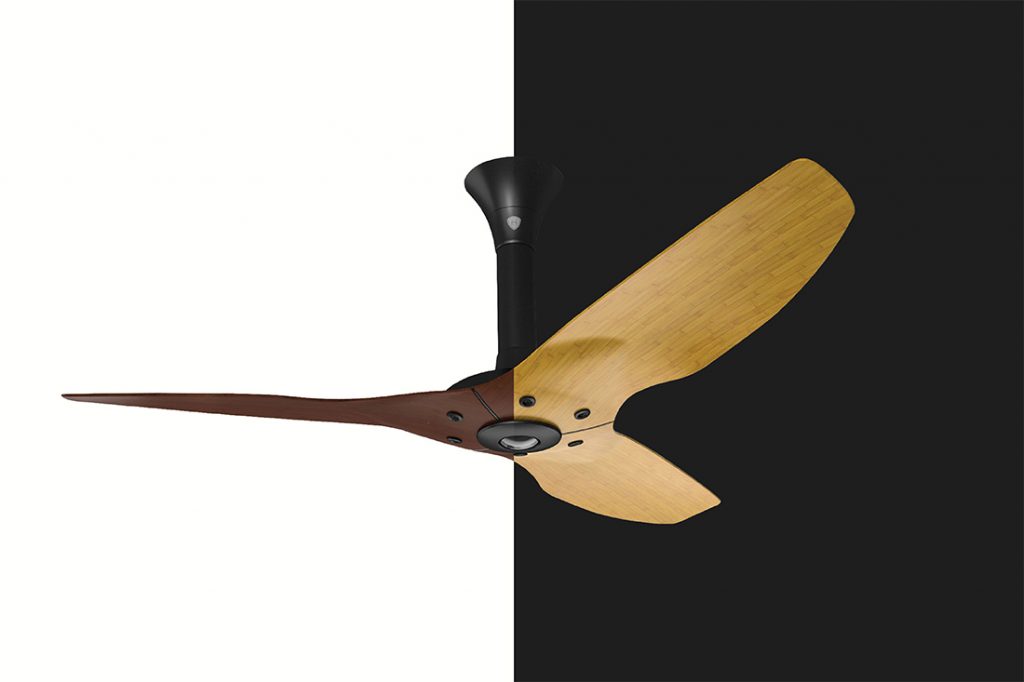
The blades of the H-Series are crafted with five sheets of bamboo veneer, which are hot pressed, cut and sanded by hand before a solvent-free finish is applied to highlight the natural grain. Each blade needs to meet rigorous integrity tests before being incorporated into a Haiku fan.
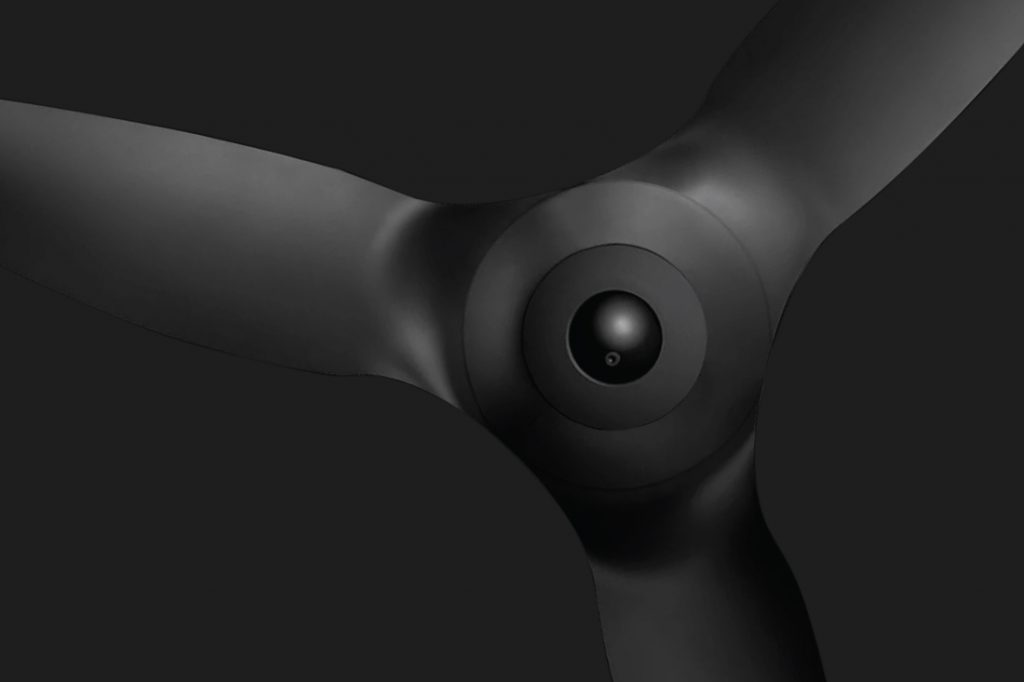
The I-Series, with composite blades, is the original Haiku fan. Available in indoor and outdoor models, it has been recognised with scores of international design and technology awards and exceeds energy star standards.
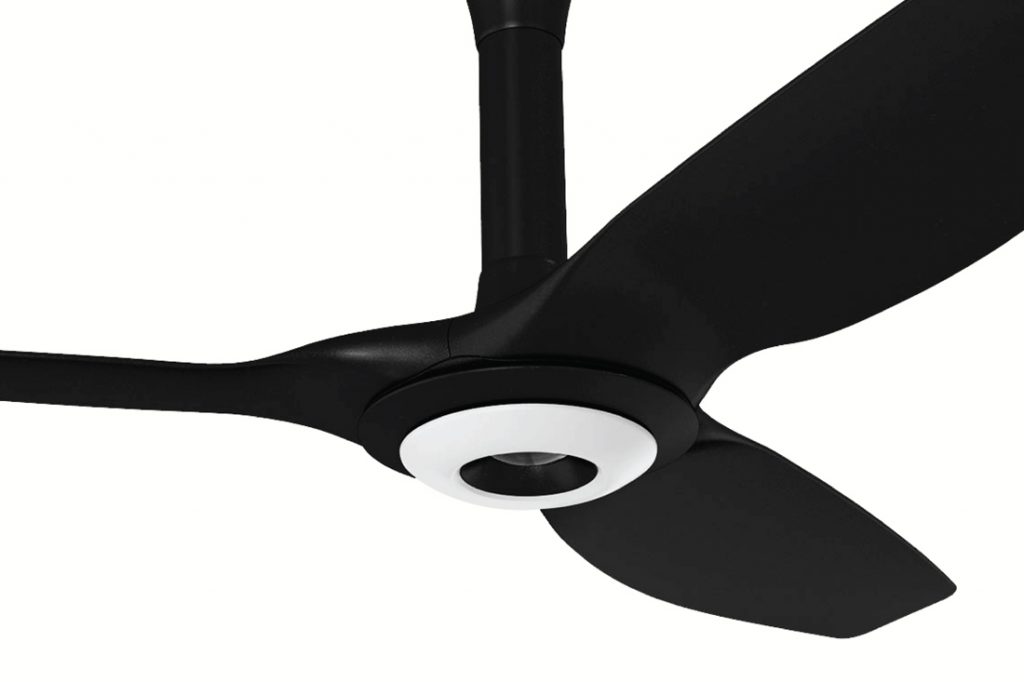
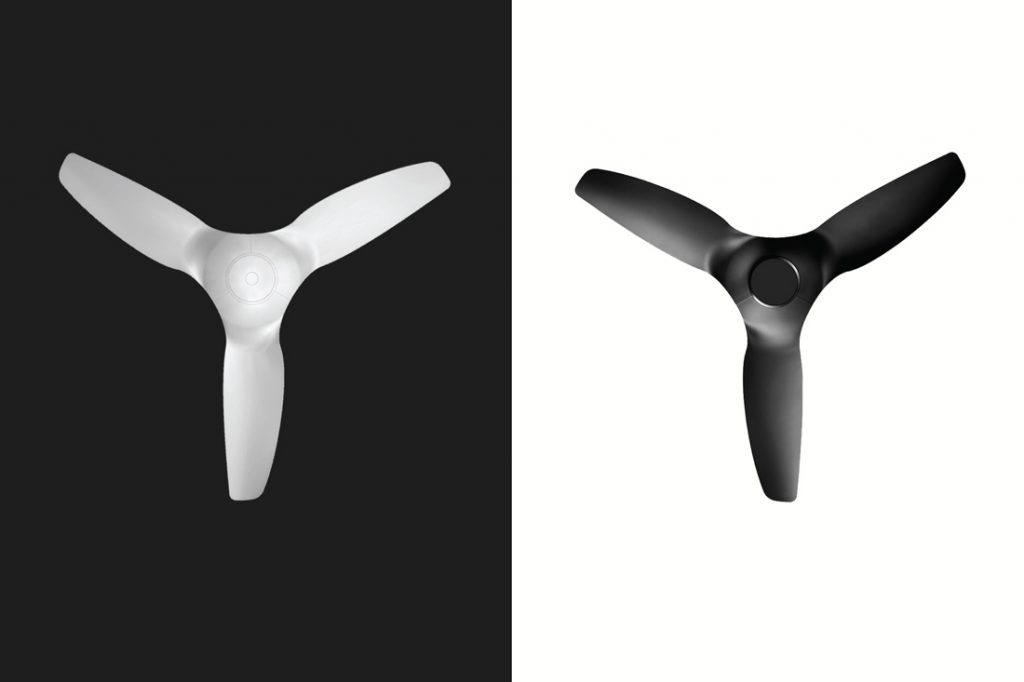
The UV-resistant hybrid resin airfoils of the L-Series are produced in black or white, and feature an optional LED light with 16 brightness levels in cool white or warm LED light. The L-Series is specifically for indoor use.
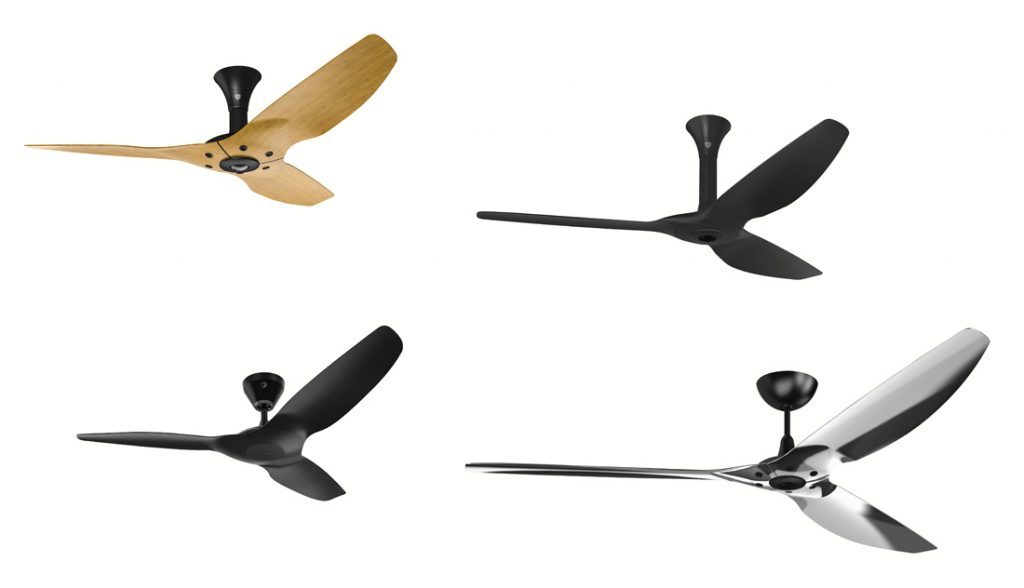
Additionally, some models are available in a large 84-inch size through the 84-Series. For large-space cooling, blades can be selected in a range of colours: yellow aluminium, polished aluminium, white aluminium, black aluminium, cocoa bamboo and caramel bamboo.
Haiku fans can be operated with a remote control or through the Haiku app. But perhaps the best form of operation doesn’t require the user’s input at all. Haiku’s unique SenseMe technology conveniently adjusts the fan’s settings in response to changing room conditions. Motion sensors automatically turn the fan on or off, and temperature and humidity sensors help to manage the air flow for optimal comfort based on the day’s conditions. SenseMe is only available with the H-Series and I-Series.
Google Home or Amazon Alexa integration is also possible. So if ultimate home automation is your thing, Haiku has you covered.
In Singapore, Haiku fans are distributed by Phylux.
INDESIGN is on instagram
Follow @indesignlive
A searchable and comprehensive guide for specifying leading products and their suppliers
Keep up to date with the latest and greatest from our industry BFF's!
The internet never sleeps! Here's the stuff you might have missed