The home of architecture and design in the Asia-Pacific
Get the latest design news direct to your inbox!

Get the latest design news direct to your inbox!
In just three years, Melbourne practice Studio Esteta has established itself as a presence to watch on the Australian design stage. We go behind the scenes to learn what makes these 2019 INDE.Awards’ The Prodigy nominees tick.

March 19th, 2019
What does it mean for design to be “beautiful”? For Melbourne practice Studio Esteta, beauty runs far more than surface deep, and in order for design to be beautiful it must respond sensitively to the site conditions and brief. “We believe in the many facets of beauty, often raw and unpredictable,” explain practice founders Sarah Cosentino and Felicity Slattery. “It is this that informs our approach to a project alongside the ephemeral and physical qualities and context of a site.”
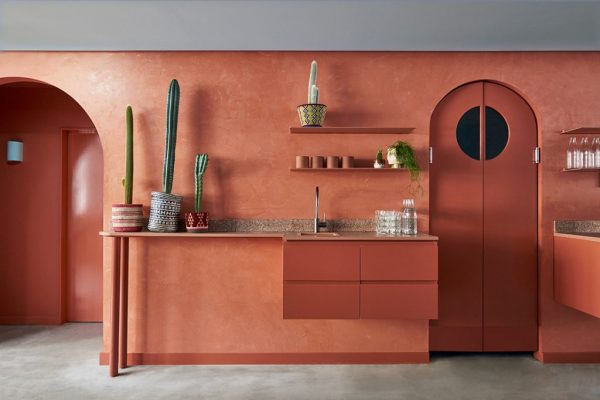
Fonda Bondi. Photo by Tessa Ross Phelan.
That Studio Esteta – named for “aesthete”, the Italian term for one finely attuned to, and appreciative of, beauty – should be driven by such clarity of vision will be unsurprising to those familiar with the practice’s carefully considered, finely crafted work. More remarkable is the expansiveness of this vision, which encompasses a collaborative approach, keen understanding of the emotional potential of design, and desire to advance the mainstream public’s understanding of design’s value.
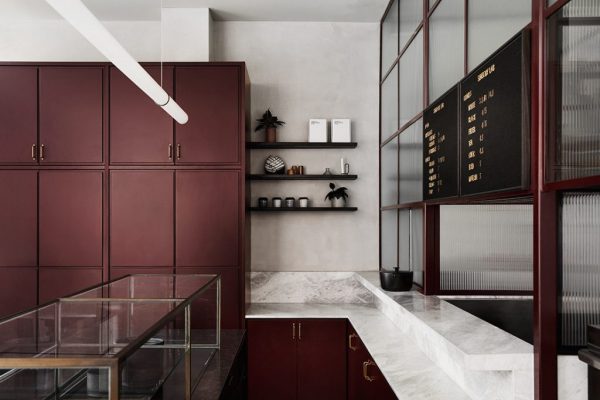
Sensory Lab. Photo by Sharyn Cairns.
“The output of architecture and design in Australia is so strong, however the broader social value of design is somewhat behind,” say Cosentino and Slattery. “We often find ourselves having to justify the worth of investing in design services – more than we should have to.”
Yet many would argue that since its establishment in 2015, Studio Esteta has done more than simply justify its worth. Working across hospitality, workplace, and residential projects, the practice has fast earned a reputation for sophisticated, inspiring design that expertly navigates the overlap between beauty and function, eschewing trends in favour of complexity and uniqueness.
The formal and conceptual coherence of Studio Esteta’s performance is the result of a years-long friendship between Cosentino and Slattery, who met as co-workers at Clare Cousins Architects and soon developed a strong professional and personal relationship. “Our shared partnership solidifies our strong belief in the value of collaboration, which in turn informs our approach to both our projects and the running of our studio,” the duo says.
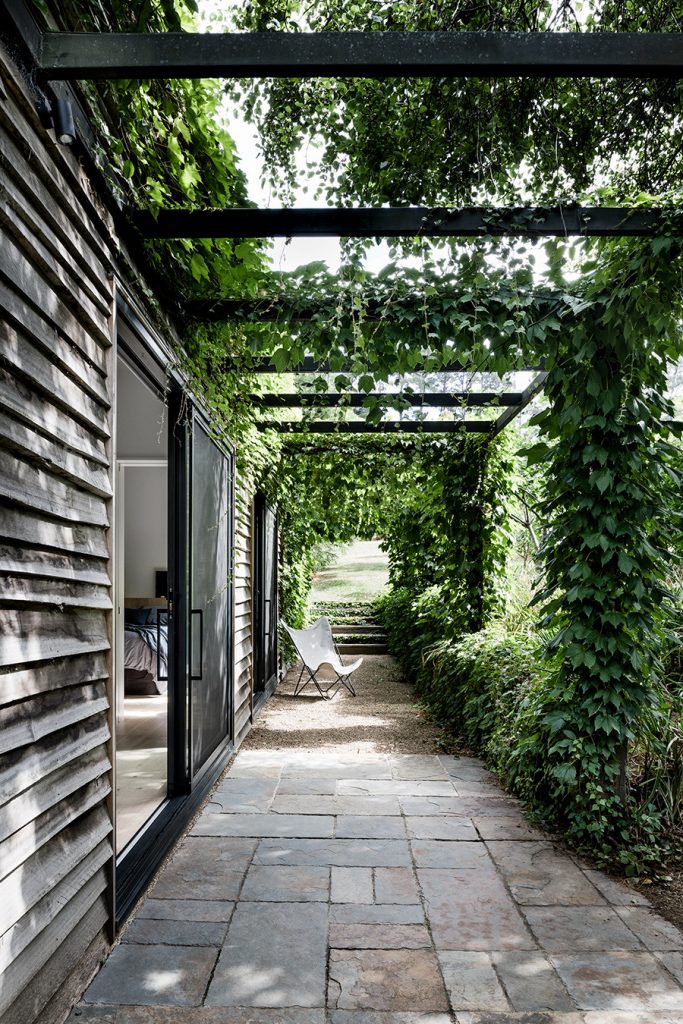
Merrick’s Guest House project. Photo by Tom Blachford.
The pair emphasises the importance of collaboration and consultation in their design process, which always begins with a thorough interrogation of the client’s qualities and personality, whether a residential client or commercial brand. “We find the early stages of any project highly important,” says Studio Esteta, “[It’s] a critical time to talk with our clients, ask many questions, and – most importantly – to listen.”
The fruits of this collaborative, iterative design process are clearly apparent in Studio Esteta’s portfolio, which celebrates diversity and the bespoke. Recently, the practice took on the ambitious brief of transforming Merrick’s Guest House in the Mornington Peninsula, a rustic Eckersley Garden Architecture-designed timber outhouse, into refined, contemporary accommodation.
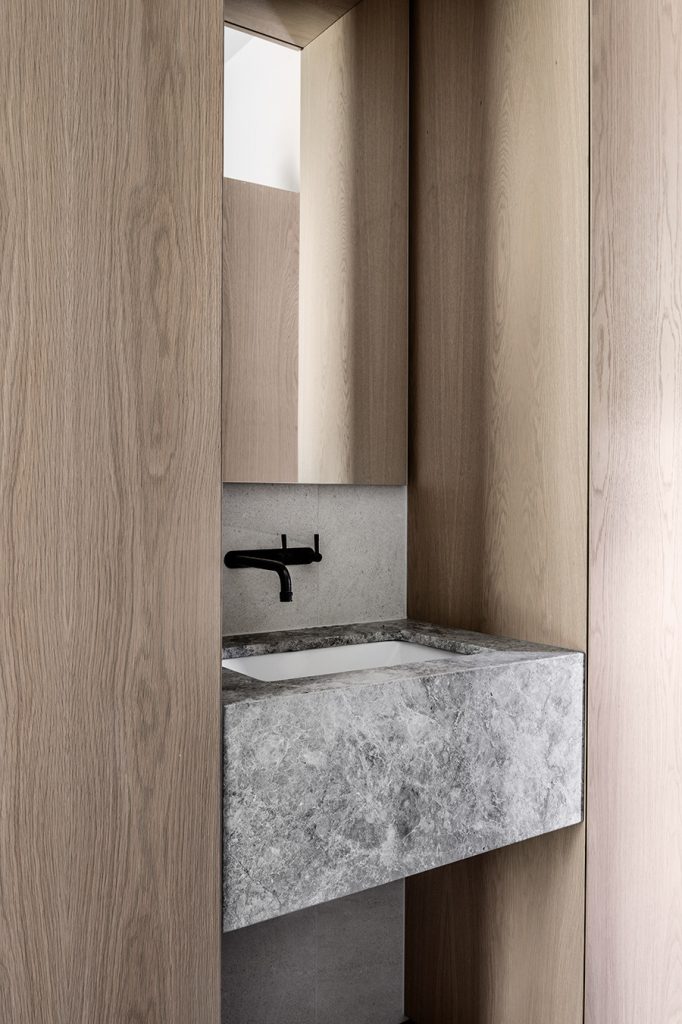
Merrick’s Guest House project. Photo by Tom Blachford.
To achieve this, they closely studied the site’s natural and historical context and worked to integrate the Guest House with the landscape and primary residence. The resulting project is intensely site-specific, availing of a material palette of timber and glass that honours the original structure and celebrates its surroundings.
This meticulous approach is mirrored in Fonda Bondi, for which the practice drew inspiration from modern Mexican architecture and the strong character of Bondi Beach to translate Fonda’s playful, youthful brand identity into sophisticated design. Resplendent in Luis Barragan-inspired pastel hues terrazzo details, the restaurant is summarised by Studio Esteta as “a refined and unpretentious resolution.”
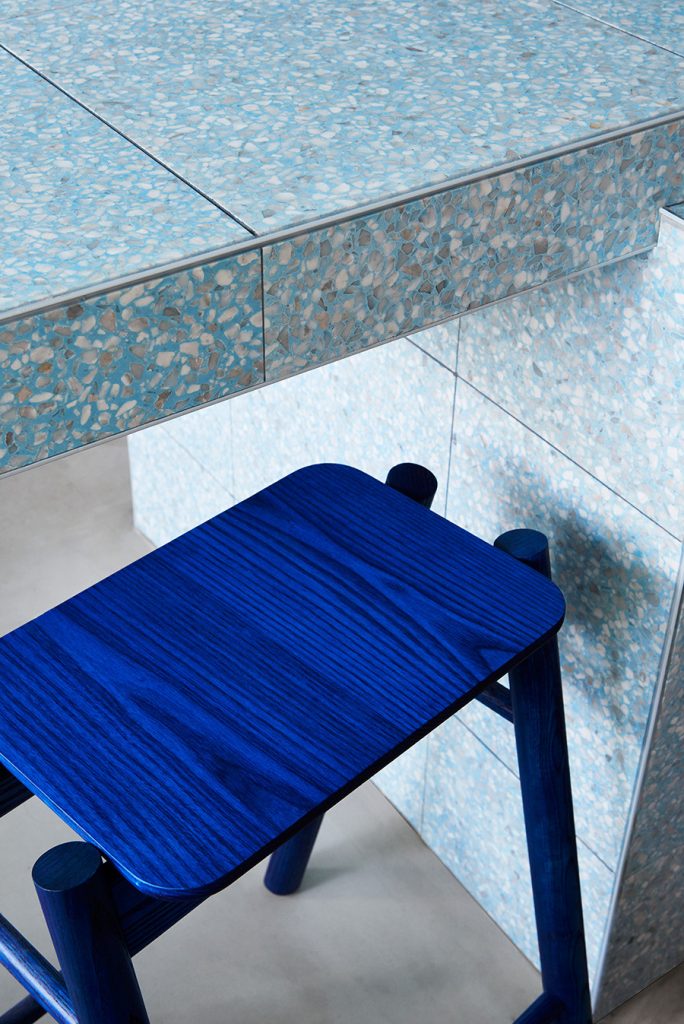
Fonda Bondi. Photo by Tessa Ross Phelan.
While the practice celebrates variety and the challenge of the unknown, it is also appreciative of the familiar rhythm enabled by working with a small team. In addition to Cosentino and Slattery, two other staff members round out Studio Esteta, which manages the design, administrative, and marketing aspects of the business with a team-centric approach the founders describe as “extremely busy – but constantly varied, exciting, and inspiring.”
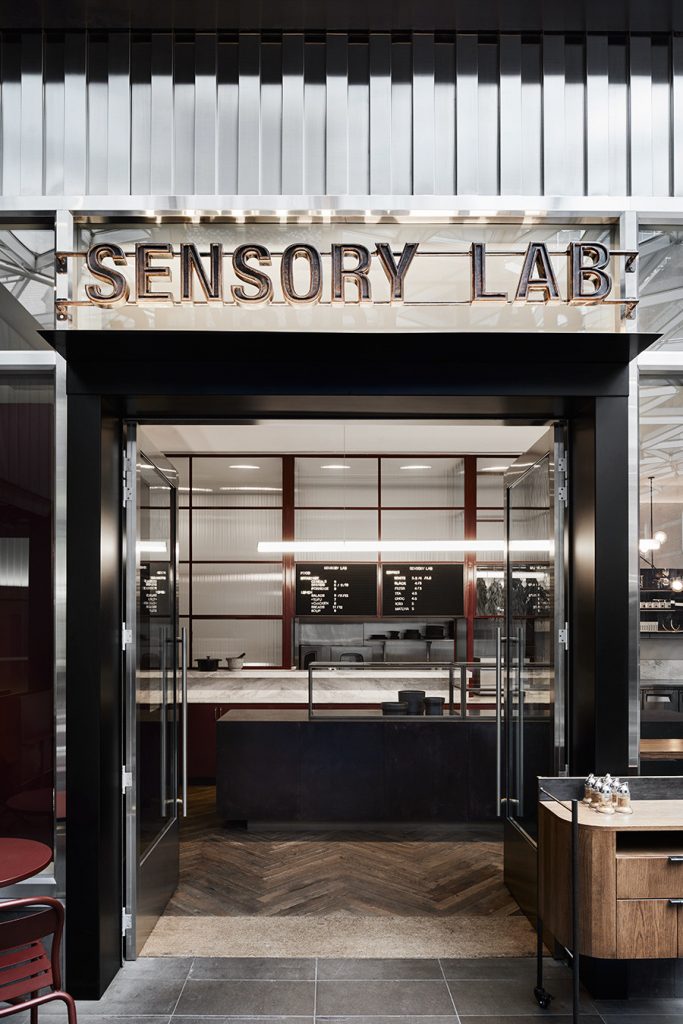
Photo by Sharyn Cairns.
The description is equally apt for the practice itself, whose embrace of the beauty of the unknown and ever-changing is a shining example for their peers of the present and future.
INDESIGN is on instagram
Follow @indesignlive
A searchable and comprehensive guide for specifying leading products and their suppliers
Keep up to date with the latest and greatest from our industry BFF's!
The internet never sleeps! Here's the stuff you might have missed