The home of architecture and design in the Asia-Pacific
Get the latest design news direct to your inbox!

Get the latest design news direct to your inbox!
When Poul Henningson presented the prototype of PH Septima in 1928, the sound of applause reverberated through the Danish Museum of Decorative Art where the unveiling took place. This year, in celebration of Henningson’s heritage, Louis Poulsen is reintroducing a modern version of the original design. And the second round of applause is imminent.

December 6th, 2020
Drawing inspiration from the iconic three-shade system of the PH 5/5 lamp, and forming the basis for the development of the PH Artichoke, the significance of PH Septima in the lineup of the most refined pendants designed by the master of light is beyond warranted.
Its exquisite design makes it easy to imagine the first spectators would be in awe of Poul Henningsen’s prototype.
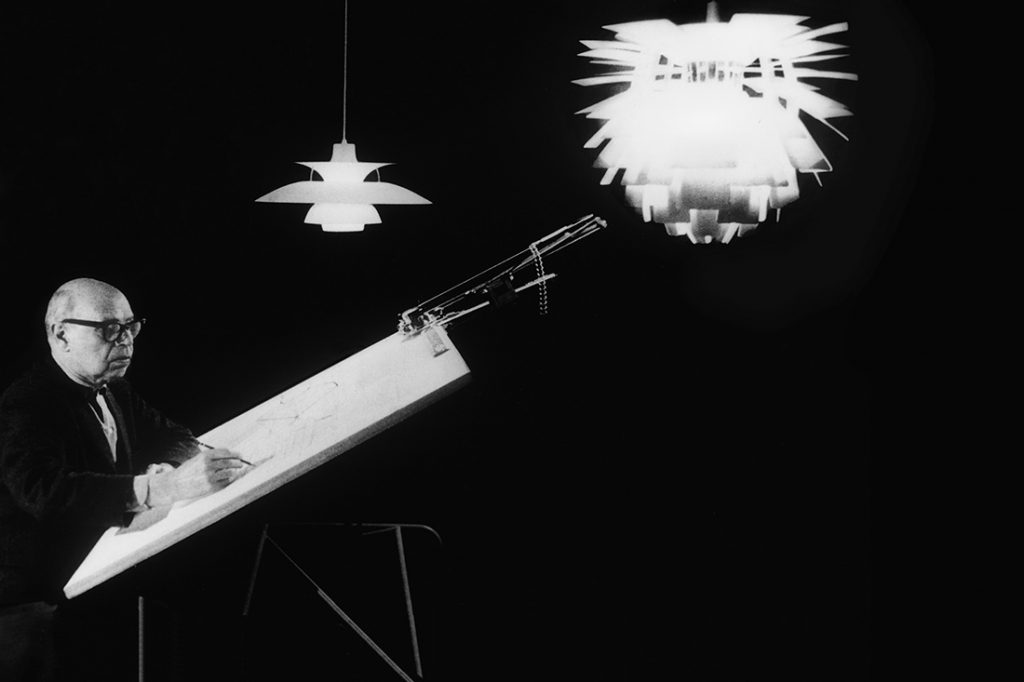
Poul Henningsen designing the Septima
Produced with durable but incredibly delicate Italian borosilicate glass, the seven-shade system has an excellent quality to it. Taking the three-shade system of the PH 5/5 further, four extra shades were inserted between the three original basic shades. All seven of them are made with clear glass and decorated with alternating clear and frosted sections layered in a way that makes the frosted fields cover the clear ones underneath. Achieving the pure poetry of light and shade Henningsen was such a devotee of, the positioning of the layers enables the light to spread in a diffused way that produces a warm, inviting and pleasant atmosphere.
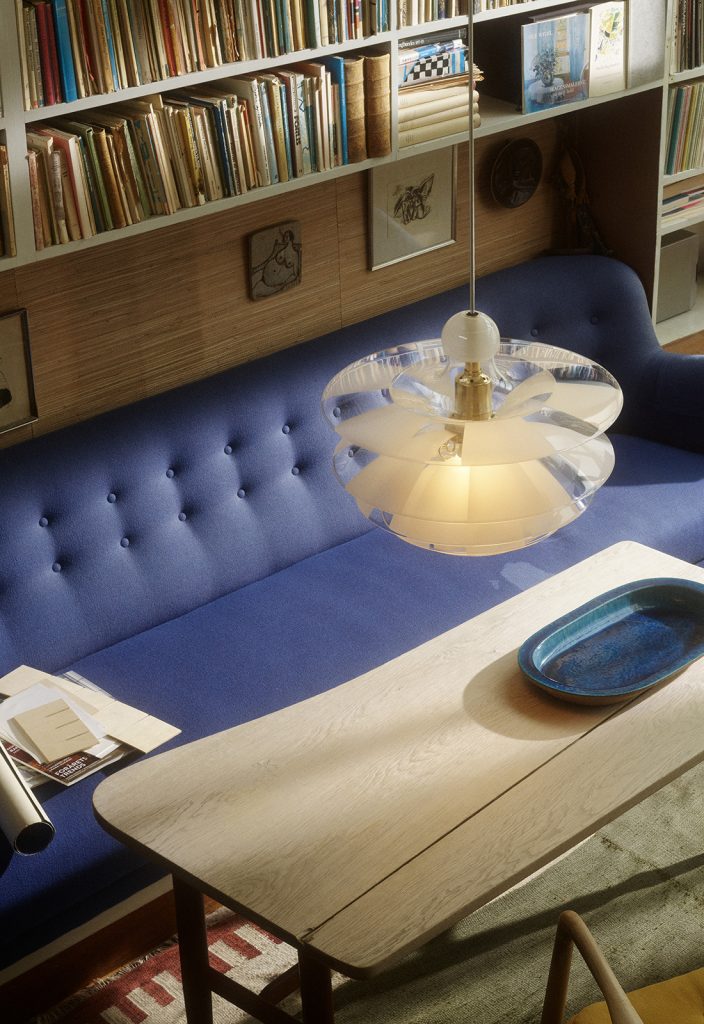
This year, celebrating the designer’s pioneering work on the balance between light, shadows, glare and colour reproduction, Louis Poulsen is reintroducing PH Septima – modernising it ever so slightly for the needs of the contemporary interior.
While its quintessential glare-free downward directed light distribution continues to provide gentle and sought-after lighting comfort, the updated design makes for a functional lamp that meets the more complex standards of the modern world.
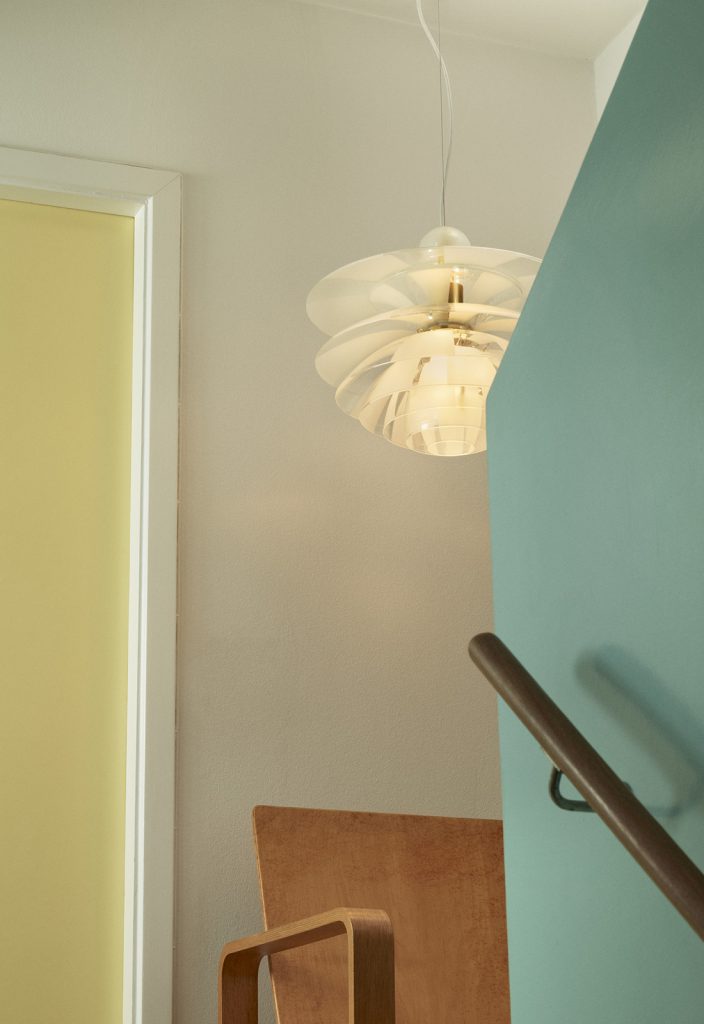
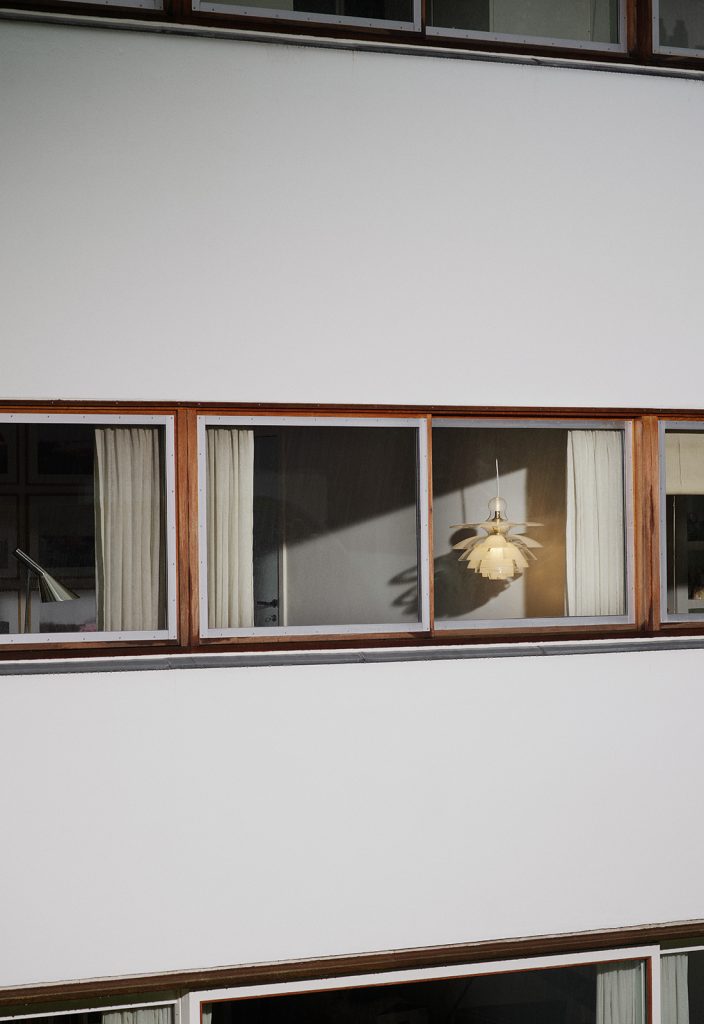
The more contemporary version of the PH Septima is now available in size Ø500 and comes with optimised suspension and improved glass for increased endurance and stability. A new brass suspension, arms and canopy complement the tone of the design, while the bulb is cloaked in seven glass shades, further improving comfort with even softer light.
While it comes as no surprise that the much-acclaimed design created by the world-famous Dane got an ovation in the late 1920s, Louis Poulsen’s purposeful approach to light and design expressed in this contemporary take on the original classic is certainly celebration-worthy.
INDESIGN is on instagram
Follow @indesignlive
A searchable and comprehensive guide for specifying leading products and their suppliers
Keep up to date with the latest and greatest from our industry BFF's!
The internet never sleeps! Here's the stuff you might have missed