The home of architecture and design in the Asia-Pacific
Get the latest design news direct to your inbox!

Get the latest design news direct to your inbox!
GreenhilLi designs two strikingly contemporary titanium-clad extensions for the 148-year-old building on One Empress Place.

November 18th, 2015
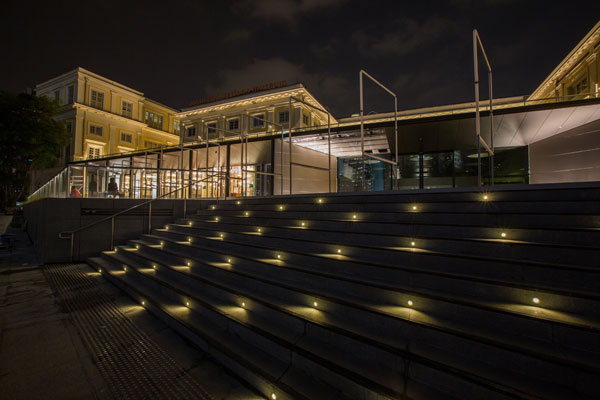
Top Image: Asian Civilisations Museum Riverfront Entrance
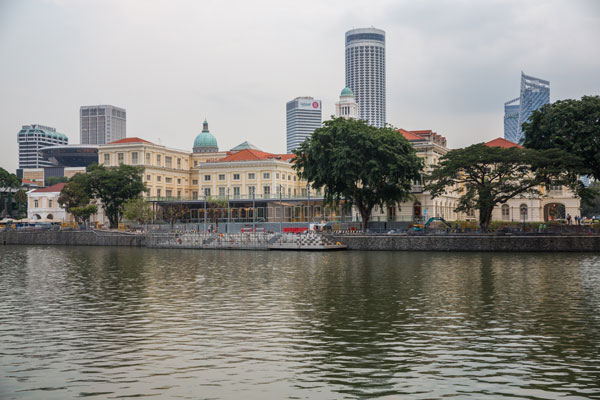
In over 140 years of its history, the building in Singapore which today houses the Asian Civilisations Museum has undergone several extensions and modifications. All of these were in keeping with the original style of the building. The latest extensions are, however, “unapologetically contemporary” according to homegrown architectural firm GreenhilLi, and are meant to form “interesting counterpoints” to the existing development.
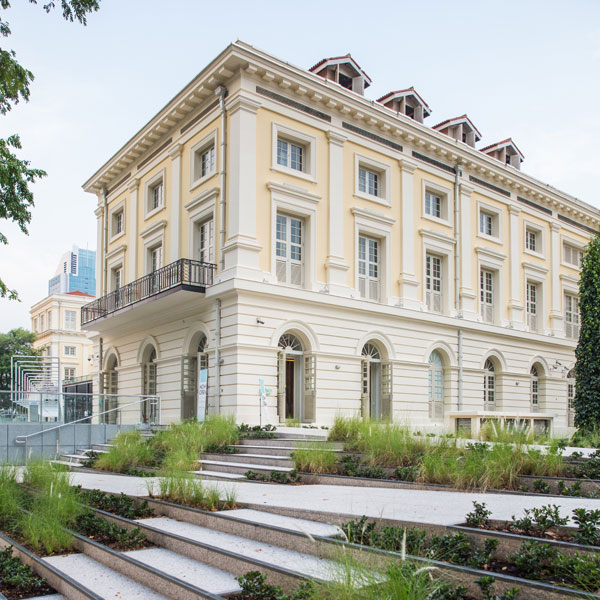
Asian Civilisations Museum Riverfront Entrance
“The architecture of the new extensions does not mimic the past, rather it honestly represents architecture of the 21st century while successfully complementing and integrating with the existing building,” the architects explain.
“In the process, much respect has been accorded to the national monument; no part of the heritage building is demolished, rather, where past unsympathetic insertions have removed heritage façade features, these have been restored and revealed for the first time in years,” they add.
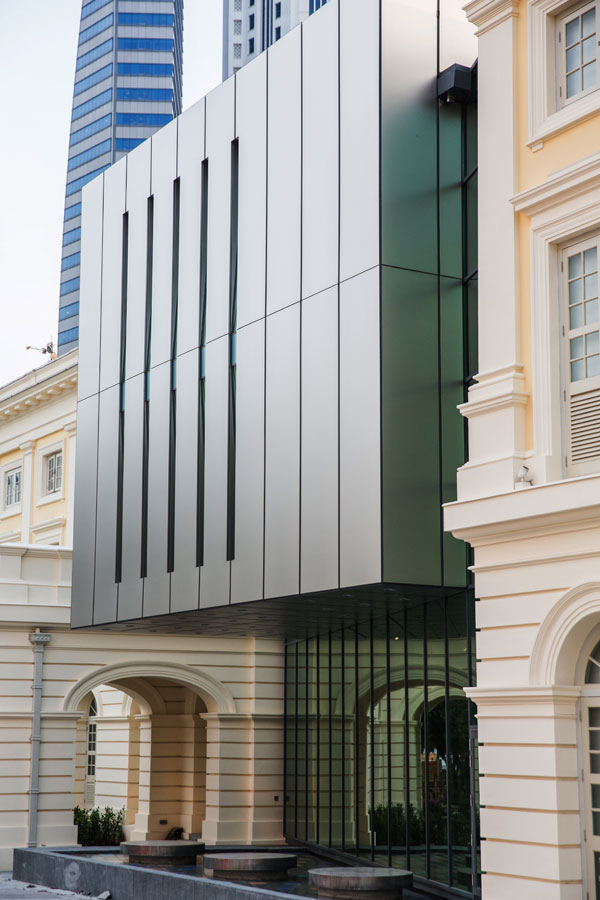
Kwek Hong Png Wing
The architecture of the new 869-square-metre Kwek Hong Png Wing takes the form of a metallic titanium cuboid that juts out from the colonial neoclassical façade of the existing historical building, one level above the ground.

Kwek Hong Png Wing
Three contemporary purpose-built galleries are housed over three levels. The first floor gallery space features a three-storey-high daylight-filled glass atrium, and the existing and new galleries are seamlessly connected via lightweight bridges.
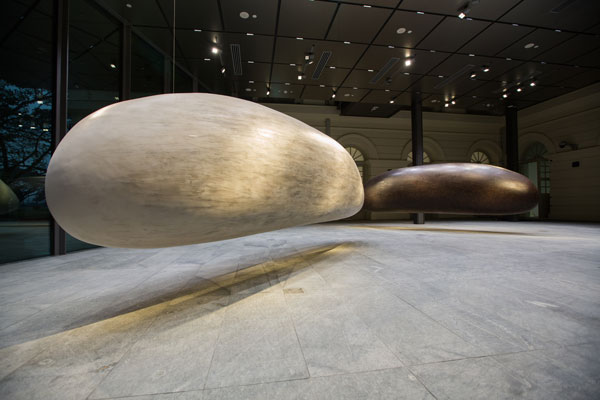
Contemporary Project Gallery – Grains of Thought exhibition at Kwek Hong Png wing
The riverfront extension, also by GreenhilLi, fronts the Singapore River promenade, reorienting the museum towards the waterfront and creating a new and welcoming open doorway to the museum. The key feature here is a grand titanium entrance portal that leads visitors into the expansive daylight-filled space.
The 26-metre-wide column-free gallery, which is home to the Tang Shipwreck collection, is also flooded with daylight, which filters in through numerous circular skylights.

Tang Shipwreck
As the architects explain, daylight has been carefully manipulated to “delineate and distinguish new from old, facilitate a sympathetic contiguity and create a symbiotic dialogue between the two.”
Through the same skylights, the roof terrace above comes alive a night, illuminated by pools of light from the gallery below.
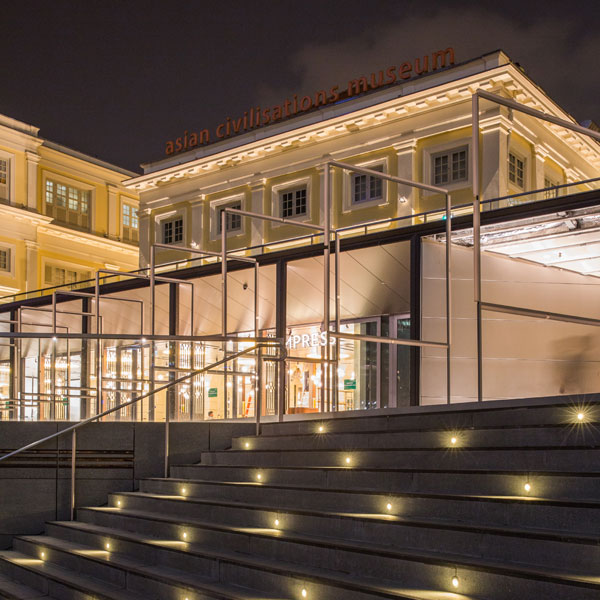
Riverfront Entrance (WIP)
GreenhilLi
greenhilli.com
INDESIGN is on instagram
Follow @indesignlive
A searchable and comprehensive guide for specifying leading products and their suppliers
Keep up to date with the latest and greatest from our industry BFF's!
The internet never sleeps! Here's the stuff you might have missed