The home of architecture and design in the Asia-Pacific
Get the latest design news direct to your inbox!

Get the latest design news direct to your inbox!
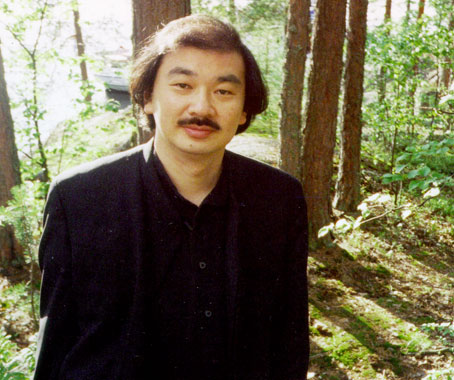
Part humanitarian, part architect, Shigeru Ban, founder of Shigeru Ban Architects, speaks about milestone projects of a virtuous design philosophy at Business of Design Week. Ben McCarthy has this story.
December 8th, 2011
Japanese architect Shigeru Ban is best known for his innovative use of sustainable materials, in particular, paper tubes, which he has applied to a range of award winning buildings, from museums to emergency housing.

Paper partition, Voluntary Architects Network
Ban opened his lecture at Hong Kong’s Business Of Design Week seminar by explaining his first discovery of architecture: “I was very disappointed about the profession of architects, because we are mainly working for privileged people… Doctors, lawyers are working for the general public, not only rich people.”


Hualin Temporary Elementary School in Chengdu, China
This has led him to divide his time between high budget projects, and disaster relief shelters. His explorations into the structural integrity of inexpensive materials provide him with a great platform for both applications. He says, “Paper tubes existed already but nobody had used them as a structure.”

Cardboard model of the Christchurch Cathedral in New Zealand
Ban seems inspired by the challenge such unconventional materials present, and a desire to be efficient. “I hate to waste materials,” he states. These self-imposed limitations inevitably lead to creative solutions and new forms, suited to a permanent or temporary context.

Christchurch Cathedral (model)
“Strength of material has nothing to do with the strength of the building,” Ban explains. Following the earthquake in Kobe, Japan, Ban designed a temporary Paper Church in 1995, which remained in use of over a decade. After which it was deconstructed and moved to Taiwan, where it was reassembled as a permanent structure.

Tsunami reconstruction project in Kirinda, Sri Lanka
This exemplifies his attitude towards the concept of temporary, which he sees as defined by attitude, not by material. “Even a building made from paper can be permanent if people love it.”
Shigeru Ban Architects
shigerubanarchitects.com
Business of Design Week was held in Hong Kong from 28 November – 3 December. The event brought together innovative thinkers and business leaders from around the globe to discuss a broad range of 21st century challenges in design, technology and brand management.
INDESIGN is on instagram
Follow @indesignlive
A searchable and comprehensive guide for specifying leading products and their suppliers
Keep up to date with the latest and greatest from our industry BFF's!
The internet never sleeps! Here's the stuff you might have missed