The home of architecture and design in the Asia-Pacific
Get the latest design news direct to your inbox!

Get the latest design news direct to your inbox!
Ploh reveals the secret behind their sumptuous bedding collection.

January 17th, 2012
From specially selected down to the finest Egyptian cotton yarns, Ploh bedding turns ordinary sleeping spaces into personal havens.
Most important to making quality bedding is the fill used. Ploh uses down clusters for their natural lightness, fluffy texture and unparalleled warmth-to-weight ratio, which owes itself to its structure of multiple branches radiating from the centre. These tiny branches are lined with microscopic nodes that hook and interlock to create air pockets, providing the insulation needed to keep one warm and cosy at night.

But it’s not just any kind of down that Ploh uses. With a strict philosophy of only using the best, Ploh employs young goose down, which has a higher fill power – the higher the fill power, the warmer the down is for its weight – instead of regular duck down.

While most commercial down fall within the 500 to 600 fill power range, bedding such as Ploh’s Reserve Collection makes use of Siberian goose down clusters that have a fill power of 900. That said, Ploh’s Limited Edition collection uses down from the rare Eider duck, a protected species whose down can only be hand-harvested from its nest.
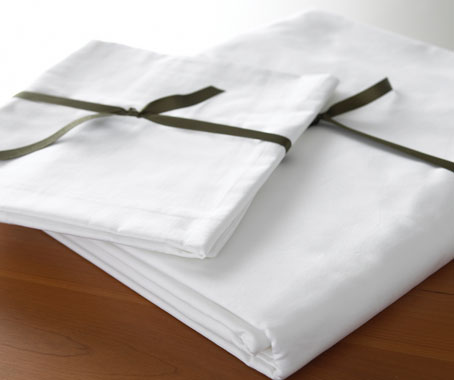
In addition to the warmth and comfort that down offers, it can also retain its original loft for decades with proper care. This is because down fibres are made of keratin and easily compress and return to their original form without breaking.
Paired with soft Egyptian cotton bed linen of the finest quality, Ploh’s pillows and duvets help create a sleeping experience that is simple, understated but wholly luxurious.
Ploh
ploh.com
INDESIGN is on instagram
Follow @indesignlive
A searchable and comprehensive guide for specifying leading products and their suppliers
Keep up to date with the latest and greatest from our industry BFF's!
Design Prima is the event for radical, inspirational commercial interior and architectural products, featuring the leading UK and international manufacturers. The product categories covered include furniture, flooring, textiles, lighting, surface mate
The internet never sleeps! Here's the stuff you might have missed