The home of architecture and design in the Asia-Pacific
Get the latest design news direct to your inbox!

Get the latest design news direct to your inbox!
Etienne Cochet, director of Maison & Objet, tells Rachel Lee-Leong about his plans to bring the hugely successful French furniture and products trade show to Singapore.
March 20th, 2012
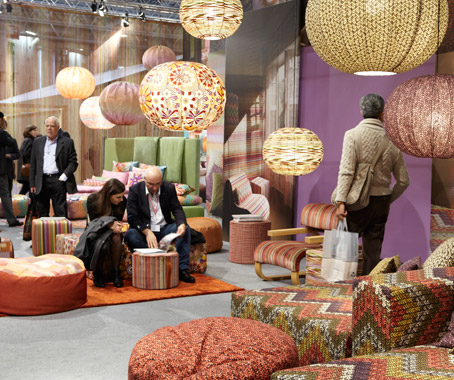
Maison & Objet is the largest design trade show of its kind in Paris with a showing of 3,000 exhibitors at its last edition in January. After having launched Maison & Objet Russia 2 years ago, Etienne Cochet now has his sights firmly set on Asia.

While nothing has been set in stone as yet (at least not until “the end of spring”), Cochet says that the likelihood of Maison & Objet Asia launching in March 2013 is high. We speak with Cochet about the impetus behind Maison & Objet Asia and what one can expect from the show.
Why was the decision made to bring Maison & Objet to Asia?
Asia is the future, and Asians like art de vivre (art of living), even before Europeans – porcelain and plates have been in China for 4,000 years! In Asia, people have loved it for centuries. So now, we think that sharing this spirit of decoration would be very interesting.
There’s a chance to do something strong in Asia. There’s no high-level show in Asia. We are high-end, and only high-end, so the most significant companies in the world who are interested in Asia will be in the show if we open next year.
And of all places in Asia, why Singapore?
We want to start with ASEAN first, which has a nice platform of 800 million inhabitants. And Singapore is right in the middle of that. We could have gone into Shanghai or Hong Kong, but the China market is already very big and China is everywhere. The intention is to give a lot of chances to young designers from all Asia – including China, but [more importantly] from all Asia.
Also, Singapore is very open to the West, very easy to work with, very practical. If I can work in Paris, I can work here; it’s the same thing. It’s important for a buyer or an exhibitor. All this makes it easier.
What makes Maison & Objet different from other design trade shows?
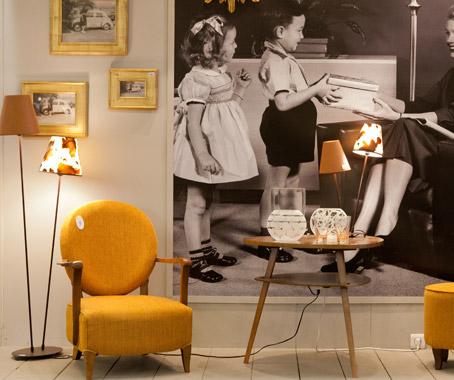
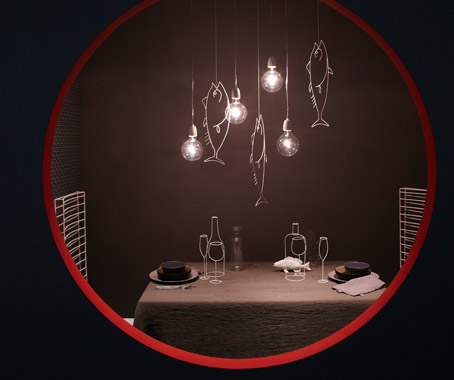
Maison & Objet is not a furniture show, or a lighting show, or a textile show. It’s a very open show about the art of living. People used to say, ‘I want a furniture show, a lighting show.’ Today, they say, ‘I want an ambience.’ At the booths, they create an ambience more than they sell a product.
How different will the Asian version of Maison & Objet be from the one in Paris?
It would carry the same spirit as Maison & Objet Paris but the selection of exhibitors and products are done from the point of view of what is good for the Asian market. When you go to Europe, it’s not so easy finding what is good for the Asian market out of 3,000 exhibitors. We provide a small resume of what you can find in Paris, but devoted directly to the Asian market.
What is the expected exhibitor mix?
There would be at least 200 companies, with maybe 20% of the companies coming from Asia. For a young designer from Singapore or Bangkok to be beside a brand like Baccarat, it would be good. The big brands also would love the idea! Look at Hermès launching a new Chinese company (Shang Xia). It belongs to Hermès, but it’s Chinese!
But the selection [for the show] is important. We know whom we can bring into the show from Asia and we know that these guys won’t be rejected by the high-end European brands. It’s about the quality.
Maison & Objet
maison-objet.com
INDESIGN is on instagram
Follow @indesignlive
A searchable and comprehensive guide for specifying leading products and their suppliers
Keep up to date with the latest and greatest from our industry BFF's!
The internet never sleeps! Here's the stuff you might have missed