The home of architecture and design in the Asia-Pacific
Get the latest design news direct to your inbox!

Get the latest design news direct to your inbox!
One of the most important weeks on the design calendar prior to Milan, Maison & Objet showcases the coming trends for 2013. Mandi Keighran reports
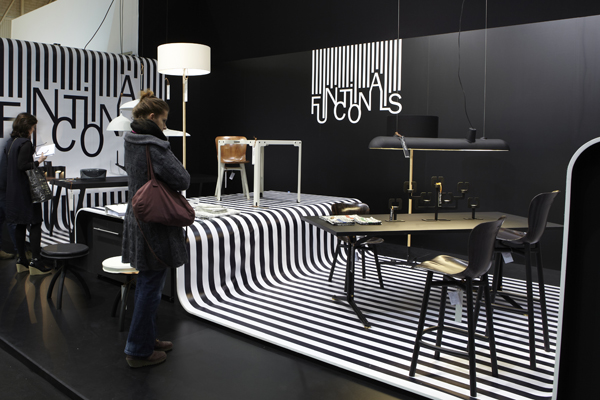
January 30th, 2013
The January edition of Maison & Objet took place this year from the 18 to 22 January in the labyrinthine Paris Nord Villepinte. While there were eight halls to peruse – including halls dedicated to home textiles and tableware – NOW! Design à Vivre in Hall 8 was where most of the key exhibitors were located.
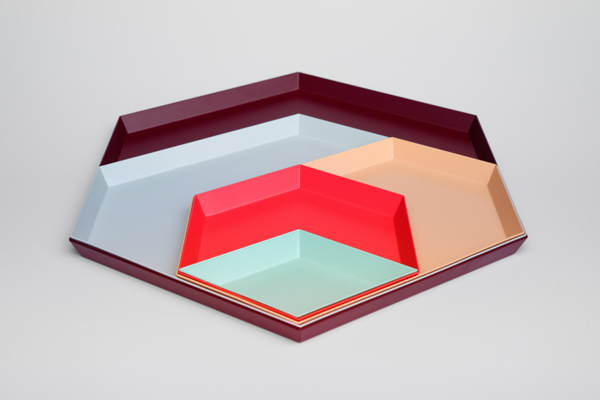
Hay, Denmark
Colour and pattern were key trends throughout the fair. Danish design brand HAY were leading the way with a host of colourful accessories – including glassware and stationary – in various pastel and muted shades. Italian brand, EMU, launched some familiar products – ‘Snooze’ and ‘Bahama’ – in new colours.
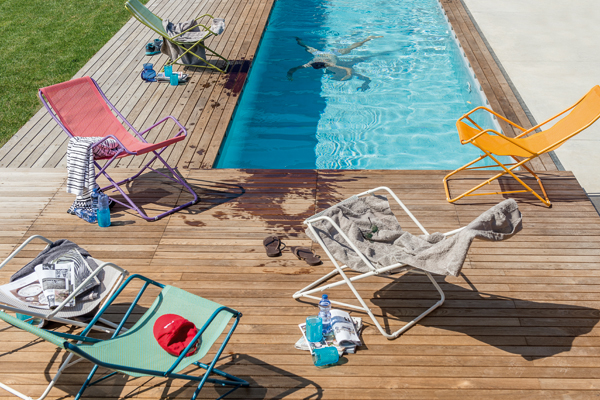
EMU, Italy
The highlight here was an emerald green (recently named Pantone’s 2013 Colour of the Year) teamed with teal. Artek extended their ‘abc collection’ of small objects, with the addition of the A55 fabric pattern designed in 1955 by Elisa Aalto. The Finnish company also launched a new a new stationary collection, with a design centred on text as a graphic element, by German design studio Griege.
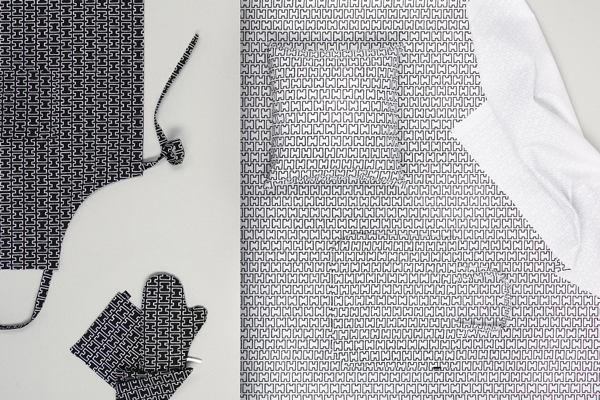
Artek, Finland
Like Artek, many exhibitors at Maison & Objet were launching small homewares and stationary products rather than large furniture pieces. HAY again teamed up with Dutch designers, Scholten & Baijings, launching a new collection of glassware and binders. 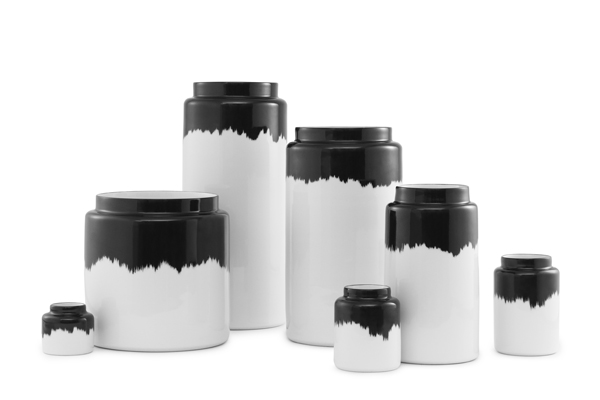
Norman Copenhagen, Denmark
Normann Copenhagen added a number of new piecesto their already extensive collection of homewares – stand-outs included the hand-painted ‘Agnes’ vases, a collection of tea blends, and the ‘Plus’ and ‘Cube’ bed sheets.
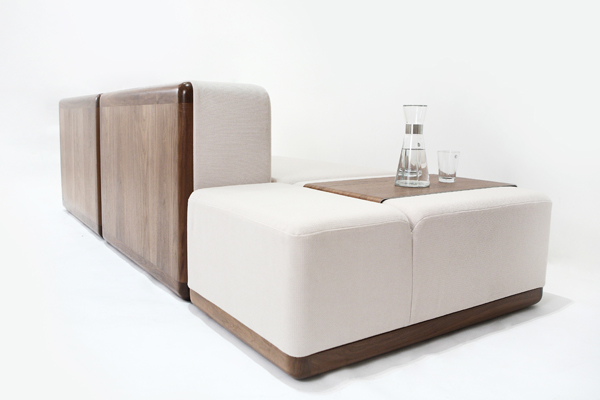
Foundry, Singapore
The Asia Pacific region had a good presence at the fair, with Singaporean design brand, Foundry, exhibiting for the first time, and new initiative Japan Handmade. In addition, Singaporean designer, Nathan Yong, and Singaporean/Spanish duo, Outofstock, both launched products with Ligne Roset. Outofstock’s ‘Vanity Shelf’ was an artful balance of functions (mirror and storage shelf) and materials (leather and steel), resulting in a crafted appearance.
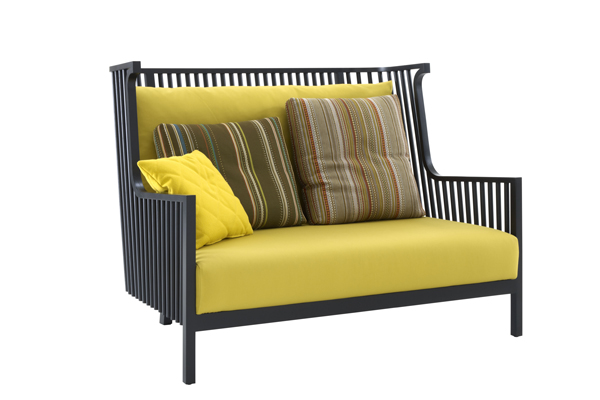
Nathan Yong for Ligne Roset
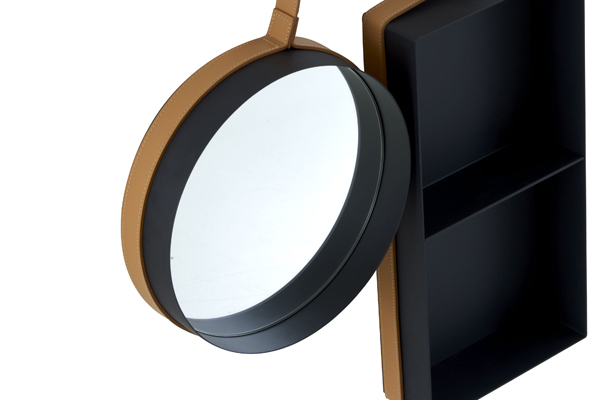
OutofStock for Ligne Roset
This exploration of the relationship between crafted and mass-produced elements was one present throughout the fair. Danish home accessories brand, Menu, launched a family of four vessels by British designer, Benjamin Hubert, in which the pairing of terracotta forms with silicone lids was a clever exploration of material and process.
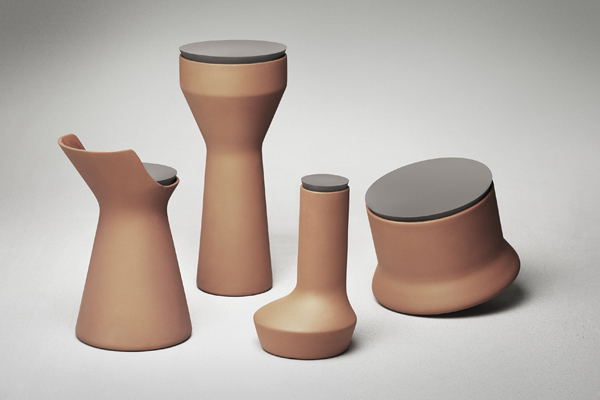
Menu, Denmark
New Italian brand, Discipline, also launched products with a nod to craft. ‘Drifted’, by Lars Beller Fjetland, is a range of stools that pairs a natural cork seat with a light oak frame. ‘Last Stool’ by Max Lamb is a colourful and stackable metal stool made in one piece. Based on the strength of their new products, Discipline is certainly a brand to watch.
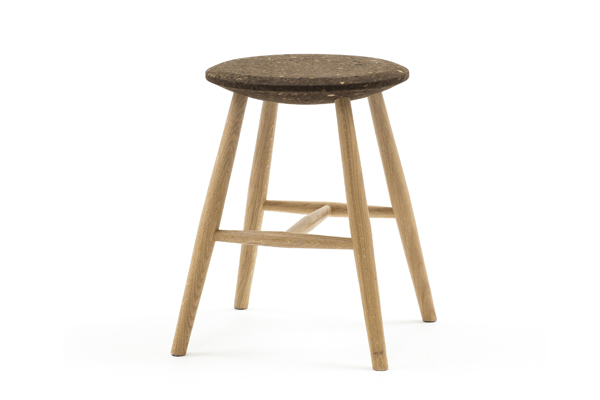
Discipline, Italy
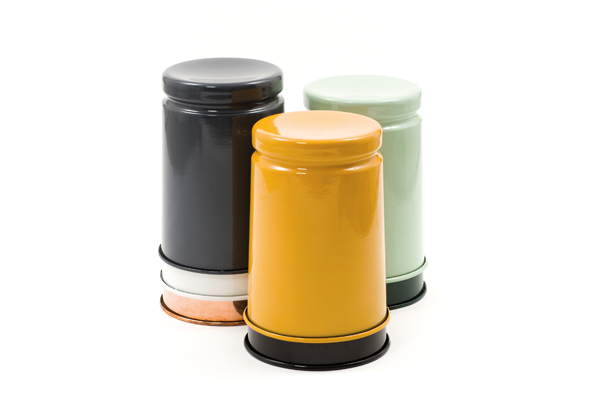
Discipline, Italy
At GAN, ‘Canevas’ by Charlotte Lancelote – a series that references the art of cross stitching – was shown beside a new collection of knitted rugs, sofas, poufs and cushions by Patricia Urquiola.
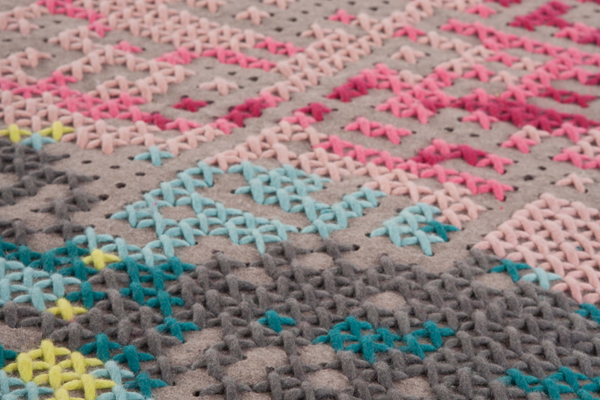
Lancelote for GAN, Spain
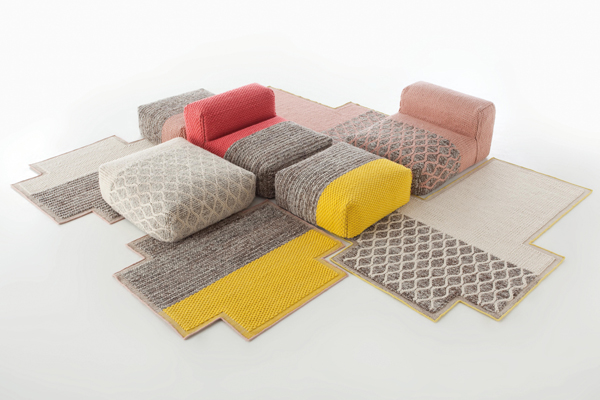
Urquiola for GAN, Spain
At the Søren Rose Studio stand, there were live demonstrations of the leather tooling techniques employed by the studio, with staff making key rings to give away to visitors. The studio launched new additions to their Park Avenue collection, which marries Scandinavian traditions with a contemporary New York aesthetic.
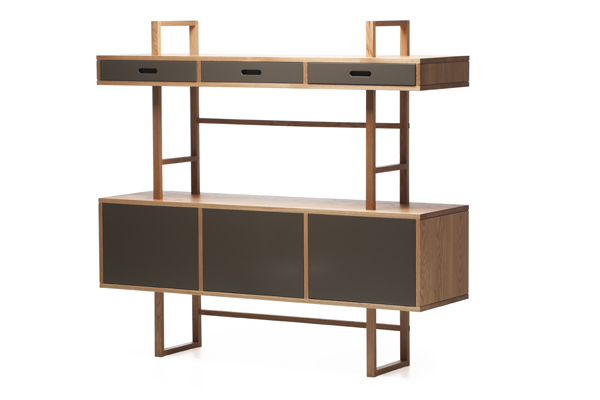
Søren Rose, Denmark
The 2013 NOW! Design à Vivre Designers of the Year were British duo Barber Osgerby. Not only a title, the organisers give the Maison & Objet Designers of the Year a space in the main hall in which to showcase their work. Barber Osgerby created an understated yet evocative installation. Products such as the Vitra ‘Tip Ton’ chair and ‘Tab’ lamp were displayed en mass with the duo’s more bespoke pieces sitting singularly amongst them, creating an interesting and intelligent interplay between craft and mass production.
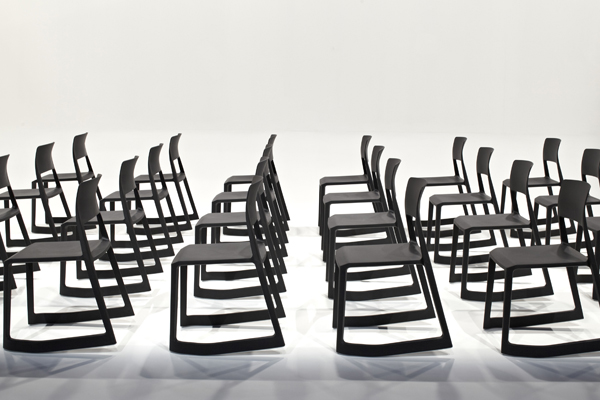
Barber Osgerby, UK
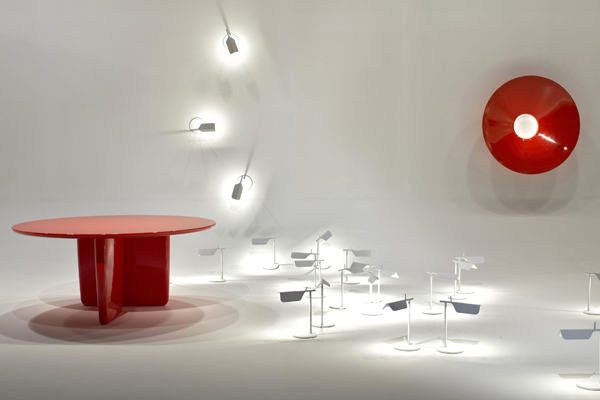
Barber Osgerby, UK
Designer of the Year was Odile Decq, and the Scènes D’Intérieur Designer of the Year was awarded to Joseph Dirand.
While Maison & Objet is the source of new products and trends, it is equally a space in which business is conducted. Feedback from many of the exhibitors – particularly in Hall 8 – was that orders were being taken and deals were being done. It won’t be long before the next edition of Maison & Objet is upon us, being one of the only design trade events to hold more than one event annually. Based on the January edition, the October event has much to live up to.
Maison & Objet
INDESIGN is on instagram
Follow @indesignlive
A searchable and comprehensive guide for specifying leading products and their suppliers
Keep up to date with the latest and greatest from our industry BFF's!
The internet never sleeps! Here's the stuff you might have missed