An iconic narrow site in Sydney’s CBD has become home to chef Jamie Oliver’s flagship Australian restaurant.
November 23rd, 2011
Formerly a live music venue, this narrow industrial space on Sydney’s Pitt Street has been transformed into the latest in Jamie Oliver’s ’Jamie’s Italian’ restaurant chain – the second venue outside of the UK.
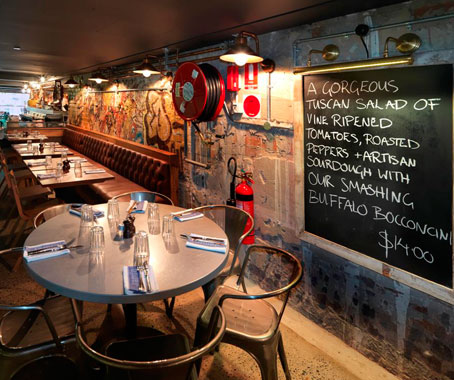
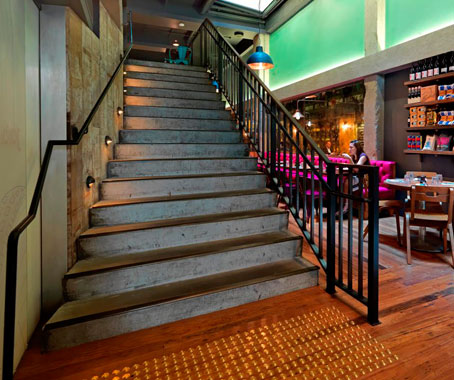
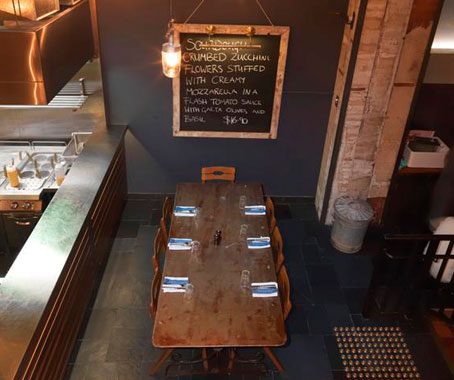
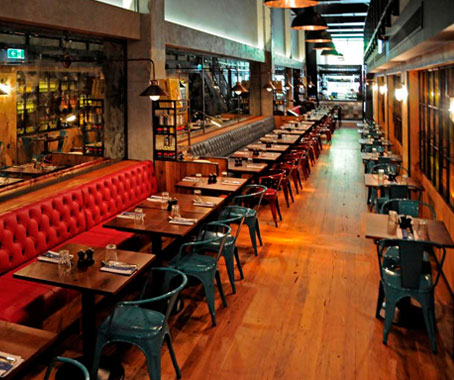
The interior design team from peckvonhartel used the width of the space to their advantage, taking inspiration from laneway culture. Natural materials, earthy tiles and brightly coloured leathers feature alongside blackened steel and burnished coppers.
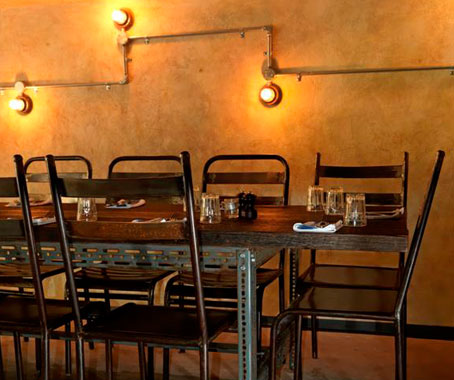
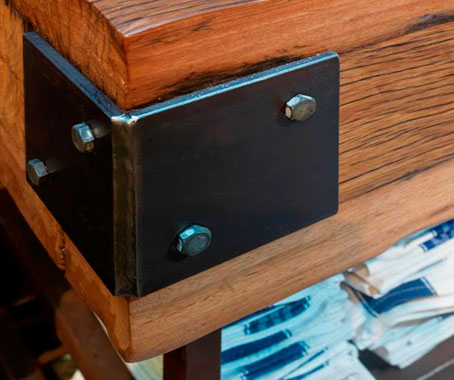
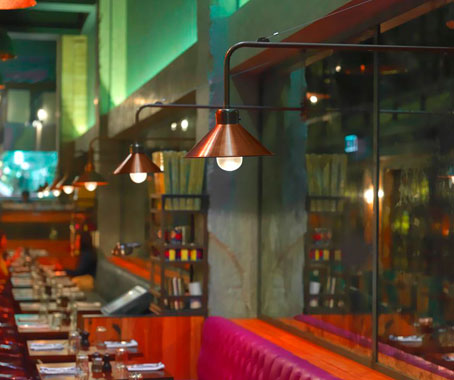
Much of the furniture was sourced from local salvage yards, giving the space an eclectic, mix-and-matched feel.
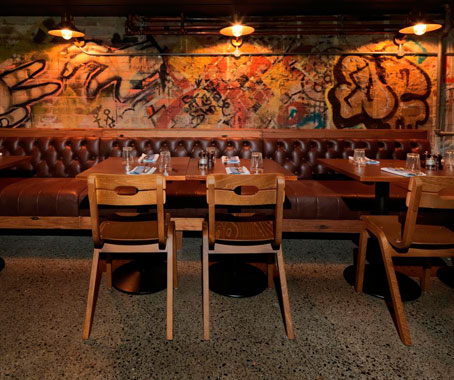
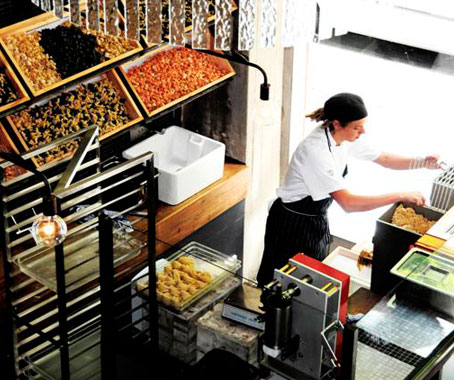
A pasta preparation station greets visitors on entry to the restaurant, with Oliver’s ubiquitous pasta machine on full display.
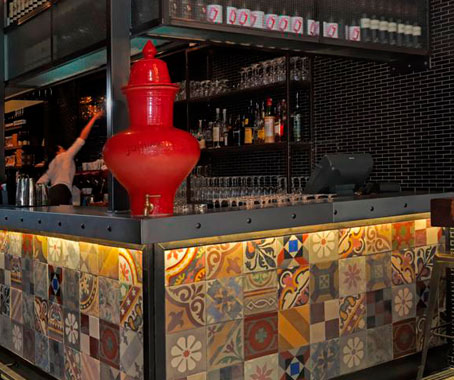
The adjacent bar features tiles sourced from around the world. A giant tiered chandelier, weighing 150kg and visible from the street, hangs overhead.
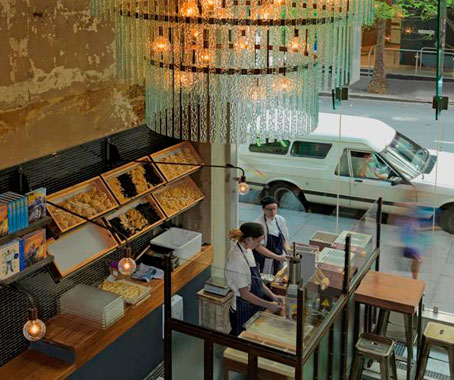
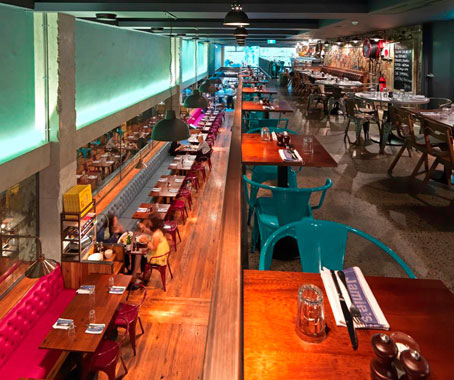
The kitchen design is in keeping with the Jamie’s Italian formula. A laneway dining area links the kitchen and bar, a fuchsia and sage green leather banquette providing a stark contrast to the accompanying timber tables.
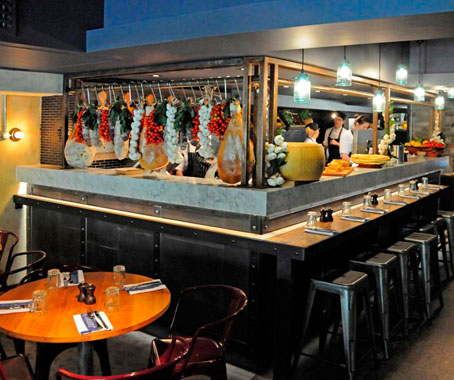
On the mezzanine level is an antipasto bar allowing diners to watch chefs slice and prepare their food.
Photography: Ken Martin
Jamie’s Italian opened its doors on October 2011, with further venues set to open around Australia in the near future.
peckvonhartel
pvh.com.au
INDESIGN is on instagram
Follow @indesignlive
A searchable and comprehensive guide for specifying leading products and their suppliers
Keep up to date with the latest and greatest from our industry BFF's!
In the last instalment of our three-part performance seating series, Alex Bain from Architectus explains why sitting well shouldn’t feel like sitting at all and explores an unexpected success metric of the hybrid workplace: the grounding power of emotional support.
In the second instalment of our performance seating three-parter, we turn to DKO’s Michael Drescher and Jacob Olsen to peek behind Sayl’s confident architectural form and explore the ideas of inclusivity, adaptability and freedom to move as hallmarks of what sitting your best actually means.
Stepping into Intuit’s Sydney workplace certainly doesn’t feel like walking into an office. Why? In this film, we discover that, when joy takes precedence as a design driver, even a high-performing commercial CBD headquarters can feel like an intuitive wonderland that invites employees to choose their own adventure.
Natural stone shapes the interiors of Billyard Avenue, a luxury apartment development in Sydney’s Elizabeth Bay designed by architecture and design practice SJB. Here, a curated selection of stone from Anterior XL sets the backdrop for the project’s material language.
For this exclusive Indesign Edit, we invited eight of our most valued industry colleagues – and design heroes – to join us at the Farage concept store, where we captured them in their element.
What can Australian build-to-rent (BTR) developers learn from the experienced UK market and how can these lessons be applied locally? Frank Filskow shares valuable insights from Make’s work and research in the UK and Australia.
The internet never sleeps! Here's the stuff you might have missed
FK hosted a standout Melbourne Design Week event with a panel on adaptive reuse and renewable real estate at 500 Bourke, featuring previous contributor Nicky Drobis and our editor as moderator.
Melbourne-based architect and object maker Adam Markowitz blurs the line between design and craft, bringing a deeply considered, material-led approach to his work. As both a practising architect and furniture designer, Markowitz explores how objects can respond to space, light and human use.